This guide details a straightforward process to create plastic milk, enriching kids' understanding of science through hands-on learning.
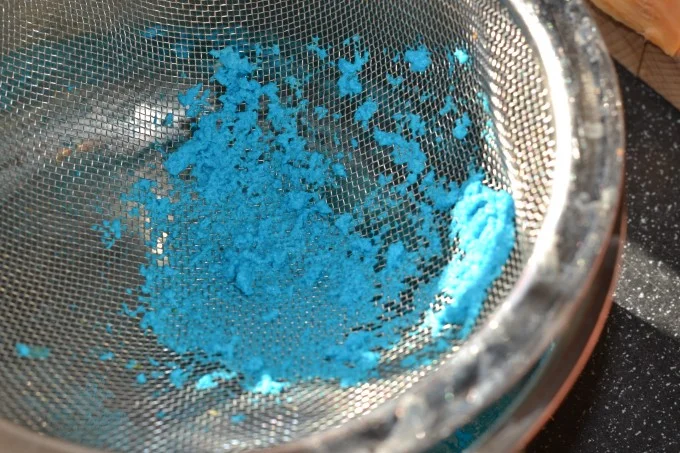
Making plastic milk offers a unique opportunity for sensory exploration while also teaching fundamental scientific principles. Revisiting the experiment with added food coloring enhances the visual experience and engages young learners even more. This simple yet effective activity showcases how science can be both fascinating and fun, particularly for children who may benefit from hands-on learning experiences.
Materials Required
- Semi-skimmed milk
- White vinegar
- Food coloring
- A sieve
- Cookie cutter
Steps to Make Plastic Milk
- Begin by heating a cup of semi-skimmed milk in a pan. If desired, add food coloring and heat until bubbles form. Always ensure an adult is present to assist with the stove.
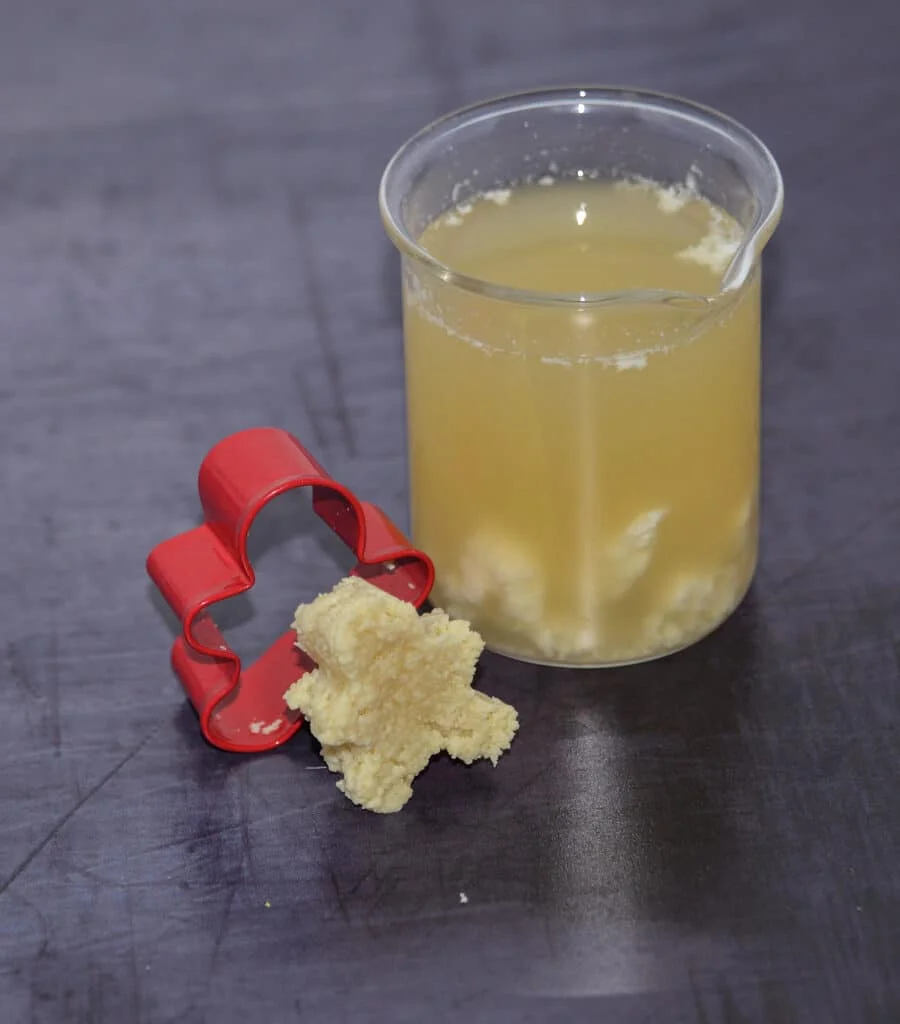
- Introduce a tablespoon of white vinegar to the heated milk and observe as it curdles, separating into solid and liquid components.
- Utilize the sieve to filter out the solids from the liquid.
- Allow the curds to cool, then mold them into desired shapes using cookie cutters.

The Science Behind Curdling
Milk is composed of proteins and fats suspended in water. Fresh milk has proteins that can move freely, but when the pH decreases, these proteins bind together, forming curds. The liquid left over is known as whey. This curdling process occurs when milk spoils, as casein proteins, normally dissolved, form lumps when interacting with vinegar, allowing for malleable shapes. This interaction between vinegar and milk can teach children about the concept of acidity and its effect on proteins, linking chemistry to tangible results.
Engaging in this experiment can lead to a deeper understanding of chemical reactions and physical properties of materials, making it a great addition to any educational curriculum. The visual transformation from liquid to solid provides a concrete example of abstract scientific concepts, fostering curiosity and inquiry in young minds. In an age where many school curriculums struggle to captivate students' interests, this hands-on approach offers an effective alternative.
Explore Further Science Experiments
Investigate emulsions with a colorful magic milk display! You can also learn how to create glue from milk. These projects complement the plastic milk experiment nicely and broaden the scope of chemical experimentation at home. The variety of activities available not only reinforces the principles learned but also keeps the educational experience fresh and engaging, turning everyday items into fun learning tools.
The post Creating Plastic Milk originally appeared on Science Experiments for Kids.
Implications for Educational Practices
This experiment is more significant than it looks. As educators aim to incorporate hands-on learning into their curricula, such activities can bridge the gap between theoretical knowledge and practical understanding. The interaction encouraged in this activity promotes critical thinking skills. Children are not just passive recipients of information; they’re actively engaged in the learning process.
If you're working in this space, consider how sensory experiences can enhance learning. The incorporation of visual elements, like food coloring, captures attention while teaching fundamental science. This points to broader trends in education where experiential learning is favored over rote memorization. School districts are always looking for methods that boost engagement and retention, making plastic milk an example worth highlighting.
What this means for you is that these kinds of experiments can empower you as an educator or a parent. Stringing together a series of simple experiments can create a comprehensive learning path. And while making plastic milk might seem like just a fun craft, it reinforces essential science concepts that resonate well beyond the classroom. The outcome is a more enriched educational experience for young learners, sparking a lifelong interest in science and exploration. This trend toward interactive learning isn’t just a fleeting phase—it's likely to reshape our educational systems for years to come.
Discussion
Sign in to join the discussion.