Explore the fascinating science of jelly setting, focusing on the role of collagen and gelatin in this classic culinary transformation.
Jelly's transformation from liquid to solid provides an excellent lesson in the nuances of states of matter. Initially dissolving in hot water, jelly then sets as it cools down, showcasing a fascinating physical property that resonates well beyond childhood snacks. The process gives us a snapshot of broader scientific principles at play, making it an engaging study for all ages.
What Causes Jelly to Set?
The secret ingredient is a protein known as collagen. This protein consists of three intertwined fiber strands that create a network essential in the gel formation process. Commonly derived from animal bones and skin, collagen is more than just a supporting structure in our bodies — it's a pivotal player in culinary transformations.
In the preparation of jelly, gelatin is utilized, a natural polymer from collagen. When gelatin is heated and mixed with water, the protein fibers unwind, allowing for interaction with water molecules. As the mixture cools, these fibers re-coil. This re-coiling process is critical, as it traps water within the network of gelatin strands, thus resulting in the jelly's solid state. The science behind this is a dance of thermodynamics that illustrates how temperature affects molecular behavior—a concept with implications in diverse fields, from cooking to pharmaceuticals.
In our recent experimentation, we visually observed jelly melting when hot water was introduced, which allowed us to discuss not just the thermal breakdown of bonds but also the structural qualities of materials. Temperature changes often dictate physical transformations, and jelly allows for a tangible representation of these processes, bringing a complex concept to life in an accessible manner.
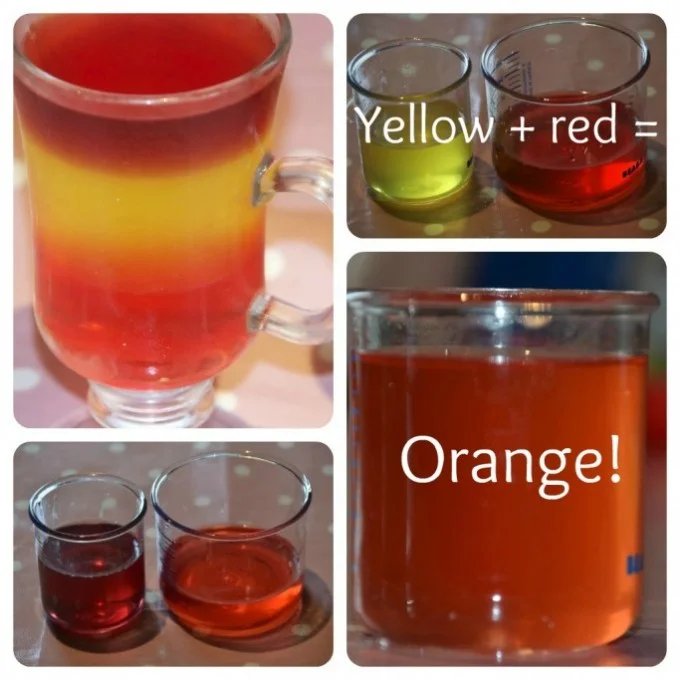
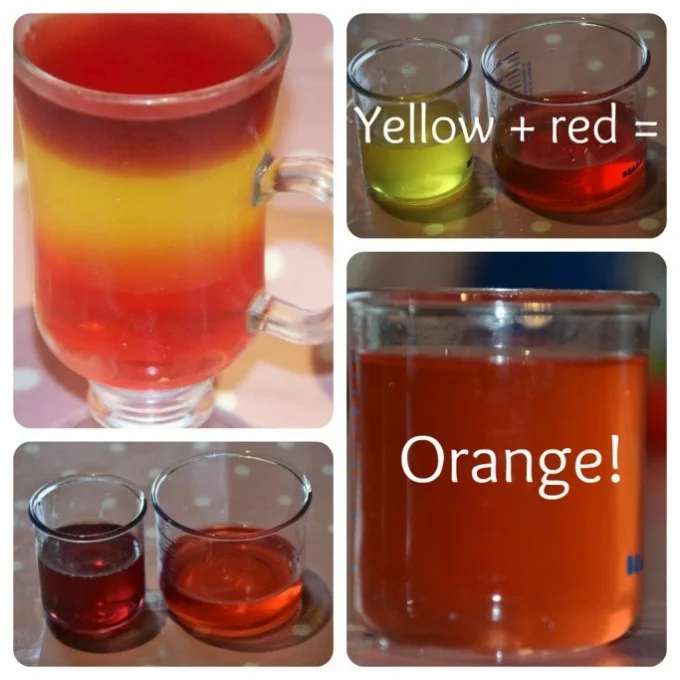
We didn't stop there; blending colors of jelly served as an interactive method for grasping primary and secondary colors. Mixing jellies sparked conversations about color theory, emphasizing how such fundamental concepts in art and physics align and interact. It’s this confluence of science and creativity that can inspire a deeper understanding.
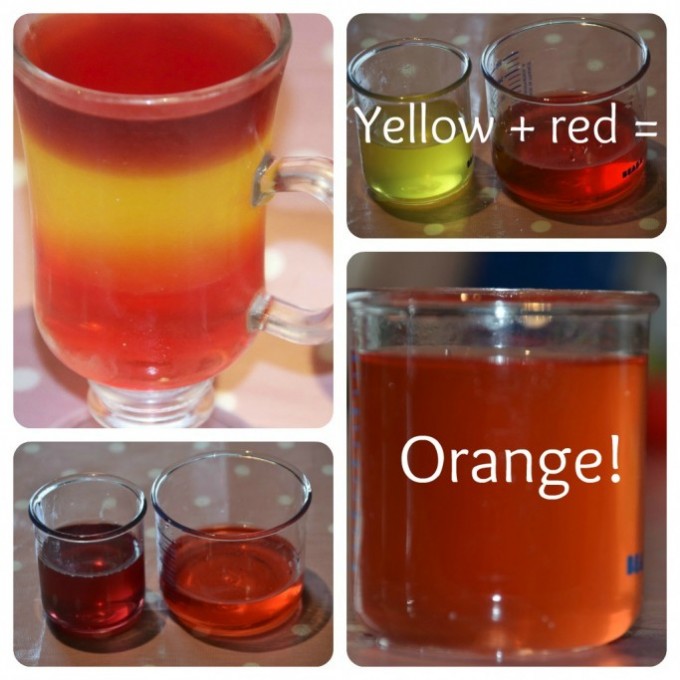
To create a stunning multicolored layered jelly, patience is your ally. Each layer must fully set before the next is introduced, teaching an important lesson about time and processes, not just in cooking but also in project management and personal endeavors. The careful timing reflects the need for strategy—and often trial and error—to achieve the best results in any multi-step process.
Did you know that fresh pineapple can prevent jelly from setting? This interesting fact showcases the interaction between enzymes and gelatin, specifically bromelain, found in pineapple. The same principle applies to other fruits like kiwis and papayas. Understanding these influences expands our insight into food chemistry, and plays a significant role in various culinary techniques. What new colors could you dream up with jellies? The only limit is your imagination.
Ideal for KS1 – Understanding Changes of State
The practical aspects of these activities are ideal for Key Stage 1 students. They provide a primer on scientific processes, touching on chemistry, biology, and even art, accommodating various learning styles. Furthermore, they cultivate curiosity—an essential trait in scientific inquiry.
If you want to explore more, check out my other kitchen science experiments. They're designed to engage young minds while embedding them in the wonders of scientific exploration.
The post Understanding the Science Behind How Jelly Sets appeared first on Science Experiments for Kids.
Implications and Future Outlook
This exploration serves as more than a means to satisfy sweet cravings. It illustrates how seemingly simple processes can unfold layers of complexity. Science education needs hands-on experiences like this to foster innovation and curiosity. If you're working in this space, consider the impacts on curriculum development. Examining such experiments provides insight into how foundational concepts are understood and retained. Engaging with science should involve wonderment—after all, the transformation of jelly is just the tip of the iceberg.
The fascination of jelly's transformation underscores the importance of experiential learning. As educators incorporate such demonstrations, students develop a more nuanced understanding of scientific phenomena. In a world where STEM skills are increasingly prioritized, integrating something as ordinary as jelly into the learning equation could inspire the next generation of scientists. The future of education could benefit tremendously from adopting more such playful, tactile, and visually stimulating approaches.
Discussion
Sign in to join the discussion.