Discover the scientific principles that influence pancake texture and taste, and how simple ingredient adjustments can create delicious variations.
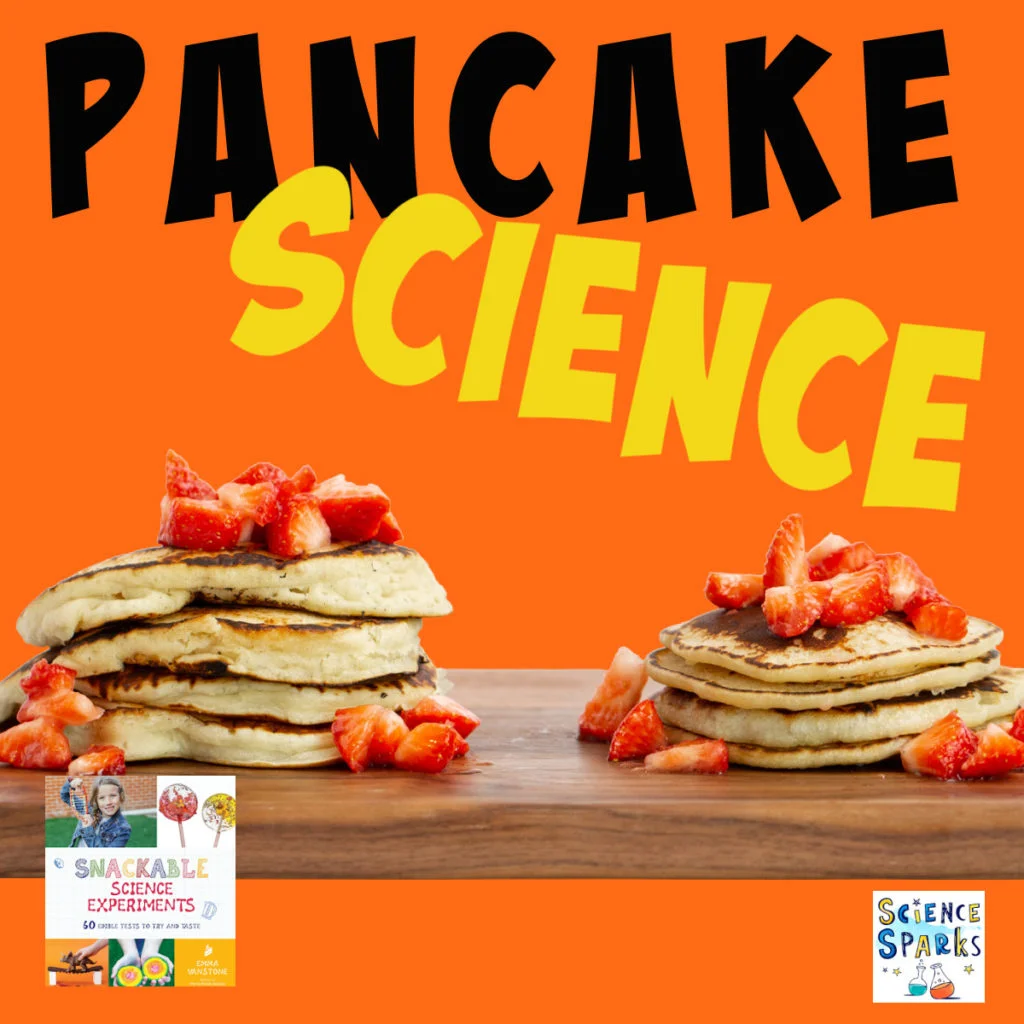
Cooking pancakes isn't just about satisfying your taste buds; it’s an opportunity to explore fundamental scientific principles right in your kitchen. Pancakes serve as a fascinating case study of how ingredient variations can dramatically alter the final outcome. Beyond the pleasure of a delicious breakfast, the process reveals the chemistry of cooking. How many times have you flipped a pancake, only to find its texture or volume didn’t match your expectations? Understanding the science behind these culinary creations can significantly enhance your cooking skills and overall experience.
To achieve your ideal pancake, mastering the right ingredient mix is essential. It's not just about following a recipe; it’s about grasping how each component interacts. For those who prefer fluffy pancakes, introducing baking powder is non-negotiable as it produces air bubbles that expand during cooking. On the other hand, if you lean towards thinner crepes, omitting the baking powder is the way to go. Small tweaks in ingredients can lead to vastly different results, and that’s where the magic of cooking really comes into play.
Pancake Science Experiment
Ingredients Required
The following recipe forms the basis of your pancake batter, although feel free to modify it according to your preferences:
- 2 eggs
- 300ml milk
- 100g plain flour
- Baking powder (optional)
- 1 tablespoon sunflower oil or melted butter
- Whisked egg whites
Preparation Instructions
Begin by sifting the flour, followed by whisking in the egg along with a splash of milk. Next, integrate your oil or melted butter, and gradually add the remainder of the milk. Set aside the whisked egg whites for later incorporation. As you mix, think about how each ingredient contributes to the final product's texture and flavor. It’s during this phase that you set the groundwork for your pancake's success.
For our experiment, we manipulated the mixture while keeping a consistent foundational batter. Here’s what we focused on:
- Basic pancake mixture.
- Mixture with added baking powder.
- Mixture containing whisked egg whites.
- Blend of baking powder and whisked egg whites.
Understanding the Effects of Ingredients
What to Expect from Your Pancakes
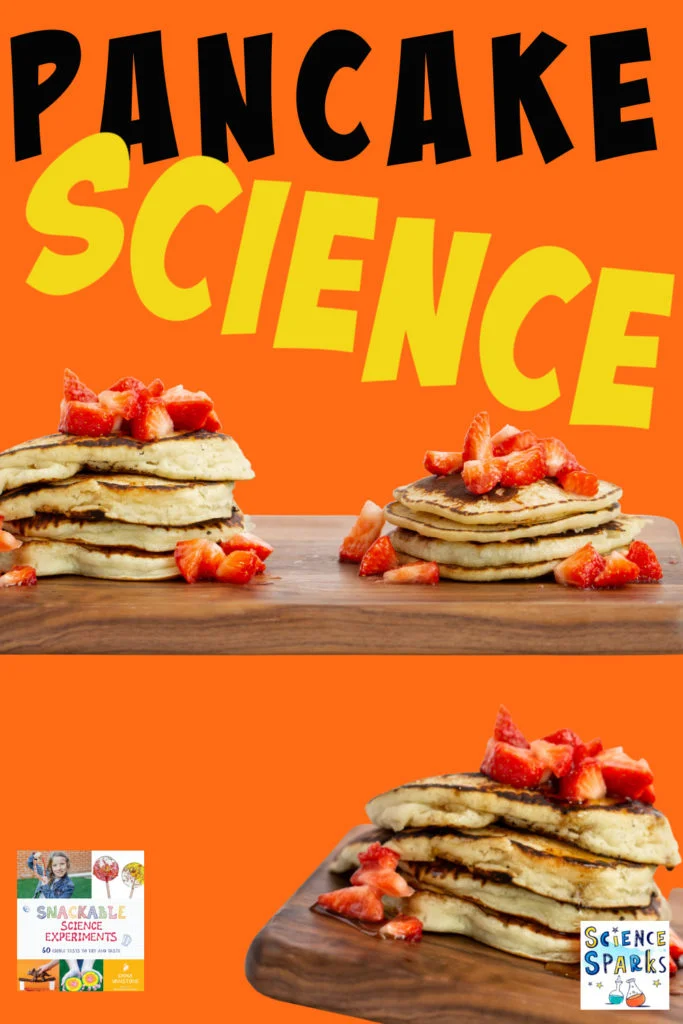
Incorporating baking powder and whisked egg whites introduces air into the mix, leading to a more voluminous pancake. This isn’t just a subjective preference; it’s a direct result of scientific reactions occurring in the batter. Naturally, we anticipate that the simplest mixture will yield the smallest pancakes, while the combination of baking powder and egg whites should create the largest. If you’re curious, try making each variation consecutively to see—and taste—the differences for yourself.
The Science Behind Leavening
Baking powder operates as a leavening agent, releasing carbon dioxide gas when mixed with moisture. This reaction allows the batter to rise as it cooks, leading to a lighter and airier pancake. If skipped, your pancake will be much denser and less satisfying. This basic principle of chemistry isn't unique to pancakes, but it’s essential for understanding many baking processes. Moreover, when egg whites are whisked, they incorporate air, adding even more volume. The combined interactions of these ingredients give rise to familiar textures we associate with pancakes.
Additional Flavor Enhancements
Interesting note: adding citric acid, often found in lemon juice, can enhance flavor by stimulating taste buds. You might not think of chemistry when you decide to squeeze lemon on pancakes, but this acidity creates a balance that can elevate your dish. Experimenting with these elements can transform your pancake experience. You might find that such additions don’t just improve flavor, but they can also affect texture in surprising ways.
Further Pancake Science Exploration
If you're intrigued by the science of pancakes, you might enjoy discovering the best syrup for your creations through a syrup viscosity race! It’s a delightful way to gauge how different syrups interact with pancakes, and it adds another layer of experimentation to your culinary pursuits. Who knew breakfast could turn into a full-fledged science class?
Implications and Future Outlook
The insights gleaned from pancake science extend beyond just the breakfast table. Understanding how ingredients interact can lead to better cooking outcomes in various contexts, from casual meals to professional kitchens. The mechanism of leavening, for example, is foundational not only for pancakes but also for a myriad of baked goods. If you're working in this space, whether it be culinary arts or food science, grasping these concepts can be vital for refining techniques and experimenting with new recipes.
This exploration also encourages a wider appreciation for the art and science of cooking among home chefs. Many people think of cooking as merely a set of instructions to follow, but embracing the underlying scientific principles can transform that experience. Cooking becomes less of a chore and more of an exciting opportunity for discovery.
Discussion
Sign in to join the discussion.