Ultra-processed foods are widely consumed but often lack nutritional value. Knowing their characteristics can help consumers make healthier choices.
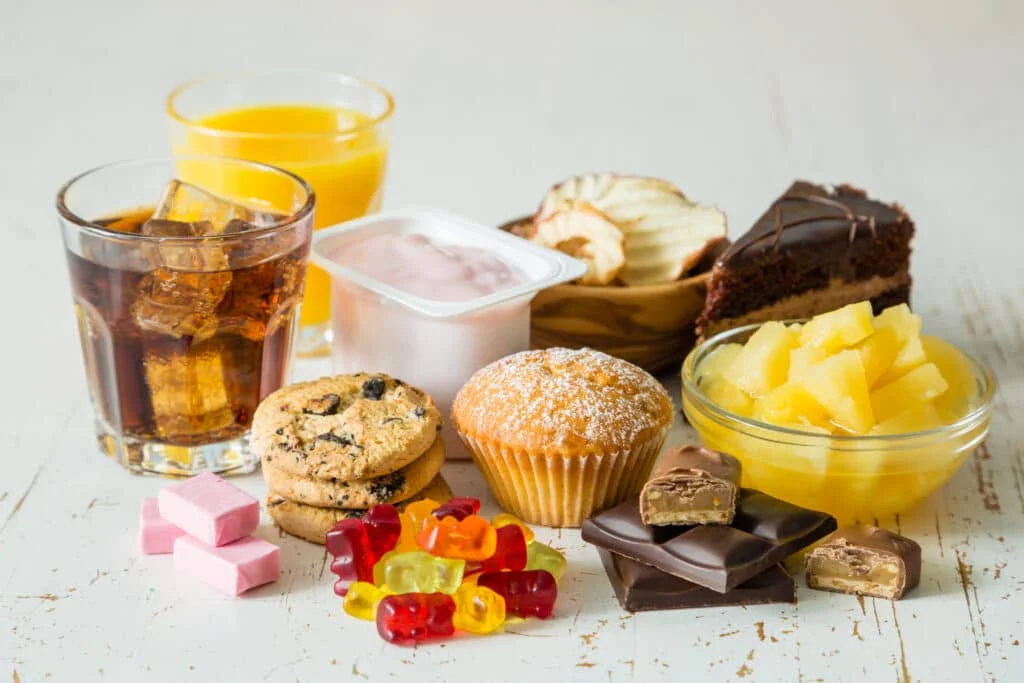
Ultra-processed foods are products that undergo significant processing before they reach grocery stores. They're typically packed with a variety of additives including preservatives, sweeteners, colorings, and emulsifiers. The more altered a food is from its natural state, the greater the likelihood it falls into the ultra-processed category. This processing tends to strip away nutrients while emphasizing flavors and shelf stability, resulting in products that appeal to consumers but may carry hidden health risks.
These foods generally exhibit poor nutritional quality, with elevated levels of sugar, salt, and unhealthy fats. While they boast a pleasant taste and extended shelf life, reliance on these items can lead to health concerns if consumed in excess. The irony here is that while ultra-processed foods can seem convenient and desirable, their long-term impact on health is increasingly under scrutiny. Research links high consumption of these foods to a range of health issues including obesity, diabetes, and cardiovascular disease. It begs the question: Is the convenience worth the cost to our health?
Identifying Ultra-Processed Foods
Avoiding ultra-processed foods entirely is challenging, given their prevalence. In the modern grocery store, one could easily find an aisle stocked entirely with such products. However, some variants are certainly better than others. For instance, a loaf of wholegrain bread offers more nutritional benefits than a sugary fizzy drink. The focus should be on maintaining a balanced diet rich in fruits, vegetables, lean proteins, nuts, and seeds. Importantly, being mindful of what types of processed options you choose may contribute significantly to long-term health.
Common Examples
Typical ultra-processed foods include:
- Pre-packaged meals
- Ice cream
- Fast food
- Processed meats, such as sausages and hot dogs
- Certain breakfast cereals
- Chips and cookies
- Sugary beverages
Understanding the variety of ultra-processed foods reveals how embedded they are in our daily lives. Think about it: convenience often trumps quality for many consumers. Most people reach for a bag of chips or a sugary drink without considering the long-term consequences. The cultural acceptance of these foods as staples in everyday diets raises alarms among health advocates. Are we unknowingly fostering a dependence on products that provide little nourishment?
Unprocessed versus Processed Foods
In contrast, unprocessed foods encompass fruits, vegetables, milk, eggs, and meats that contain no additives. Meanwhile, processed foods might include items like jam, homemade bread, cheese, and canned fruit that could feasibly be prepared in a home kitchen. This distinction is vital since the term "processed" doesn't inherently equate to "bad." For instance, simple acts of preserving or fermenting foods can enhance flavor and nutritional value, rather than detract from it. It's a subtle yet important distinction for those looking to improve their diets.
Recognizing Ultra-Processed Foods
To determine if a food is ultra-processed, examine its ingredient list. These products often contain lengthy ingredient labels with many additives that would be difficult to replicate at home. Watch for highly refined components such as oils, flours, and sugars. When you see a long list of unrecognizable ingredients, that's often a red flag. And if you're feeling adventurous, try to make one or two favorite items from scratch. You may be surprised at how easily you can recreate something similar with whole ingredients.
Another indicator is nutritional content; ultra-processed options typically feature high amounts of sugar, salt, and unhealthy fats. The absence of essential nutrients often leads consumers to seek out supplementation, which could indicate that something fundamental is missing from a product's formulation. It raises a red flag on the balance between health and enjoyment in our food choices.
For Further Exploration
Consider sampling a variety of foods and researching their ingredients online. One activity could involve comparing ultra-processed and minimally processed choices, such as five types each of different food categories. This exercise can not only broaden your dietary knowledge but also sharpen your ability to identify better food options in the supermarket.
To understand deeper connections, explore how ultra-processed foods can impact brain health in this BBC article. It's fascinating how our food choices extend beyond our physical health to mental well-being, reinforcing the idea that what we eat is foundational to how we think and feel.
For visual learners, check out The Science Behind Food That Isn't Food. This resource can provide not only insight but also a clearer understanding of the implications surrounding ultra-processed foods.
Implications and Significance
The surge in ultra-processed food consumption isn't just a trend but a cultural phenomenon with roots in convenience and marketing. If you're working in this space, whether as a healthcare professional, educator, or marketer, understanding these foods' implications can inform strategies for healthier lifestyle promotion. You might encounter resistance, since these products are often heavily marketed and readily available. But awareness and education can compel consumers to reconsider their choices. This won't be an overnight change, but small shifts in consumer behavior could yield significant public health benefits in the long run.
Ultimately, navigating the world of food requires more than just an understanding of what's on your plate. It demands a critical eye toward the systems at play that push us towards ultra-processed options. How can we inspire healthier eating habits while acknowledging the challenges? The significance of understanding ultra-processed foods lies not just in recognizing them but in confronting their pervasive presence in our daily lives. What this means for you is a chance to make informed decisions that could impact not just your health but also the health of future generations.
Discussion
Sign in to join the discussion.