Explore interactive ways to teach kids about food groups through fun activities and taste tests, fostering a positive attitude toward nutrition.
Understanding food groups is not just an academic exercise for children; it’s an engaging path to nutritional literacy that empowers young minds. Learning about food doesn’t have to be tedious and can transform into a delightful experience. You'll find that integrating taste-testing within the learning journey makes for a memorable lesson that sticks. This isn't just about knowledge—it's about sparking interest.
Introducing Food Groups
To set the foundation, start with the basics: children need to grasp the concept of the five primary food groups. This foundational knowledge serves as a building block for more advanced nutritional understanding in later years. To make this learning experience interactive, consider hands-on tools like an old plate. You can create visual partitions labeled with the names of each food group. It’s a simple method that retains attention and inspires curiosity.
Enhance the experience using a whiteboard pen to sketch out sections for categorizing different foods. A tactile approach means kids can associate the names of food groups with actual items they encounter. Then, cut out pictures of various foods and let your child fill in the designated areas. The vibrant visuals aren’t just appealing; they make the educational content more relatable and easier to remember.
You can also take learning outside the home. Invite your child to help plan a shopping trip focused on discovering new foods. Ask them which foods they’d like to explore. This step not only makes the topic personal but also cultivates decision-making skills. You'll find that children are often more engaged when they can influence what they are learning about.
Nutritional Insights for Older Kids
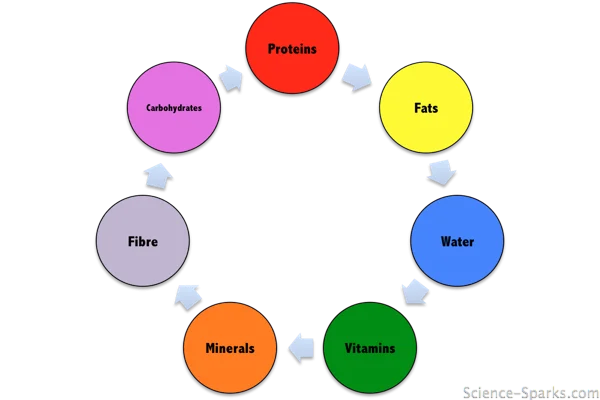
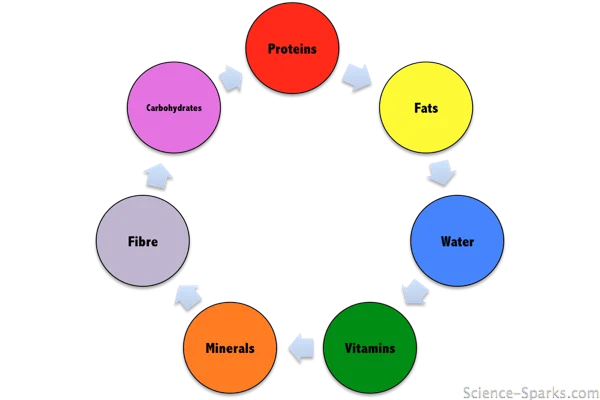
As children mature, their understanding of nutrition can evolve, and you can expand the discussion to encompass nutrient groups—about seven fundamental categories. Each of these plays a vital role in promoting health and wellness. Identifying these nutrients across a range of foods can demystify what children consume. Context is essential, and learning which foods provide which nutrients empowers kids to make informed choices.
For detailed nutritional information, you might consider offering a reference like this Food Groups Table. This resource succinctly categorizes the nutrients and can serve as a handy guide for discussions around foods. You'll find that a simple table can bridge the gap between curiosity and understanding.
Creative Food Group Activity
To bridge the gap between theory and practice, turn an empty muffin tin into a learning powerhouse. Fill each compartment with a different type of food, which not only makes the lesson interactive but also keeps kids excited. This physical engagement is critical; it breaks the traditional mold of learning. Add an element of creativity by making flags from cocktail sticks and paper, each labeled to represent its corresponding food group.
When you present each food, take the opportunity to delve into its unique characteristics. Discuss its texture—whether it’s rich, grainy, or smooth. Adding a tasting session turns the lesson into a sensory exploration. This approach keeps the learning dynamic and reinforces the relationship between taste and nutrition. You'll probably find that sensory memory is powerful, especially for children. They’ll remember which food belongs to which group with the taste lingering on their tongues.
For an added twist, print the food group table and turn it into a fun revision exercise for your kid. Learning about food groups should be enjoyable, and this activity will make the repetition of information less of a chore and more of a game. Creative revision techniques often boost retention rates, and the joy of learning will certainly shine through.
Implications and Future Outlook
This educational approach can lead to long-term benefits regarding how children perceive and interact with food. As they build a foundation in nutritional knowledge, they'll be better equipped to make healthier choices later in life. The significance of introducing these concepts early on cannot be overstated. If you're working in this space, consider how such lessons can also drive broader conversations about dietary habits in families.
The potential for these early lessons in nutrition is considerable. The possibilities don’t end with basic education; they can extend into discussions around sustainability, food sourcing, and cultural diversity in food. Imagine children not just knowing what food groups are, but understanding where their food comes from and the environmental impact of their choices. This layered approach weaves health education into the fabric of daily life, making nutrition a lifestyle choice rather than merely an academic subject.
Have fun with it,
Kerry
The post Food Groups appeared first on Science Experiments for Kids.
Discussion
Sign in to join the discussion.