Effective team-building fosters genuine connections among educators, enhancing communication and collaboration in the teaching environment.
Why Team-Building Matters for Educators
Crafting effective team-building activities for school staff is no easy feat. When you consider a diverse group of educators—some seasoned veterans and others new to the environment—finding the right games can feel daunting. You'll want activities that inspire immediate interaction, prompting conversations right from the get-go. The challenge is further compounded by the reality of teachers' hectic schedules; activities must deliver genuine value in the brief time available. The true power of effective team-building games lies in their ability to foster community and reinforce the message that collaboration leads to greater achievements. If you're navigating the complexities of professional development (PD) time, keep reading. We'll unpack key insights from seasoned educators who shed light on implementing these activities successfully.Insights from Educators
To dig deeper into this topic, we reached out to two veteran educators—Chrissy Beltram and Dr. Jo Lein—who shared their perspectives on the significance of team building and the types of activities that bring about the most benefit. Chrissy, an instructional coach and keynote speaker, has a wealth of experience as a former elementary school teacher. Dr. Jo, who has made a mark as a leadership development consultant and author of *Burn the Script*, brings her expertise as a former middle school teacher to the table. Their collective insights underscore a crucial takeaway: team-building is about more than just fun; it illuminates genuine connections among staff, enhances communication, and offers support in the everyday realities of teaching. “The quickest way to disengage adults,” Jo reminds us, “is through activities that appear forced and lack relevance.”Best Practices for Engaging Team-Building Activities
When the words “team-building” pop up on a staff agenda, they often elicit a collective sigh from educators. Already pressed for time, staff members are quick to judge whether an activity feels impactful or simply like yet another chore. Effective team-building doesn’t need to dazzle—what truly resonates are activities that spark authentic connections. They shouldn't add to the stress teachers already face; instead, they should serve as a means to alleviate it. Both Chrissy and Jo advocate for simplicity and relevance. They encourage steering clear of overly competitive or elaborate games that can lead to fatigue rather than connection. The goal isn’t just to have fun; it’s to cultivate an environment where teachers can discuss challenges, share solutions, and leave feeling more unified. Sometimes, a straightforward conversation starter can elicit better results than an elaborate competition. Here's a quick set of tips to optimize your team-building initiatives with staff:1. Value Their Time
To boost engagement, ensure activities are concise and purposeful. Educators are adept at spotting pointless exercises, which can lead to disengagement. Short, effective interactions that enhance relationships will create a more favorable atmosphere.2. Prioritize Connection
Avoid high-stakes competitions that can drain energy from staff. The focus should be on creating opportunities for meaningful engagement, which can sometimes be achieved through low-pressure conversation starters.3. Relevance is Key
Team-building activities that reflect teachers' actual challenges foster greater receptivity. If an exercise helps staff work through real problems they face, it becomes inherently more engaging.4. Embrace Simplicity
A simple game can sometimes work wonders. As Chrissy notes, a quick “Would You Rather” discussion can fulfill the goal of strengthening relationships without complicated setups.5. Enhance, Don't Burden
Activities should aim to create emotional balance and a sense of calm. The best team-building experiences leave educators feeling lighter and more connected, rather than overwhelmed. By keeping these principles in mind, you can create a team-building environment that resonates with your staff, fostering a strong sense of community and shared purpose. If you’re navigating this space, remember that the ultimate aim is a more cohesive team, ready to tackle the challenges of education together.Quick Team-Building Activities
Pressed for time but looking to inject some fun into your next staff meeting? These swift team-building exercises are not only easy to set up but also pack a punch in terms of team engagement and camaraderie. With minimal preparation, these games could transform those brief lulls into moments of connection, leaving participants feeling uplifted and energized.
Two Truths and a Lie
Objective: Foster team bonding and encourage sharing.
Materials: None
Participants: Any group size
Time: 10 minutes
In this classic icebreaker, each participant states three claims about themselves—two truths mixed in with one fabricated statement. The group then engages in a fun guessing game to identify the lie. It’s not just a lighthearted exercise; it offers insights into your colleagues’ quirks and interests. This is more significant than it looks, as revealing personal tidbits can break down walls, making teamwork more effective down the line.
Caption This
Objective: Encourage creativity and laughter.
Materials: A humorous or random image to project
Participants: Pairs or small groups
Time: 10 minutes
Kick off the fun with a quirky image and challenge teams to come up with their best captions. This exercise not only lightens the mood but also sparks creativity among participants. It's surprising how a simple image can lead to spontaneous laughter and kickstart conversations that might not happen in a standard meeting format.
Numbers Game
Objective: Enhance teamwork and quick thinking.
Materials: Large number cards (0–9)
Participants: Teams of 10
Time: 10–15 minutes
Participants grasp number cards and, when a multi-digit number is called out, they must scramble to arrange themselves in the correct order. The first team to succeed wins the round. This rapid activity not only promotes teamwork but also introduces a competitive edge that can liven up the atmosphere. It’s a straightforward way to emphasize collaboration under pressure.
Shout-Outs
Objective: Cultivate a culture of gratitude.
Materials: None
Participants: Entire group
Time: 5–10 minutes
In today’s hectic environment, it's easy to overlook colleague contributions. This activity creates room for appreciation by inviting team members to give shout-outs to others for their good work. The heartfelt acknowledgments can have a lasting impact, boosting morale and reinforcing a supportive work dynamic. Recognizing each other's efforts not only uplifts spirits but cultivates a positive team atmosphere.
Fact Bag
Objective: Discover intriguing facts about colleagues.
Materials: Note cards, a container
Participants: Any group size
Time: 10–15 minutes
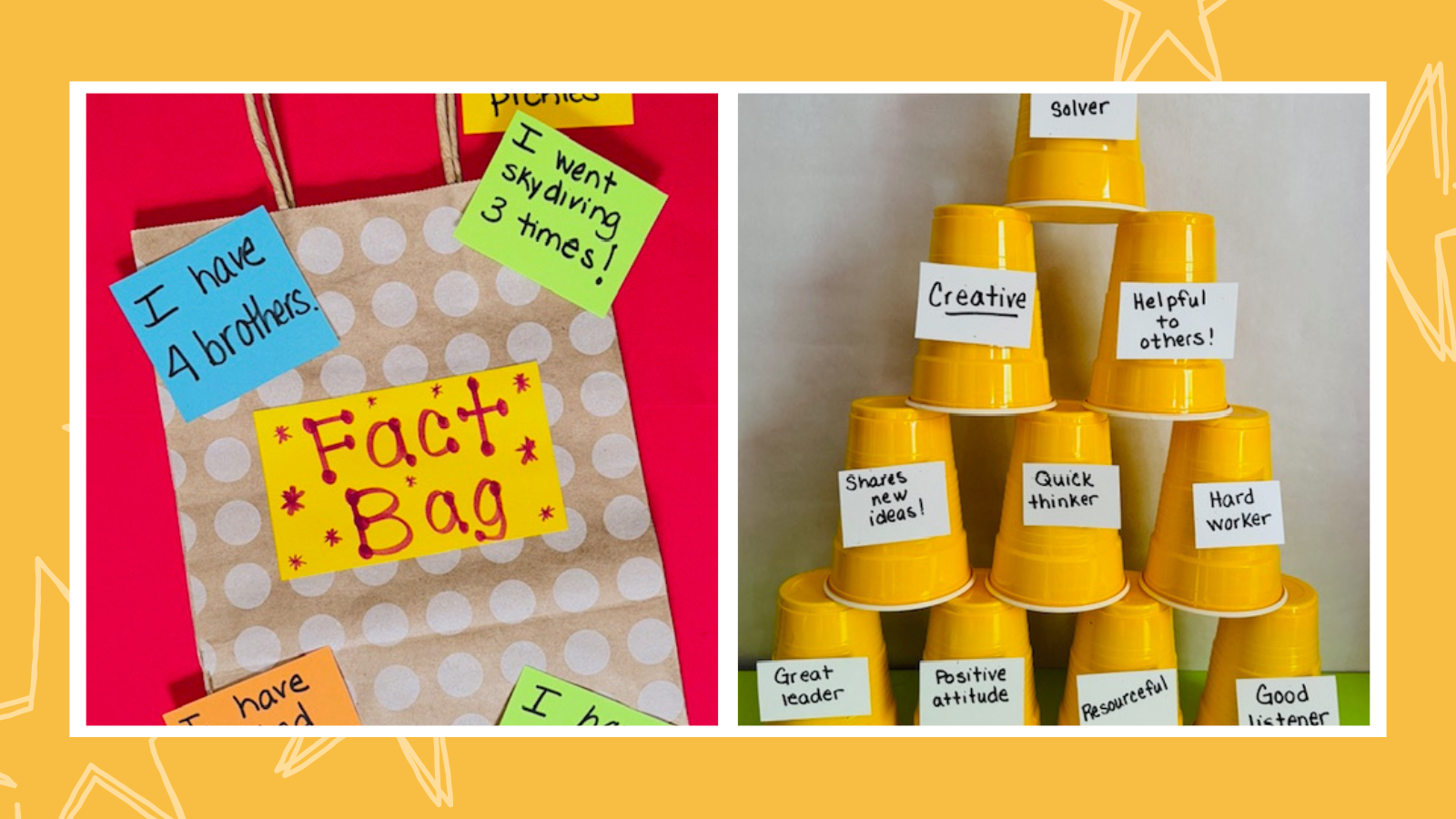
Each participant writes a surprising fact about themselves on a card and tosses it into a bag. As facts are drawn one by one, the group works together to guess who each fact belongs to. This interactive game serves as a fascinating way to uncover lesser-known stories, building deeper connections among staff. You'd be surprised at what you might learn about someone you've worked alongside for years!
High-Low-Interesting
Objective: Take the emotional temperature of the team.
Materials: None
Participants: Any size
Time: 10–15 minutes
Everyone shares a recent high point, a low point, and one interesting tidbit from their week. This candid exchange invites vulnerability and encourages team members to connect on a more personal level. If you're working in this space, you'll recognize how vital it is to gauge your team’s emotional landscape—it shapes collaboration and overall workplace morale.
Discussion
Sign in to join the discussion.