Talent shows empower students to showcase their abilities while enhancing community spirit and serving as effective fundraising events.
Strategizing Your Talent Show
Before moving too quickly into the details, first analyze the structure of your show. Are you envisioning a simple showcase of talent or a competitive contest? Both formats come with their strengths. A straightforward performance allows everyone to participate without the pressure of judgment, while a contest can increase excitement through awards and recognition. Just be mindful of the additional logistics involved in managing judges and prizes if you lean toward competition.
Identifying Your Audience
Next, consider who will be attending your show. Will it be a public event for families and friends, or an exclusive performance for the student body? This choice will influence many logistical elements, including seating arrangements and ticket pricing. It's vital to nail down this aspect early in the planning process, as it will shape everything from venue selection to marketing strategies.
Choosing the Right Time and Date
Timing is critical. If you can, schedule the show during school hours. That ensures participation from all students and does away with the constraints of parents’ schedules, which often lead to some students feeling left out. Additionally, if timings allow, think about livestreaming or recording the performance to let parents who can’t attend still experience the event.
Selecting the Venue
Select a suitable venue that aligns with your resources and the nature of the performances. An auditorium with a sound system and stage can enhance the experience, allowing for professional-grade lighting and acoustics. However, don’t overlook alternative spaces like a gymnasium, which can open the door for unique performances such as basketball tricks.
Engaging Performers
Decide who will take the stage. Will it be a platform exclusively for students, or will faculty and staff also take part? Including teachers can foster a sense of community and enhance audience engagement, so keep that possibility open. Your goal should be to create a diverse lineup that encourages all types of talent to participate.
Establishing Performance Guidelines
Creating clear guidelines for acts is essential for ensuring a smooth show. Think about how long each performance should be, ideally capping them at five minutes—though one-minute acts can bring an exhilarating burst of energy. Also, consider what types of performances you'll allow and what equipment participants may need to provide themselves versus what they'll have access to at the venue.
Running Auditions
Even a talent show aimed at inclusivity benefits from auditions. This step provides insight into the acts you can expect, helps screen for appropriateness, and clarifies what support you’ll need during the event itself.
Finding the Right Emcee
A charismatic emcee is the backbone of any talent show. They keep the energy high and ensure a seamless flow between acts. You might consider a drama teacher, a school principal, or even an enthusiastic student with a knack for presentation.
Judging Criteria
If you go for the contest format, carefully select judges who can provide fair and constructive feedback. Take care to avoid conflicts of interest by ensuring that parent judges don’t judge their own children's acts. It may even be beneficial to include students as judges, adding an engaged demographic to the panel.
Pre-Show Preparations
A day or two before your event, hold a rehearsal. This can serve multiple purposes: it helps performers familiarize themselves with the order of events, allows you to refine timing, and helps identify any last-minute issues.
Additional Tips for Success
- Create programs listing all participants to give attendees a clearer sense of what to expect.
- For competitive shows, consider providing small awards or certificates to all participants, ensuring everyone walks away feeling valued, regardless of the outcome.
- Welcome unconventional acts. If a student wants to perform a skill that requires an intimate view, think of creative ways to showcase it, perhaps through video projections.
- Encourage each act to keep the stage clean after their performance to maintain decorum and safety.
Sure, hosting a talent show demands substantial planning, but the benefits it provides—community building, student engagement, and a fantastic display of creative ability—far outweigh the challenges. Let your student’s talents shine, and watch the community come together in support.
Embracing Creativity Through Performative Arts
As we wrap up, it's clear that talent shows offer a unique platform for self-expression and creativity across age groups. From the straightforward charm of a glow stick dance to more elaborate performances, the variety of acts reflects the rich tapestry of skills that people can showcase. It’s these elements that not only entertain but also encourage participation, boosting confidence and fostering community connections.
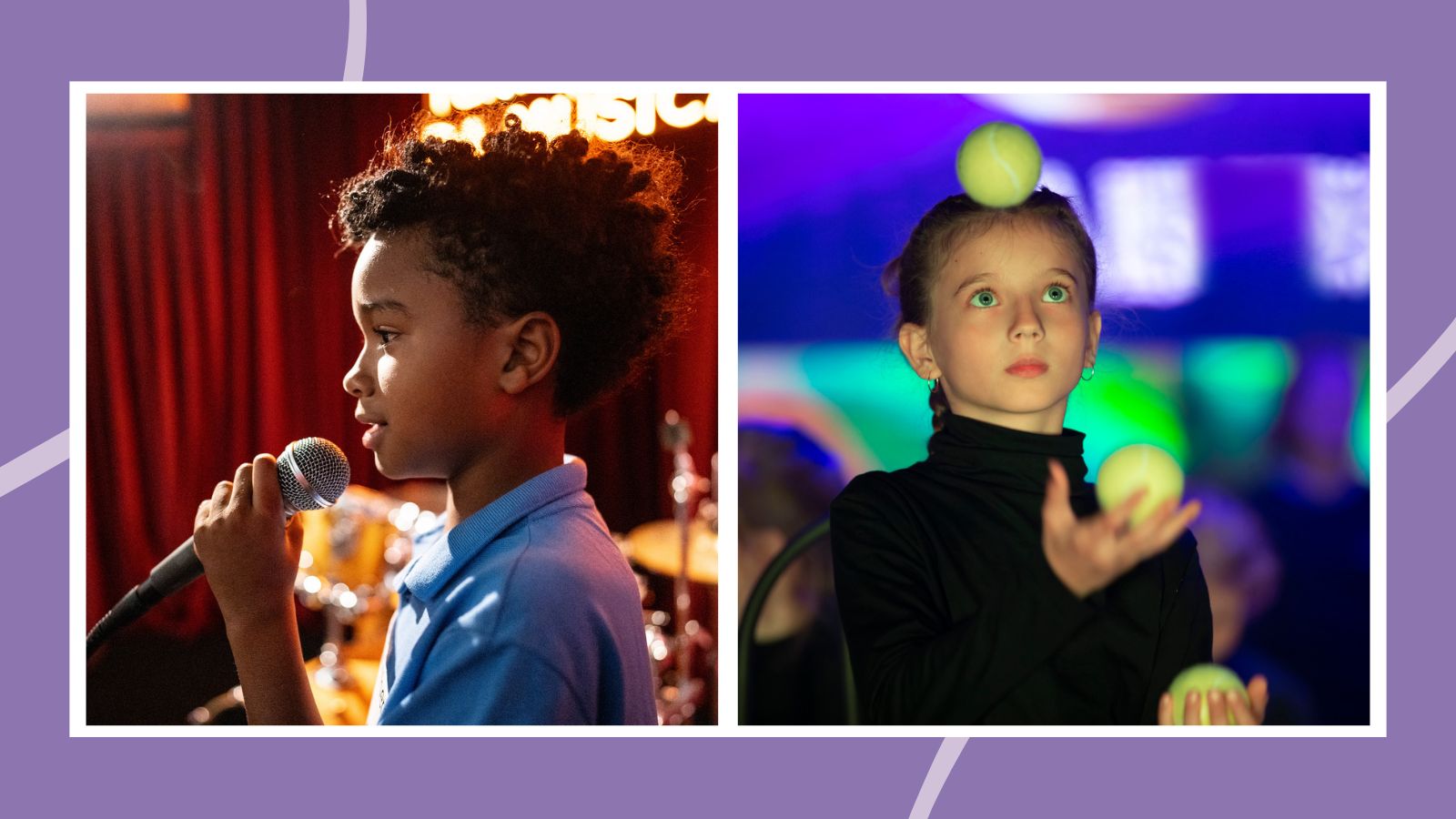
What stands out here is the adaptability in the form of talent expression. Whether it’s singing, juggling, or even speed LEGO building, nearly any hobby can be transformed into a performance with a bit of flair and showmanship. This wide array of ideas not only invites individual talents but also promotes collaborative acts that can be both fun and engaging—think band performances or joint dance routines.
But here's the question: how can educators and event planners create environments that inspire these performances? It’s not enough simply to provide a stage; participants need encouragement and resources to develop their skills and confidence. Programs that emphasize mentorship, for example, could dramatically impact the quality of acts and the overall experience for performers and the audience alike.
And let’s not overlook the importance of community feedback. Engaging with platforms like the
We Are Teachers HELPLINE group can enrich the talent show experience, allowing participants to gather ideas and receive support from a network of peers. Sharing unique acts and innovative performance ideas could inspire others and spark new trends in talent presentations.
The takeaway? Talent shows aren't just about the performances; they're about sparking creativity and connection. So, as you gear up for your next event, remember that every effort to embrace originality can transform an ordinary gathering into an unforgettable celebration of skill and imagination.
Discussion
Sign in to join the discussion.