Discover how one family's initiative is addressing representation gaps and fostering community for Black homeschoolers in a traditionally homogenous space.
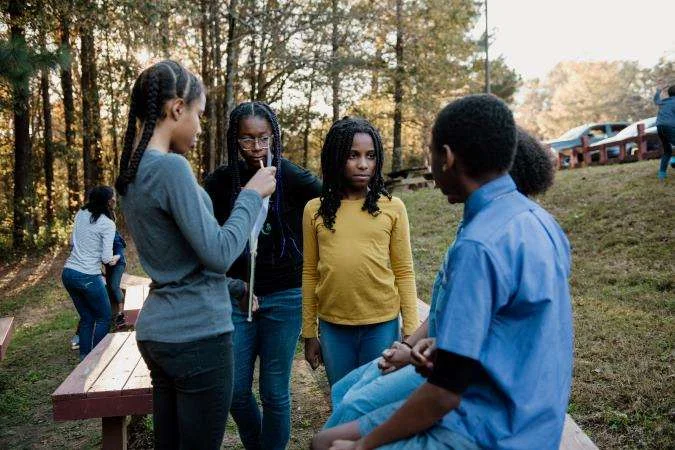
I’ve encountered numerous highs and lows on my homeschooling journey, and it's clear I'm not the only one. Many families share the same trials and triumphs, yet some challenges can feel isolating. The transformative potential of homeschooling is overshadowed by these hurdles, particularly for African American families. This underscores the importance of building an inclusive, supportive community for everyone involved in home education.
Building the Community You Need
One significant challenge for African American homeschooling families is the persistent lack of representation within the broader homeschooling community. This situation isn't just about numbers; it reflects a deeper systemic issue where narratives and perspectives are dominated by a select group. The image of home education in America has often been shaped by the presenters at major homeschooling conferences, the authors of popular educational publications, and those whose voices dominate social media discussions. Unfortunately, this representation has historically skewed toward a homogenous demographic, leaving many Black homeschoolers feeling disconnected and overlooked when it comes to sharing their expertise and experiences. This absence has not only contributed to feelings of isolation but has also limited the diversity of educational philosophies and approaches that can enhance the homeschooling experience.
This absence of representation has discouraged some prospective Black homeschoolers from taking the leap into home education. The decision to homeschool can be daunting. For Black families, the absence of relatable role models can amplify this anxiety. Those who do decide to homeschool may still find themselves feeling isolated in an unfamiliar environment. The lack of visibility can create a feedback loop where potential homeschoolers hold back because they don’t see themselves represented, which in turn reinforces the existing demographic issues within the homeschooling community.
A further obstacle is the limited availability of culturally relevant curricula. While some progress is apparent, resources such as literature guides featuring Black characters or science lessons highlighting the contributions of Black individuals remain scarce. There's a growing market for educational materials that celebrate diversity, but existing resources often fall short. As more families realize the importance of education that reflects their identities, the demand for inclusive curricula is expected to rise.
When discussions of Black history or achievements arise in lessons, they often focus exclusively on struggles rather than celebrating the rich tapestry of Black culture: community bonds, artistic expressions, familial connections, and friendships. While exploring historical injustices is necessary for a complete understanding, an overwhelming focus on these narratives can shape children's self-perceptions negatively. Young learners need to see a balanced representation that includes stories of resilience, joy, and accomplishment. Failing to do so risks fostering a narrow view of what it means to be Black in America.
Like all children, Black kids enjoy a range of literature from adventures and mysteries to historical fiction and biographies. However, the scarcity of accessible resources to assist parents in navigating these diverse narratives adds to the difficulty for those who may not have the time or experience to craft lessons from the groundwork. When parents are left to assemble curricula themselves, it can quickly become an overwhelming task, further discouraging those interested in homeschooling.
I've taken steps to remedy this gap by offering recommendations for African American literature and straightforward Black history lesson plans on my website. Other platforms like Stories of Color are also stepping up to address these issues. Still, there's plenty of work left to do in the homeschooling community. The question remains: will mainstream educational publishers rise to the challenge, or will smaller, independent creators continue to fill the void?
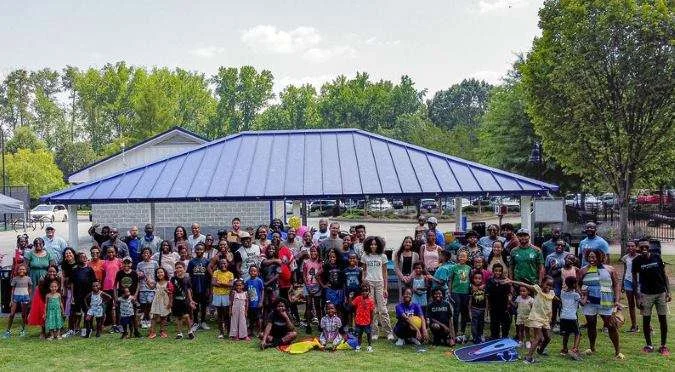
Another recurring issue for Black homeschoolers is the uniformity of many local communities. While some children can thrive as the sole Black participant in a local co-op or support group, that experience can be tough for most as they navigate their educational and social lives. Feeling like an outsider can be deeply unsettling, especially for kids who are longing for camaraderie. The lack of diversity in these spaces not only limits social opportunities but can also hinder educational enrichment.
Often, parents see a critical need for inclusive homeschooling environments where their children can feel acknowledged and supported. If you're working in this space, you know how essential it is to create spaces where kids can freely express themselves and not just blend into a majority. In such settings, the children aren’t just learning academics; they’re learning the importance of diverse perspectives in every subject.
In urban settings, diverse homeschooling groups may provide a solution, but for some Black families, establishing a more welcoming ecosystem has meant creating their own groups. This was the path I followed. The decision to start a group wasn’t just about filling a gap—it was about creating a home base for families like ours who sought connection and understanding in the educational choices we were making.
In 2016, I founded a local homeschool support group aimed at helping families with Black children (with diverse parents included) form connections with fellow homeschoolers who share similar goals and experiences. The group has became a vital resource. Our gatherings often incorporate discussions about curriculum choices, the significance of teaching Black history comprehensively, and resources that can make the homeschooling process feel less isolating.
Our group features regular enrichment activities, service projects, field trips, and educational outings, organized by the members according to our collective interests and needs—ensuring that all families have a chance to take the lead in planning. This community, once born out of frustration with the existing options, has become one of the highlights of our homeschool journey. The insights shared in these sessions have immeasurably enriched our children’s education.
Belonging is a universal need, transcending backgrounds. Whether your children seek friends who share cultural histories, different abilities, or simply common interests like nature walks or book discussions, building the community that meets your family's needs can be an invaluable step toward support and fulfillment. You'd be surprised how much it matters to find your tribe.
The Future of Homeschooling for Black Families
The future for Black homeschooling families is filled with both challenges and exciting possibilities. As awareness grows about the unique needs and potential contributions of diverse families in the homeschooling sphere, there’s hope for a shift in how resources, curricula, and communities are constructed. The increasing visibility of Black homeschoolers can push educational publishers to broaden their offerings and co-ops to become more inclusive.
There's a ripple effect here: as more families share their stories and best practices, they inspire others. This collective movement could redefine the homeschooling space, making it more representative and versatile. But these changes won’t happen overnight. Advocates need to persist through all those setbacks that come with challenging the status quo. It’s about ensuring that the invisible barriers are dismantled so that every child, regardless of background, has access to a rich, reflective educational journey.
Discover your Homeschool Mom Personality! Take Jamie’s quiz now for personalized insights to optimize your homeschooling experience!
Discussion
Sign in to join the discussion.