Discover effective home techniques to determine whether eggs are fresh or spoiled with practical tips and tests.
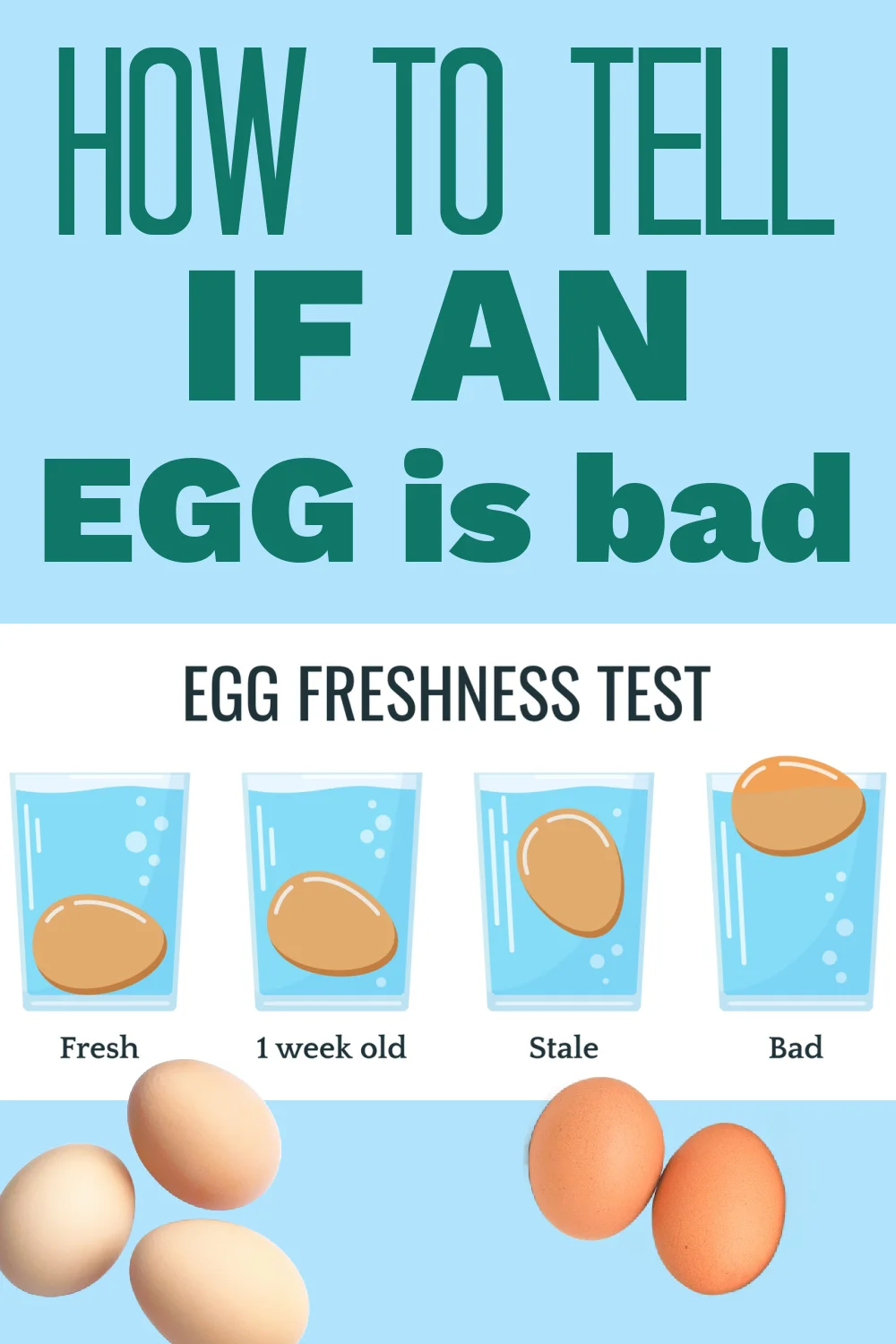
If you're curious about the freshness of your eggs, there are straightforward tests you can perform right in your kitchen. All you need is a bowl and some water.
Understanding the Basics of Egg Freshness
Eggs are a dietary staple for many households, and knowing whether an egg is fresh or not is important not just for culinary purposes, but also for food safety. The quality and safety of eggs can deteriorate over time, which is why methods to check their freshness are essential knowledge for anyone who cooks. Fresh eggs provide better flavor and texture in dishes, whether you're frying them up for breakfast or whipping up a soufflé.
Testing an Egg’s Freshness
To determine an egg's freshness, simply place it into a bowl or glass of water at room temperature. This method is simple and requires no special equipment. A fresh egg will sink and rest on its side at the bottom of the bowl, indicating that it is in its prime state. In contrast, an older egg tends to float. The mechanics behind these tests lie in the egg's internal structure. If the egg sinks but remains at an angle, it’s not as fresh as one lying flat, but it's likely still safe to eat. This visual cue can guide you in deciding whether the egg is good enough to use or should be saved for later disposal.
Why Floating Eggs Indicate Spoilage
Floating eggs are often stale or spoiled, primarily due to an expanding air pocket inside the egg. As eggs age, they lose moisture through their porous shell and this moisture is replaced by air, increasing the size of the air bubble. If this bubble becomes sufficiently large, the egg becomes buoyant, turning it into a floating specimen. The float test is reliable because it directly relates to the egg's age. With an increase in air space comes a decrease in freshness, and that's why this test is more than just a novelty trick; it’s a scientifically sound method for evaluating your eggs.
Other Signs of Spoiled Eggs
While the float test is a good indicator of an egg's freshness, cracking one open can yield further insights into its quality. If you detect a strange odor, that's a strong sign that the egg has gone bad and should be discarded immediately. Old eggs often develop a sulfury smell that can be quite off-putting. You can also shake the egg gently; if you hear a sloshing sound from within, it’s likely past its prime. This sound indicates that the liquid egg white has thinned out as the egg ages. For a closer inspection before making your decision, shine a flashlight on the egg to check for cracks or internal air spaces. This light test, known as candling, can expose any ruptures that aren't visible to the naked eye.
Significance of Knowing Egg Freshness
Understanding how to assess egg freshness isn't just a fun kitchen trick. It has real implications for cooking and food safety. Spoiled eggs can lead to foodborne illnesses, which is why such knowledge is indispensable. Whether you're a seasoned chef or a busy parent, being able to discern the quality of eggs directly impacts the meals you prepare.
Future Outlook: Innovations in Egg Quality Testing
Now, let’s consider what this means for you, especially if you're working in this space: with the rise of smart kitchen gadgets, it’s likely that we’ll start seeing more advanced tools designed to assess egg freshness with even greater accuracy. For instance, smart sensors could measure the composition of the air inside an egg and alert you on your phone when that egg is no longer fresh. The convenience of such devices could revolutionize how we manage food safety at home, reducing waste and enhancing meal preparation.
The post Simple Methods for Assessing Egg Freshness at Home appeared first on Science Experiments for Kids.
Discussion
Sign in to join the discussion.