Engage kids in science with a viscosity experiment that compares the flow rates of various liquids through a fun, interactive approach.
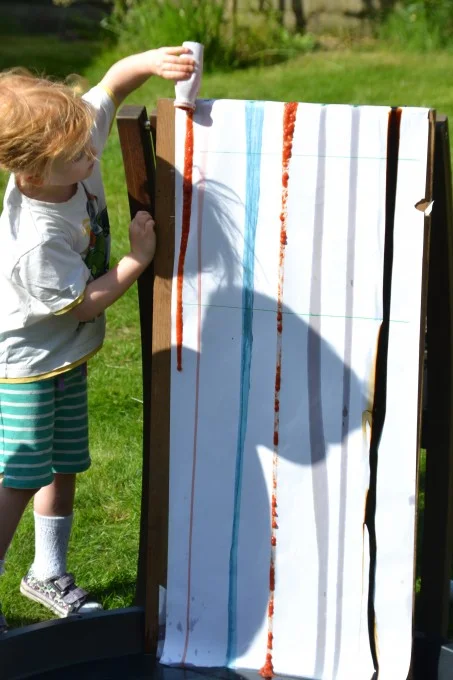
This viscosity experiment offers an engaging way for kids to explore how different liquids flow. It also doubles as a little competition to see which kitchen ingredients, like ketchup, can zip down a ramp the fastest. Kids thrive on competition, and combining learning with a race taps into that energy effectively. It encourages observation and critical thinking while keeping participants actively engaged in discovering the principles of fluid dynamics.
The concept behind the experiment revolves around the varying resistance of fluids, known as viscosity. By observing this behavior, participants gain insights into the physical characteristics of everyday substances. Viscosity isn’t just a scientific term—it's something that affects a wide array of products we use daily from cooking oils to car fluids. Understanding how and why different liquids behave in varying ways is foundational for grasping more complex scientific concepts related to physics and chemistry.
Conducting the Viscosity Experiment
Items you'll need:
- A ramp, such as a chopping board or a paper-covered surface
- A stopwatch
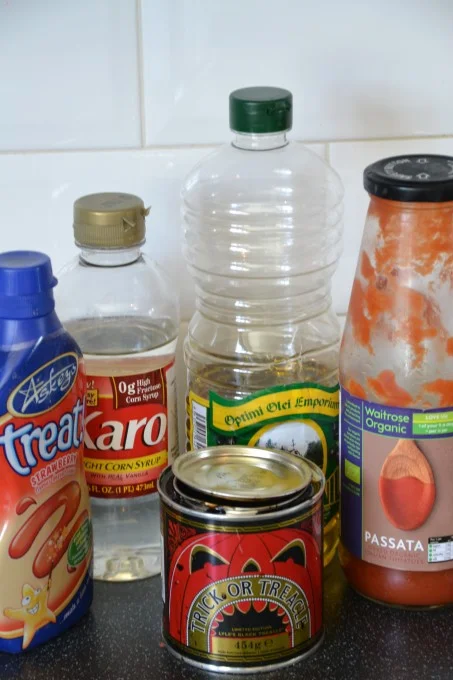
- A selection of liquids: consider using oil, water, corn syrup, passata, treacle, and ice cream syrup
- Containers like old yogurt drink bottles to hold the liquids
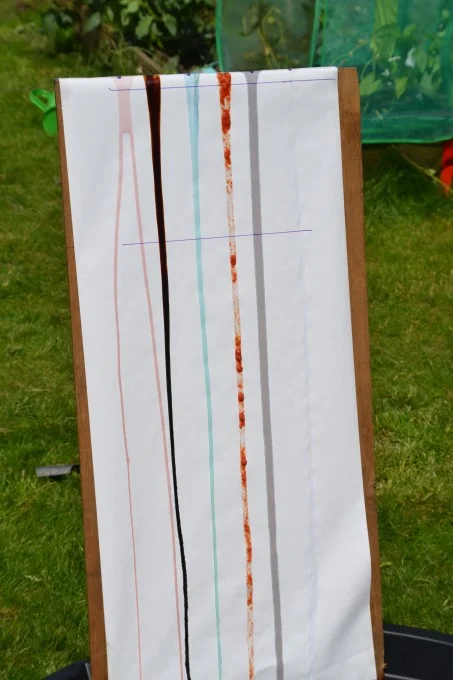
To conduct a meaningful comparison, you'll need to establish a consistent method for timing the liquids. Instead of releasing all the liquids simultaneously—which can lead to chaos—you can mark two lines on the ramp. Measure the time it takes for each liquid to travel from one line to the next. This method not only ensures accuracy but also minimizes confusion during the experiment. Timing is everything; it turns a simple observation into an engaging and measurable challenge.
Step-by-Step Instructions
- Pour each liquid down the ramp individually.
- Start the timer as the liquid crosses the first line and stop it when it reaches the second.
- Repeat the process for each type of liquid.
Creating a Fair Testing Environment
To ensure the experiment is fair, use the same volume of liquid for each test—50ml works well. Consistency here is key. Use the same starting conditions for each liquid to eliminate bias. Start timing only after the liquid passes the first line. If the ramp shifts, reset it to the original slope for accurate comparisons. It’s beneficial to run multiple trials for each liquid and average the results. This practice encourages a scientific mindset and instills the importance of replicability in experiments.
Additional Science Activities
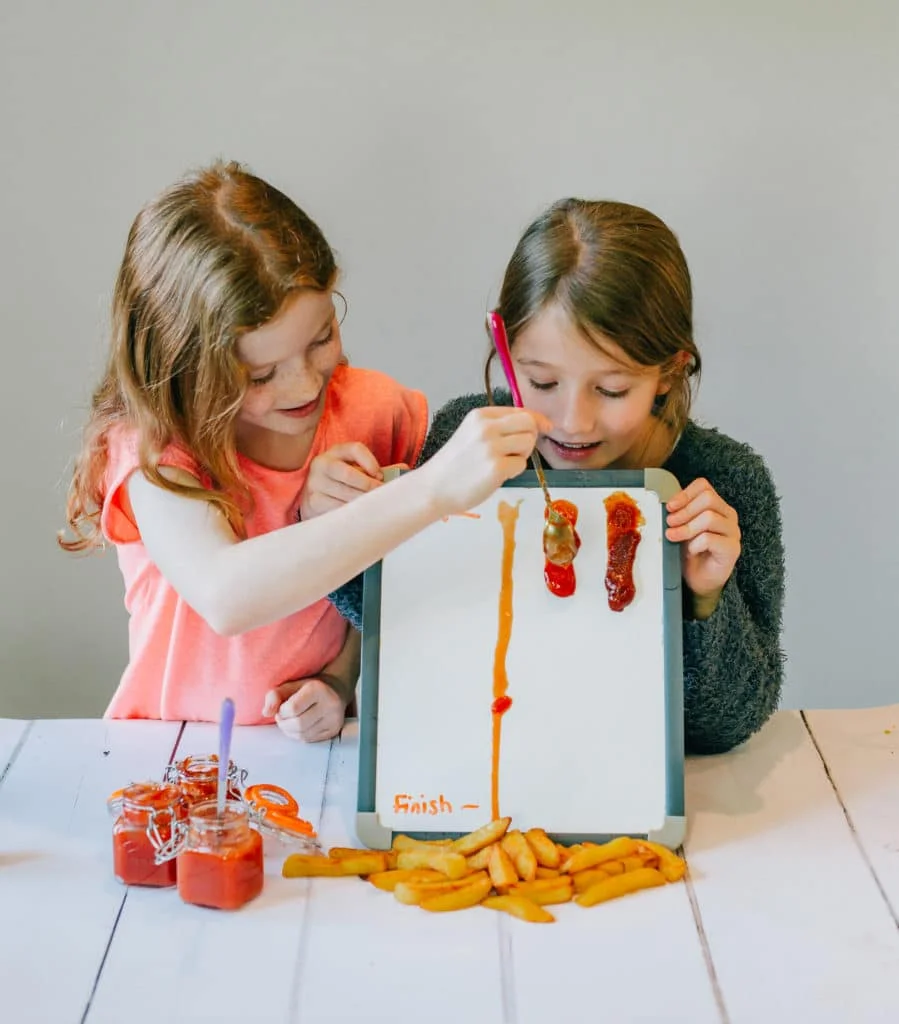
If you’re eager for more experiments, consider the Snackable Science guide. It features a similar activity where various ketchup brands are tested for flow speed. This not only provides continuity in learning but also brings in brand comparisons that can lead to discussions about marketing, formulation, and real-world applications of viscosity.
For those enjoying this experiment, explore our selection of easy outdoor science experiments and kitchen science ideas for more educational fun! Each of these activities can help reinforce the principles discovered in the viscosity experiment, encouraging a hands-on approach to science that can spark curiosity long after the initial experiment is completed.
Implications and Future Outlook
This experiment isn't just a recreational activity; it serves as a springboard for deeper inquiry into the physical sciences. Kids will inevitably encounter more complex concepts involving fluid movement in their educational journeys. By engaging them early on with simple, hands-on experiments like this, you're laying the groundwork for future learning. Consider this: the fun they have today could morph into a genuine interest in STEM fields tomorrow.
If you’re working in this space, you might appreciate the trend showing a growing emphasis on experiential learning. Schools are increasingly recognizing the importance of active learning methods. Viscosity experiments like this one align perfectly with that paradigm. They keep children entertained while fostering an appreciation for empirical evidence—skills that are critical in the age of misinformation. And yet, despite the fun, it’s essential that educators and parents alike also draw connections to real-world applications. Aquatic ecosystems, engineering, and even cooking all hinge on understanding fluid dynamics.
Ultimately, what this means for you is that fostering this kind of exploration doesn’t just benefit the children involved. It could indeed contribute to a more scientifically literate society down the line. Simple experiments like these may well inspire the next generation of engineers, scientists, and informed citizens.
Discussion
Sign in to join the discussion.