Discover a hands-on experiment using eggshells to teach tooth decay concepts while emphasizing the importance of dental hygiene.
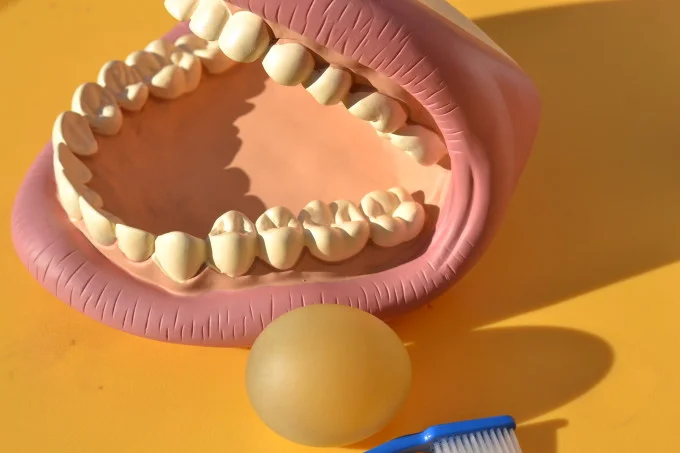
This engaging experiment uses eggshells to mimic tooth enamel, allowing participants to visualize the effects of various substances on dental health. The activity offers a dynamic way of demonstrating the significance of maintaining healthy teeth by exploring what can harm them. This hands-on approach serves not only to educate but also to spark curiosity about everyday ingredients and their effects on our health.
Understanding Tooth Decay
The roots of tooth decay lie in the consumption of sugary and sticky foods, which lead to bacteria generating acids that can erode tooth enamel. When you consume foods high in sugar, bacteria in the mouth feed on those sugars. They produce acids as a byproduct, which, over time, wear down the protective layer of enamel that covers teeth. Interestingly, dental professionals have long highlighted that consuming cheese at the end of a meal can help neutralize mouth acidity, potentially protecting against tooth decay. This is a reminder that not all foods impact dental health negatively; sometimes, the right choices can actually help protect it.
Activity Introduction
This project substitutes real teeth with eggs to simulate tooth behavior, based on the similarity between eggshells and tooth enamel. The experiment illustrates how various everyday substances impact enamel, allowing for a direct visual representation of the consequences of poor dental hygiene. The concise list of materials makes the experiment accessible for educators, parents, or anyone looking to demonstrate critical dental health concepts. Anyone can engage with it, whether you're in a classroom setting or experimenting at home, as it effectively bridges scientific principles with practical understanding.
Materials Needed
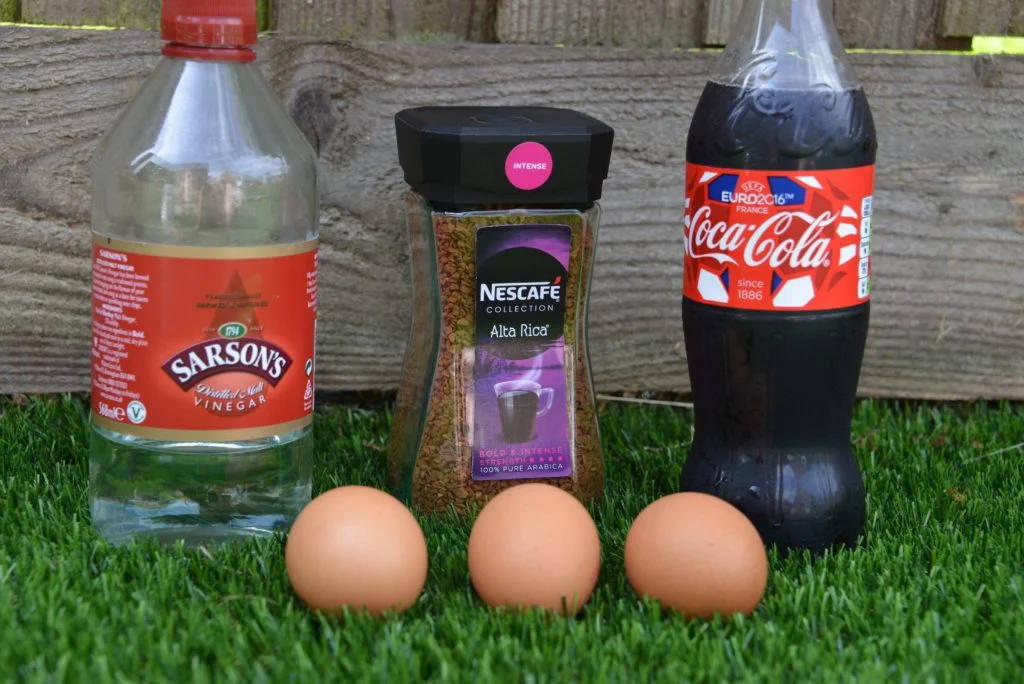
- Eggs
- Jars
- Water
- Tea/Coffee
- Fizzy flavored drink
- Vinegar
- Toothpaste
Step-by-step Instructions
- Pour equal amounts of fizzy drink, vinegar, water, and tea or coffee into separate jars.
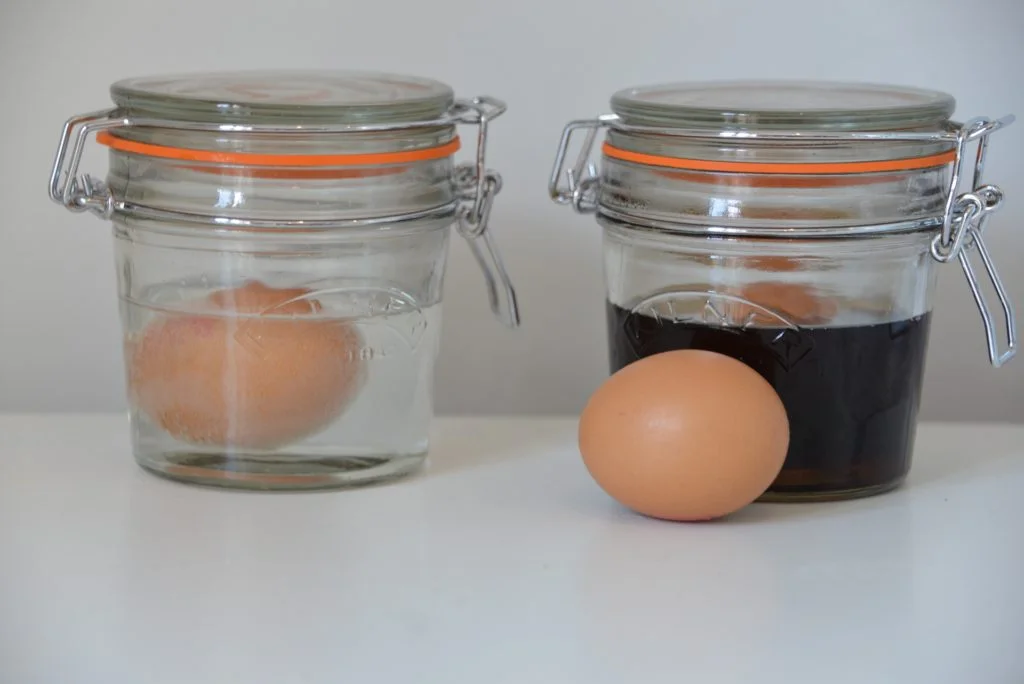
- Place a whole raw egg in each jar, while also adding a toothpaste-covered egg into tea or coffee.
- Let them sit for about three days.
- After three days, carefully remove the eggs.
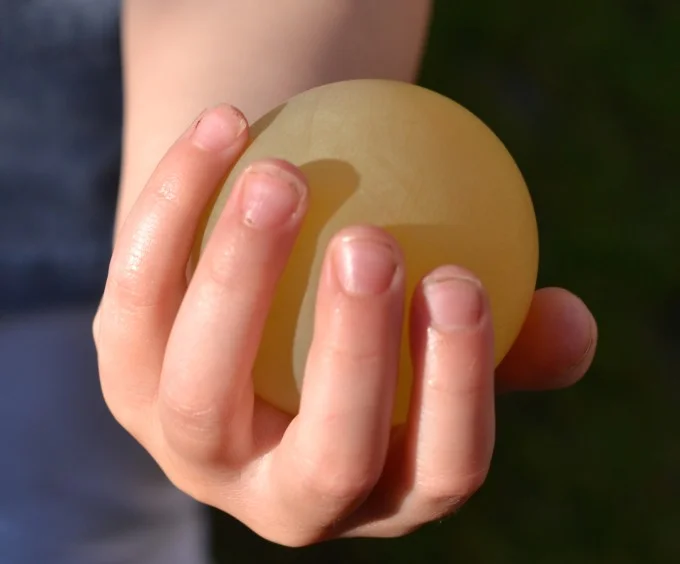
- Rinse the egg that was in vinegar and gently rub away the shell, which should dissolve easily.
Observations from the Experiment
You'll likely notice staining on the eggs submerged in fizzy drinks and tea or coffee. This is particularly striking given that both drinks are staples in many households. Conversely, the egg coated with toothpaste should show significantly less staining. This difference illustrates how toothpaste can help protect enamel by reducing the impact of staining agents. The visual contrast serves as a vivid reminder of how important dental hygiene products are in everyday life. The egg immersed in vinegar will reveal another drastic change – the shell will dissolve completely, leaving only the inner membrane, vividly demonstrating the effects of acidic substances on teeth. This outcome encapsulates the dangers of regularly consuming acidic foods and drinks, especially when proper dental care is not adhered to.
Why Do Teeth Stain?
Products like tea, rich in tannins, can contribute to tooth discoloration, especially when proper oral hygiene isn't maintained. The irony is many people enjoy these beverages without realizing the potential cost to their dental health. Similarly, fizzy drinks, being highly acidic and often containing staining agents, can also lead to significant staining or decay. The experiment effectively showcases how vinegar, acting as an acid, breaks down the calcium carbonate in the eggshell and impacts the enamel on teeth. This correlation is powerful, reminding us that the choices we make daily can have lasting effects. If you're working in this space, consider how these insights could inform educational efforts aimed at improving public dental health awareness.
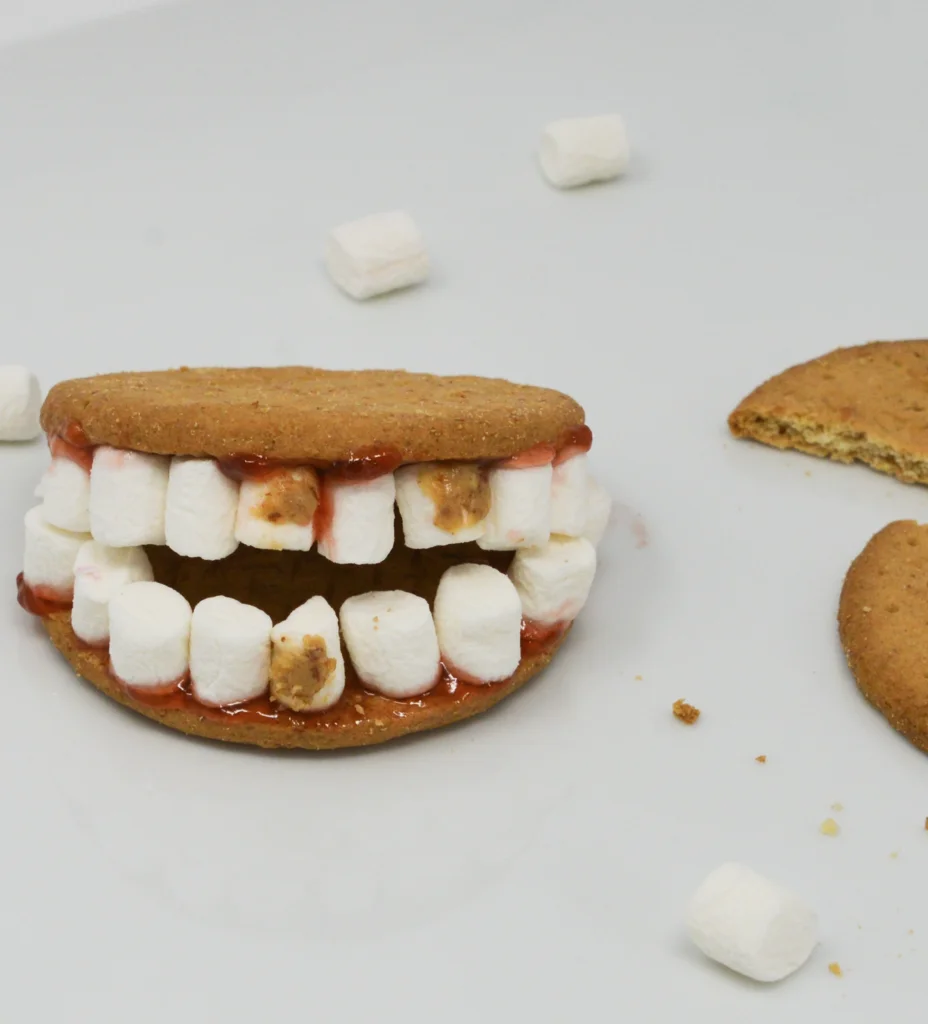
For those interested in similar explorations, you might consider creating a sturdy bridge from eggshells or trying other fun egg-centric experiments. These activities can deepen understanding of scientific concepts while remaining engaging and relatable.
Further Resources and Experiments
For more experimenting, you can make models using kitchen ingredients to simulate dental health, encouraging practical learning about hygiene. By exploring these additional activities, you create opportunities for engagement. It's not just about understanding what harms teeth; it's also about what protects them. Encourage your friends and family to partake—the more voices in this conversation, the better.
Implications for Dental Health Education
The implications of this experiment are significant. Beyond merely illustrating dental health principles, the visual and hands-on approach engages participants on a deeper level, fostering lasting understanding. This isn't just an exercise in science; it’s a chance to reinforce public health education surrounding nutrition and oral care. Informative experiments like this can serve as a compelling tool in schools, community health programs, or even at home, making dental health education accessible and relatable. Ultimately, as discussions around health continue to shift towards preventive measures, understanding these basic concepts can empower individuals to make better choices.
Discussion
Sign in to join the discussion.