Explore interactive Humpty Dumpty-themed science experiments that blend fun and learning, perfect for engaging young minds.
Introduction to Humpty Dumpty Science Activities
Engaging children in science through playful experiments isn’t just a fun way to pass the time; it's key to developing their creativity and critical thinking skills. This set of Humpty Dumpty science experiments, rooted in a nursery rhyme theme, serves as a captivating method to introduce basic scientific principles to young learners. The activities are not merely educational; they offer children the chance for hands-on learning, promoting exploration and hypothesis testing in a way that’s both enjoyable and enriching.
Egg Drop Experiment: Protect Humpty Dumpty
One standout activity in this collection is the Egg Drop Experiment. Here, kids revel in the challenge of ensuring their egg survives a fall. This experiment captures attention and sparks discussions about impact protection and material properties, which are foundational concepts in engineering and physics.
Materials Needed
- Boiled eggs
- Sealable plastic bags
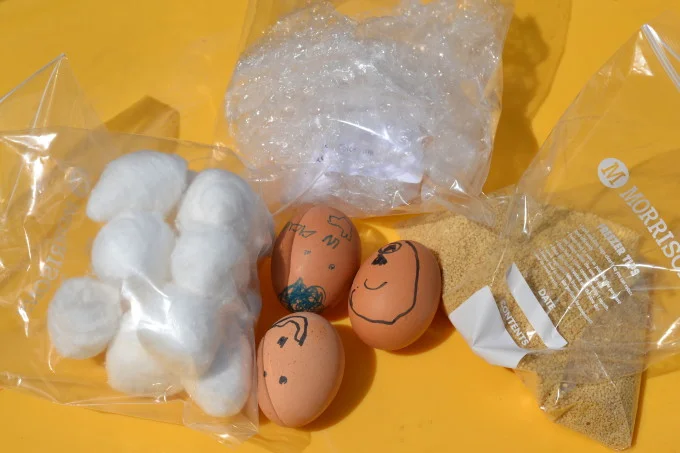
- Cushioning materials: cotton wool, bubble wrap, rice (avoid using cous cous)
Experiment Instructions
1. Begin by placing a boiled egg inside a sealable plastic bag along with the chosen cushioning material, ensuring the egg is well covered.
2. Hold the bag from the top and drop it from a consistent height – this is essential for maintaining control of the experiment.
3. After the drop, carefully check the egg for any cracks or damage, noting the results.
4. For a thorough understanding, repeat the process with different materials to determine which offers the most effective protection.
Considerations for Accurate Results
To obtain reliable results, several important factors should be taken into account. Consider aspects such as:
- Drop height: Consistency is key.
- Consistent dropping technique: It’s advisable to use the same person for all drops to ensure uniformity.
- The volume of cushioning material: Mark levels can help achieve uniformity across tests.
- Placement of the egg: Strategically positioning it within the cushioning can affect the outcome.
- Surface type on which the egg is dropped: Different surfaces react differently to impacts.
Exploring Further
What else can you discover? Challenge your young scientists to experiment with dropping the egg from greater heights or onto varying surfaces. What alternative materials could inspire their creativity? This inquiry-based approach encourages not just scientific reasoning but also creativity and problem-solving skills—both important for their overall educational development.
Build a Wall for Humpty Dumpty
Another compelling activity involves constructing a wall to test Humpty Dumpty's resilience. Children can build their walls using various materials, such as:
- Sugar cubes
- LEGO bricks
- Candy
Once the wall is complete, kids can roll a marble towards it to see if it withstands the impact. This simple experiment encourages children to think critically about structure, stability, and the engineering principles underlying design. They learn about forces in action and gain insights into how construction choices affect stability.
Testing Egg Differences
Another engaging experiment invites children to discern the differences between raw and boiled eggs using a straightforward spinning test. This activity is not just fun; it enhances observational skills and strengthens scientific inquiry capabilities, bridging the gap between play and science.
How Strong is Humpty Dumpty?
Finally, children can explore how different adhesive materials hold Humpty Dumpty in place against a wall. They might test various options like Blu Tack and Velcro to determine which is most effective. This experiment helps them understand material properties and real-world applications of science and engineering concepts—how different adhesives work and why certain materials are better for specific tasks.
More Humpty Dumpty Activities
For those seeking even more creative play opportunities, there are additional nursery rhyme activities that blend fun with learning. From crafts to more science experiments, the array of options available provides a wealth of pathways to spark curiosity and engage young minds. Each activity builds on critical thinking and hands-on experiences that can lay the groundwork for a lifelong interest in science.
Implications and Significance
These Humpty Dumpty science experiments offer more than simple entertainment. They serve as a significant means of engaging children with STEM concepts at an early age. In a world that's increasingly reliant on scientific understanding, instilling a passion for exploration can shape future generations. Children exposed to such activities are likely to see the relevance of science in their everyday lives, potentially inspiring careers in various fields like engineering, medicine, or environmental science.
Ultimately, these experiments capture the essence of learning through play. They provide a wonderful platform for children not only to grasp scientific principles but also to enjoy the very process of exploration. If you're working in this space, consider how initiatives like this can contribute to a sustainable interest in science that inspires future discoveries.
Discussion
Sign in to join the discussion.