Explore fun, edible experiments to understand earthquake science, tectonic activity, and the impact of seismic waves.

Engaging kids in science can take a delicious turn with earthquake experiments that don’t just educate but also entertain. At its core, the Earth comprises massive tectonic plates, and the points where these plates interact—referred to as faults—generate seismic waves that manifest as earthquakes. The varying degrees of these tremors can range from minor shakes to catastrophic quakes, with magnitudes measured on the Richter Scale, where a 3 is negligible and a 9 is extremely destructive. Understanding this basic foundation of earth science is essential for grasping subsequent concepts such as safety measures during earthquakes and the engineering solutions to withstand them.
The impact of an earthquake isn't just a number; it varies extensively depending on the proximity to the epicenter. As noted, the Mercalli Scale evaluates the intensity of the damage caused, underscoring how different locations can experience the same quake differently. Locations just a few miles away from the epicenter may suffer devastating effects, while those farther away might hardly notice the tremor. Notably, those seismic activities that occur underwater may trigger tsunamis, which drastically alter coastal landscapes, showcasing the broader consequences beyond the initial quake. Such insights are important for kids to appreciate the interconnectedness of natural phenomena and disaster preparedness.
Visualizing Earth's Layers
To comprehend the Earth’s structure, envision it as a peach. The core represents the stone at the center, with the mantle akin to the succulent flesh surrounding it, and the crust likened to the skin. This analogy helps simplify a complex topic, and creating a model out of playdough can make this concept tangible for younger learners. By visualizing Earth's layers through relatable objects, kids can better retain the information and understand the Earth's geological composition, which is vital for understanding phenomena like earthquakes and volcanoes.
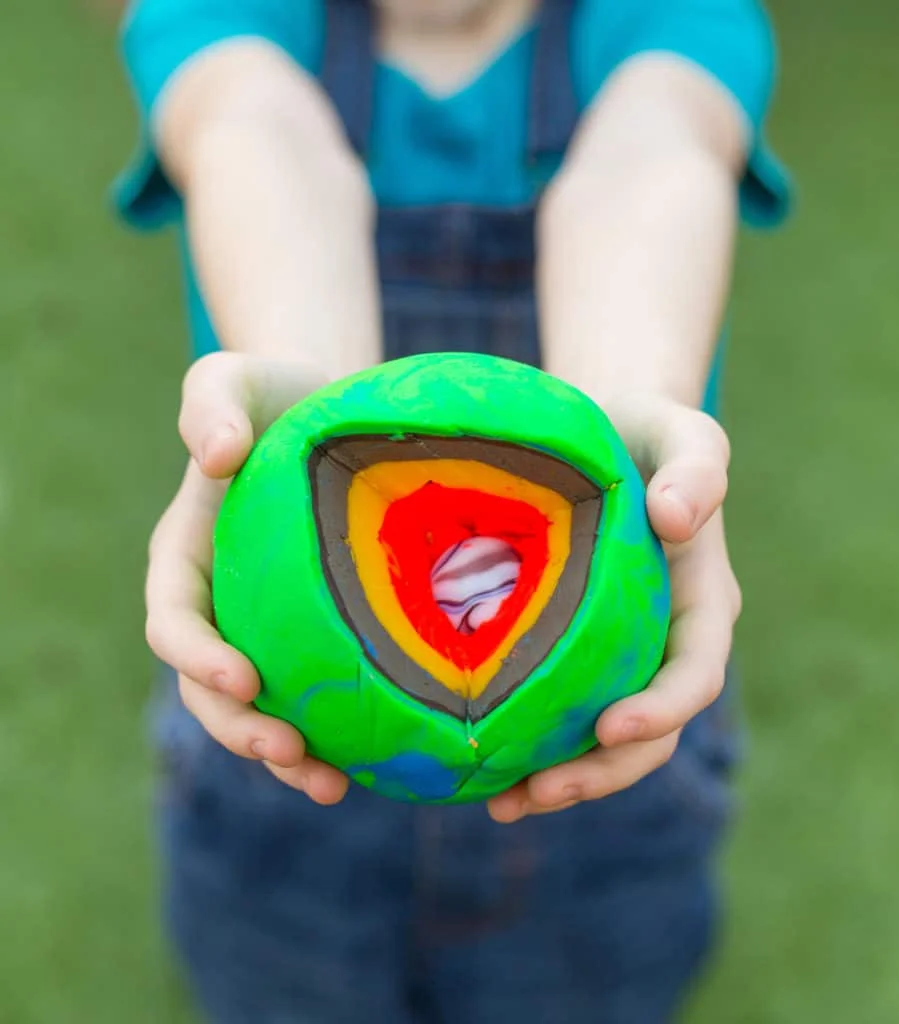
Hands-On Earthquake Experiment
For a tangible experiment, gather some jelly, a brownie base, gummy candies, and cocktail sticks. Here’s how it works: This hands-on approach amplifies the educational experience, giving students a direct link between theory and physical phenomena.
- Prepare a jelly layer and a solid base like a brownie in a tray. If you prefer non-edible materials, clay or playdough would also suffice.
- Assemble a tower using the gummy sweets and cocktail sticks. Document how different foundations affect the tower's stability.
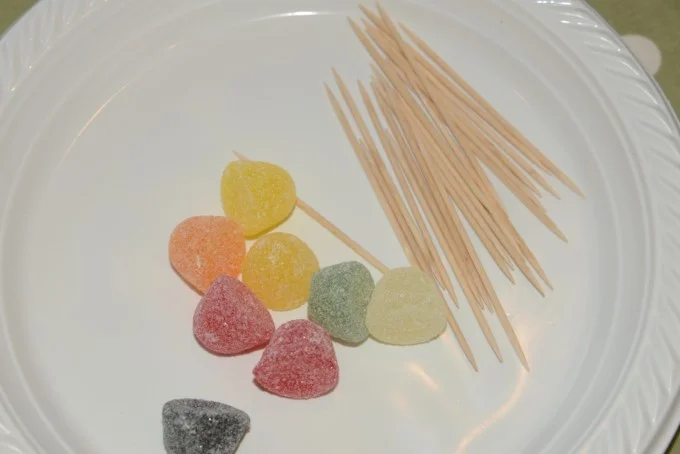
Experiment Procedures
For consistency, have a single person administer the shaking to ensure uniformity in force. Use similar heights and quantities of materials across trials to keep variables controlled. This controlled method makes the experiment more scientific and educates kids on how scientific testing is conducted.
Extension Questions
Encourage critical thinking with questions like: How would a taller tower perform? What alternative foundation materials might improve stability? What design modifications could reinforce your structure? These open-ended queries invite students to apply what they've learned and think beyond the immediate experiment, fostering a deeper understanding of engineering principles.
Explore More Earthquake Science
For further exploration, the seismometer is critical in measuring quakes and is a straightforward construction project. By building a simple seismometer, kids can see firsthand how seismic activity is monitored. Investigate the dynamics of tectonic activity by utilizing everyday objects, like an orange peel, for a simplified visual on plate tectonics. This not only reinforces the lessons learned but also encourages creativity, demonstrating that science can be both fun and educational.
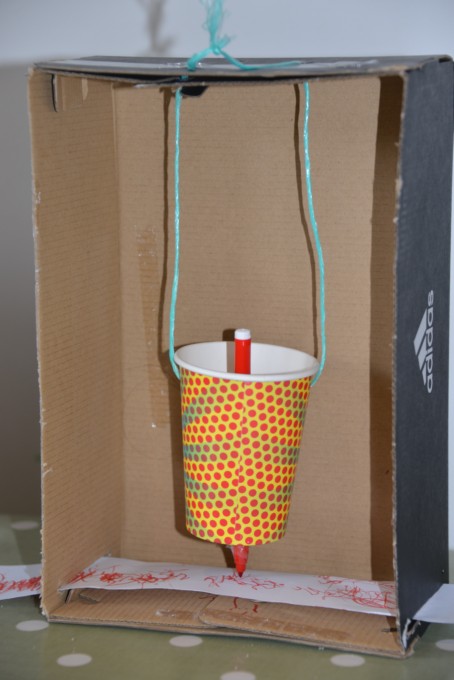
Check out LEGO-based activities for hands-on learning that encourages engineering skills through play. The blend of tactile learning with scientific principles may give kids the spark to pursue further studies in geology, civil engineering, or environmental science.
Implications and Future Outlook
Incorporating such experiments into educational curricula doesn't just teach about seismic activity; it helps cultivate a generation of informed citizens. If you're working in this space and aiming to promote STEM education, these activities are essential for nurturing curiosity and resilience. Kids learning about earthquakes today will understand their potential impacts on communities tomorrow. This underscores the importance of disaster preparedness and community safety measures.
Ultimately, these experiments provide not just a taste of science but a flavorful way to understand the significant concepts behind earthquakes and their effects on the world. The implications extend beyond the classroom, making science accessible and relatable, laying the groundwork for future exploration in fields that could very well define the technological solutions of tomorrow.
Discussion
Sign in to join the discussion.