Learn how to make effective pH test strips using red cabbage, plus insights into acids, alkalis, and the pH scale.
Crafting your own pH test strips can be both a simple and educational endeavor. With minimal materials at hand, these strips serve as practical tools for delving into the concepts of acidity and alkalinity through the creation of a red cabbage indicator solution. This DIY approach is not just fun; it’s an effective way for learners of all ages to engage with scientific principles hands-on.
Creating pH Indicator Paper
Required Materials
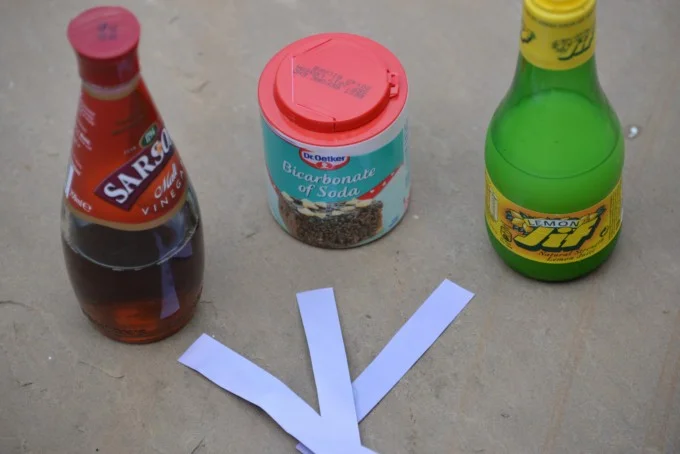
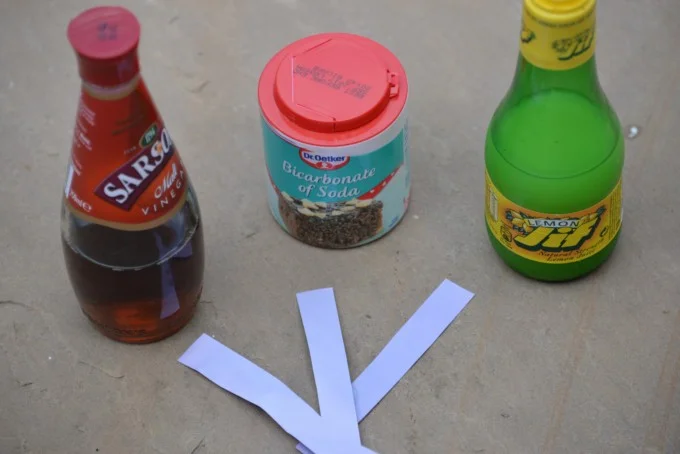
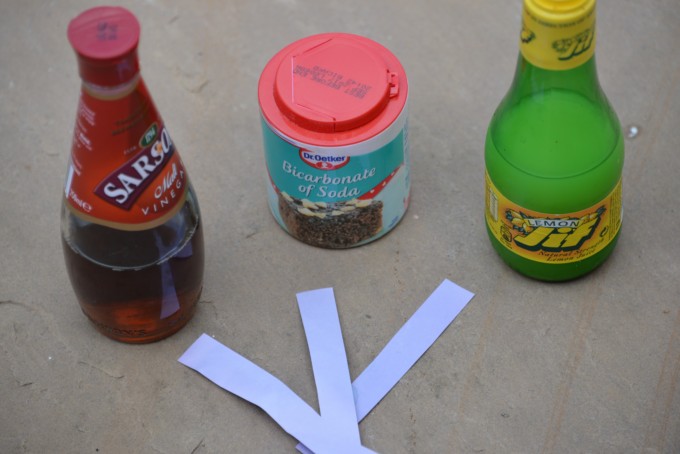
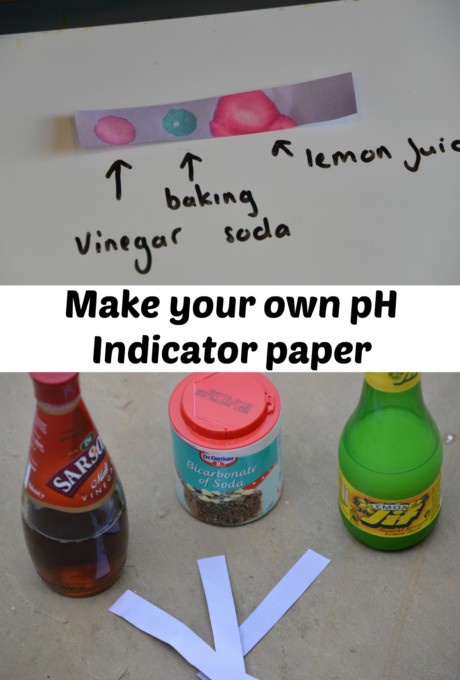
To start your project, you will need a few basic items. First, red cabbage is essential, as its pigments act as natural indicators. Boiling chopped red cabbage in water for about 10 minutes extracts these pigments. Next, you’ll need white filter paper as the base for your pH test strips. For testing, gather acidic and alkaline solutions like vinegar, baking soda, and lemon juice. This selection allows you to cover a wide range of pH levels, providing a meaningful exploration of acidity and alkalinity.
Procedure for Making pH Test Strips
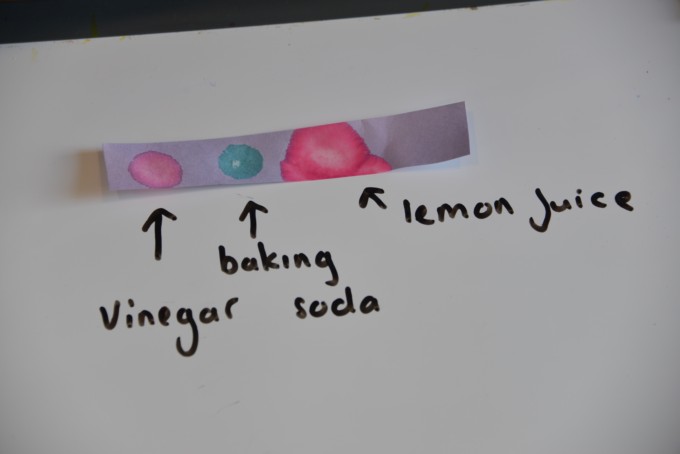
The process is straightforward. First, soak a piece of filter paper in the red cabbage indicator you've prepared. Let it dry completely—this can take some time but ensures that the paper absorbs all the relevant pigment. After the paper is dry, apply the various testing solutions you’ve gathered, watching carefully as the color changes provide insights into the pH levels of the substances. Typically, acidic solutions will change the paper to red or pink, while alkaline substances will turn it blue or green.
Understanding pH and its Scale
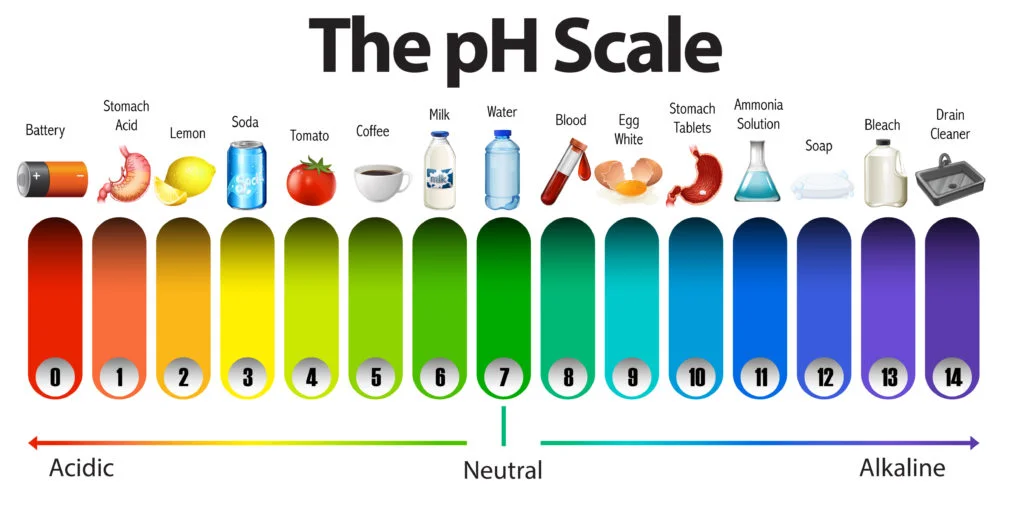
To understand your test strips, familiarity with the pH scale is important. Solutions typically fall into three categories:
- Acidic solutions emerge when acids dissolve in water. Their pH typically falls below 7.
- Alkaline solutions, conversely, result from alkalis dissolving in water, with pH levels above 7.
- Neutral solutions, such as pure water, are exactly at pH 7, indicating no acidity or alkalinity.
Grasping where these solutions lie on the pH scale is foundational for interpreting your results accurately. For example, many common household substances can easily fall into each category, demonstrating the relevance of pH in everyday life.
What Defines a pH Indicator?
Indicators serve a critical role in chemistry, mainly by changing color in response to the acidity or alkalinity of a solution. In laboratory settings, substances like Litmus and Universal Indicators have been widely used. Litmus paper tells you merely whether a solution is acidic or alkaline, while Universal Indicators give a more comprehensive overview by indicating the strength of the solution through color shifts.
Exploring Universal Indicator
Universal Indicator stands out because of its ability to reflect the pH of a substance in a deeper, more nuanced way. The colors it produces can create a gradient of pH values rather than a binary view, assisting in discerning not just the presence of acidity or alkalinity but also the exact strength of that property.
Key Facts About Acids
Acids are characterized by their low pH, specifically below 7, and they typically turn pH test paper red or orange. They often have a sour taste, which can also lead to corrosive characteristics, damaging cells and tissues upon contact. When acids react with metals, they release hydrogen ions, making them critical in numerous chemical reactions.
Key Facts About Alkalis
On the other hand, alkalis have high pH levels, above 7, which can turn pH test paper blue or purple. You'll recognize them by their soapy texture and potential for skin irritation, emphasizing the need for caution when handling them. Like acids, alkalis react with each other to neutralize, creating salts and water, which further underscores their importance in chemical processes.
Implications and Future Outlook
This experiment isn’t merely about making colorful strips; it’s a foundational exercise in scientific inquiry and understanding chemical properties. Engaging with the pH scale can help foster a deeper appreciation for chemistry in daily life and inspire curiosity in young scientists. As STEM education continues to evolve, simple experiments like these provide meaningful ways for students and enthusiasts alike to connect theoretical knowledge with tangible outcomes.
If you're working in this space, consider integrating hands-on projects into your curriculum or personal learning endeavors. They can greatly enhance understanding, making abstract concepts more relatable and enjoyable to explore. The lessons learned in such activities could spark an enduring interest in the sciences, shaping future innovators and thinkers.
The post Create Your Own pH Test Strips appeared first on Science Experiments for Kids.
Discussion
Sign in to join the discussion.