Discover how to create a naked egg through a simple science experiment that illustrates osmosis while engaging kids in hands-on learning.
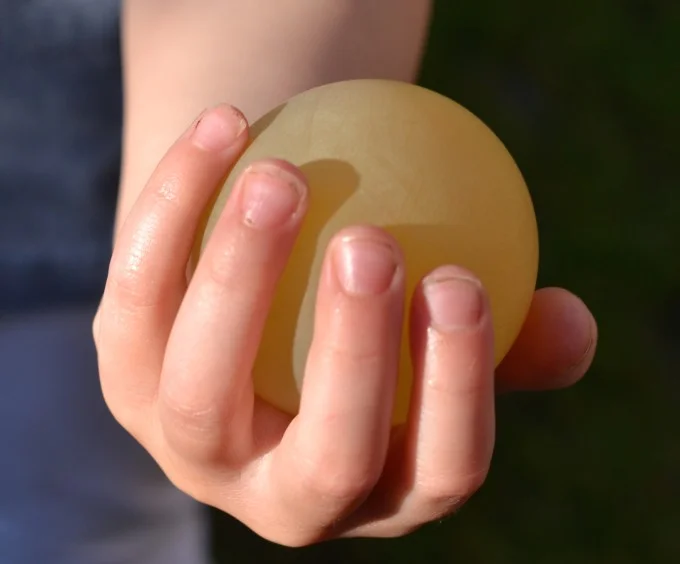
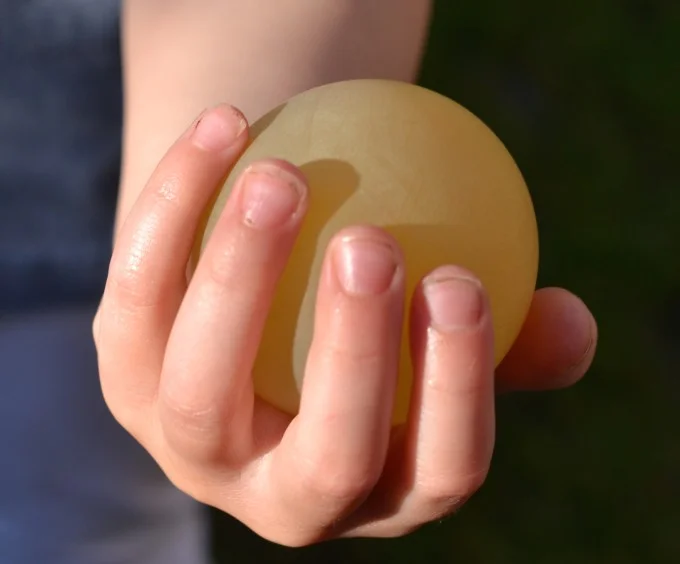
Have you ever seen an egg without its shell? Known as a naked egg, this intriguing experiment combines simplicity and educational value, making it perfect for kids and adults alike. The process involves using vinegar to dissolve the eggshell while preserving the inner membrane. This experiment not only captivates attention but also serves as a gateway to understanding fundamental scientific concepts.
You’ll just need a raw egg and some vinegar to start. This setup is not only affordable but also safe for young learners, making it an attractive option for parents and educators.
Creating the Naked Egg

Materials Needed
- Raw eggs
- A jar
- Vinegar
Steps to Remove the Shell
Begin by placing a raw egg in a jar and covering it completely with vinegar. This is the first step in a transformation that opens the door to fascinating scientific discussions.
Allow it to sit for 24 hours, then rinse it gently under cold water, rubbing the shell away. If any leftover shell remains, return the egg to the vinegar and recheck after a few hours. This process showcases how the egg can withstand the acidity of vinegar, yet the shell dissolves—an early lesson in chemical reactions.
As the shell dissolves, a powdery residue will appear. Once the shell is removed, the egg will feel rubbery and larger, due to vinegar seeping into the egg through the membrane, which is a display of osmosis. The membrane, often overlooked, plays a critical role in maintaining the egg's structure despite the absence of the shell.
Useful Tip
To expedite the process, consider changing the vinegar every three hours. This little tip can make a noticeable difference in the speed of the reaction.
Understanding the Reaction
The dissolution of the eggshell results from a reaction between acetic acid in the vinegar and calcium carbonate found in the shell. As the reaction occurs, you’ll observe bubbles forming, which are carbon dioxide being released. This visual aspect of the experiment can spark curiosity and discussions about gas, solutions, and chemical changes.
Activities with Naked Eggs
Experiment with bouncing your naked egg! Drop it from varying heights to see how resilient it is before it breaks. This simple yet effective demonstration can lead to considerations about material properties and physics, all wrapped up in a playful activity.
You can explore osmosis further: place the egg in colored water and watch it transform into the color of the liquid! This activity illustrates how substances interact at a molecular level while also providing visually striking results to keep everyone engaged.
Explore More Egg Experiments
Consider trying some other exciting egg experiments. These activities not only reinforce scientific principles but can also be a fun group activity, ideal for classrooms or family science nights.
Additionally, eggs serve as a model to learn about dental health, as their composition mirrors that of teeth, allowing for a tangible connection between science and everyday life. Engaging with such experiments makes scientific education accessible and memorable.
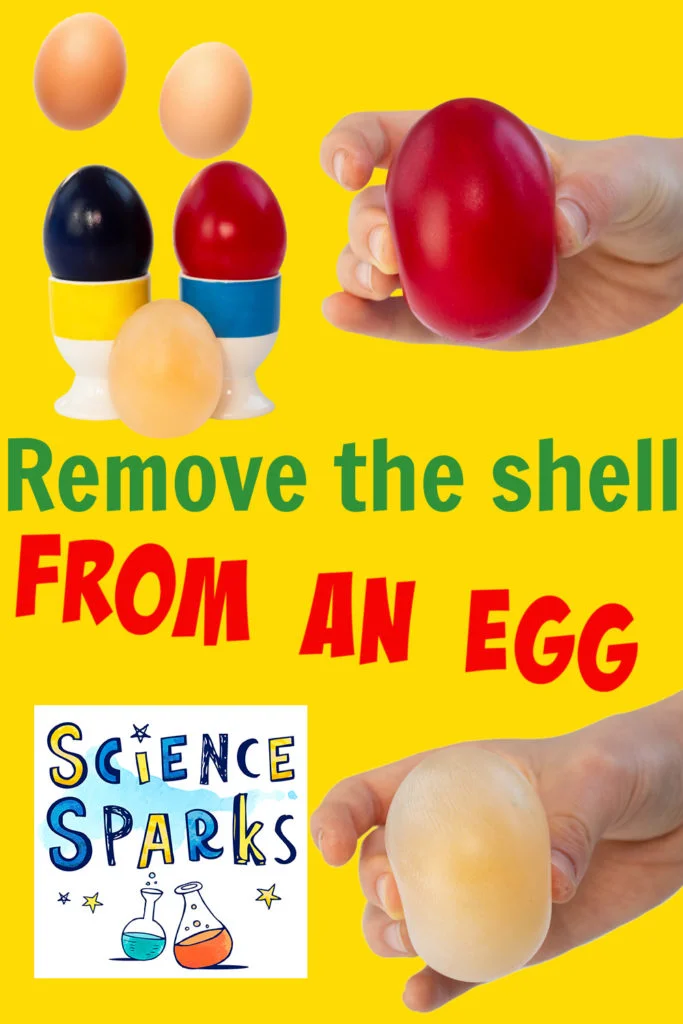
The post Creating a Naked Egg appeared first on Science Experiments for Kids.
Implications and Future Outlook
The naked egg experiment neatly encapsulates how engaging science can be. Not only does it provide foundational lessons in chemistry and biology, but it also captures the imagination. This type of hands-on learning is invaluable—it encourages curiosity and critical thinking in ways that textbooks often fail to achieve.
As education trends lean toward experiential learning, simple experiments like this one may see increased adoption in homes and classrooms. If you're working in this space, consider how easy it is to incorporate fun experiments into curricula to enhance understanding and retention of scientific principles. Simplifying complex subjects often yields greater success in educational outcomes.
Moreover, similar experiments can be expanded upon, creating a broader suite of activities that intrigue learners and foster a deeper connection to science. The naked egg might just be the tip of the iceberg. And who knows? The next classroom project could be the launchpad for future innovators in science.
Discussion
Sign in to join the discussion.