Uncover the mechanics of popping candy with hands-on experiments that demonstrate why Pop Rocks create their signature fizz and pop.
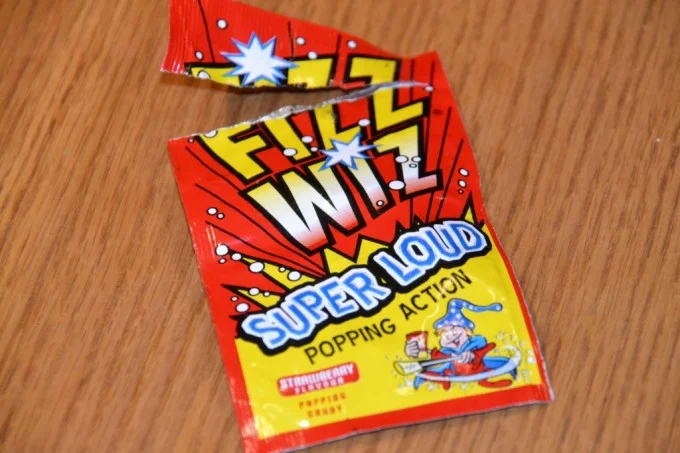
Have you ever wondered what makes Pop Rocks pop? A seemingly simple candy, but the mechanics behind it blend chemistry and physical reactions in fascinating ways. This inquiry not only hones in on the experience of eating these treats but also enhances our understanding of food science through practical investigation.
Understanding Popping Candy
Experiencing the unique sensation of Popping Candy is a joy many remember fondly, as the little candies burst delightfully on the tongue. For many, it's not just the strange auditory experience but also the unexpected tactile feedback that sets this candy apart. The popping phenomenon is more than just a gimmick; it engages our senses in a way that few other confections can. With its unique texture and sound, Popping Candy has carved a niche in the candy market that remains popular across generations. From childhood memories to nostalgic cravings, it's a sweet that sparks conversation.
Conducting the Popping Candy Experiment
To dive deeper into the science of this confectionery marvel, we tested Popping Candy in three different liquids: oil, water, and vinegar. This experiment gives you the chance to observe firsthand how different environments affect the candy's popping capabilities. Here’s what you need for your experiment:
- Popping candy / Pop Rocks
- Three bowls
- Oil
- Water
- Vinegar
- Optional: other liquids for further testing
Instructions:
- Open the Pop Rocks package and place a small amount in each bowl.
- Add water to one bowl, oil to another, and vinegar to the last.
- Observe the reactions that occur.
In our testing, we noted that the candy in the oil remained unaffected, demonstrating how the lack of moisture keeps the gas trapped inside the candy. Interestingly, the candy mixed with water bubbled and fizzed gently. The interaction here mimics what happens in our mouths when we eat Pop Rocks. Here’s the thing: while the viscosity of oil might preserve the candy’s structure, water replicates the conditions under which these candies were designed to perform.
The Chemistry Behind It
Pop Rocks are created by heating their ingredients and then introducing carbon dioxide at high pressure. This process traps tiny gas bubbles within the candy matrix. When you eat the candy, saliva helps break it down, releasing the carbon dioxide gas, which is responsible for that characteristic popping sound. This isn't just a random effect; it’s a carefully engineered interaction between the candy and saliva, highlighting the candy's playful design. The sensation of popping is almost like having a chemical reaction on your taste buds.
The water mimics saliva's effect effectively, causing the candy to lose gas in a similar manner, which you could observe in your experiment. On the contrary, oil keeps the candy intact, lacking any chemical reaction because it doesn't break down the candy structure. The reaction in vinegar was notably quicker due to its acidity, causing a more vigorous release of gas. The varying reactions across these three liquids illustrate how environmental factors can significantly alter chemical processes, a valuable lesson in both chemistry and culinary arts.
Further Experiments with Pop Rocks
What else can you try? The possibilities are pretty extensive. You might consider using fizzy drinks, as the carbonation could provide a novel twist, resulting in even more intriguing reactions. Or, if you’re adventurous, you could invent a method to protect the Pop Rocks while submerged in water, perhaps encasing them in something porous that allows the gas to escape while minimizing the direct impact on the candy itself. This can enhance your understanding of both candy composition and reaction kinetics.
If you're curious for more kitchen science fun, check out our collection of 50 exciting experiments! Exploring science isn't just for academics; it can happen right in your kitchen.
Implications and Future Outlook
The science behind Pop Rocks isn't just a novelty; it's a lens through which one can explore broader scientific principles. Understanding the mechanics behind this candy can lead to greater appreciation of food science and chemistry in everyday life. Such experiments not only spark curiosity but can also inspire innovations in food technology. For instance, advances in candy manufacturing could explore how to trap gases more effectively or even incorporate flavors that react differently in various environments. If you’re working in this space, the intersection of food and chemistry remains ripe for investigation, promising fun and profit alike.
You can't underestimate how such simple experiments can engage the imaginations of both children and adults, fostering a love for science. So next time you pop a piece of candy in your mouth, think about the chemistry—it's a popping success story in every bite.
Discussion
Sign in to join the discussion.