Explore the science of density with a fun experiment to make a lemon sink, revealing insights into buoyancy and fruit characteristics.
The Floating Lemon Challenge
Lemons are notorious for floating on water, but have you ever tried to make one sink? Dive into this simple science activity, especially crafted for those keen to grasp the concept of density while impressing friends! It's not just a trick; it's a compelling intersection of science and play.
Gather Your Supplies
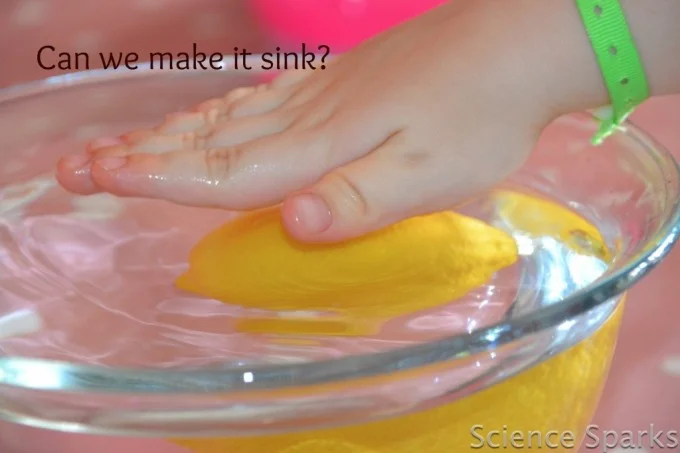
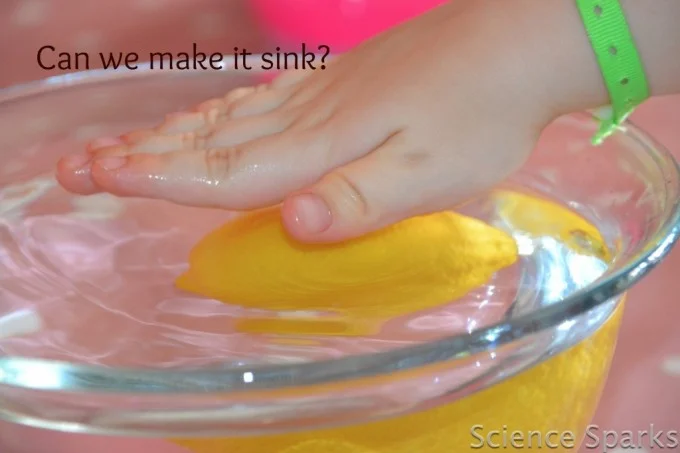
To embark on this floating challenge, gather a bowl, water, and a lemon or orange. Initially, attempts to push a lemon underwater met with resistance; it would invariably pop back up. This simple act highlights a fundamental principle of physics and the characteristics of various materials. It invites curiosity, leading you to ponder: why do some objects rise while others sink?

Chopping the Lemon into Smaller Pieces
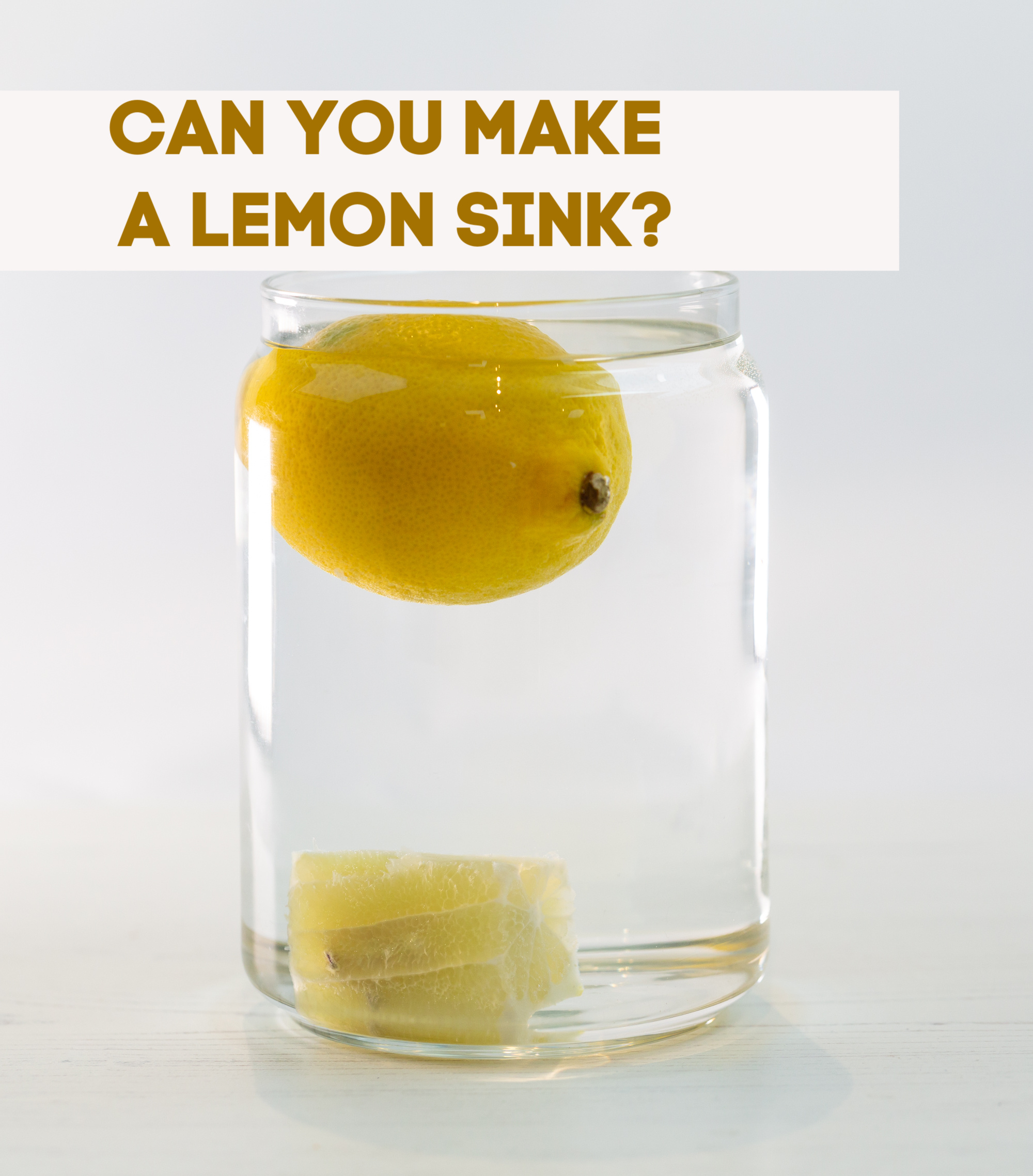
Chopping the lemon into smaller pieces seemed like a viable solution; without the waterproof skin, water should penetrate the pulp, increasing its weight. Surprisingly, the small segments continued to float. This prompts deeper thought about why this phenomenon occurs. What physical properties are at play that continue to render these pieces buoyant, despite our expectations?

Upon removing the skin, we discovered that the bits did sink. This prompts an interesting question: why does this happen? If you break down the elements at play here, you’ll find that the skin’s structure plays a pivotal role in density and buoyancy.

The Mechanics of Floating Lemons
Lemons float primarily due to their thick, porous skin, which traps air. This trapped air decreases the overall density of the fruit, allowing it to remain buoyant. It’s a wonderful illustration of how minute differences in structure can lead to vastly different outcomes in the physical world. In this lesson of science, one might reflect on the broader implications of density and its effects on objects we encounter every day.

Exploring Other Fruits: A Density Prediction Game
What about other fruits? As you think about the floating lemon, it might be intriguing to predict which fruits will float or sink based on their density. You'll find that simple experiments can heighten your understanding of buoyancy. The variations in density and structure among different fruits add yet another layer of complexity to this exploration.
The Science Behind Floating Objects
The principle of density explains why items float. Objects denser than water sink, while less dense items float. A whole lemon’s density is offset by the air within its skin. When objects float, they displace water, raising the water level—something you might observe when you step into a bath. These fundamental principles of physics not only apply here; they’re everywhere in nature. The way objects interact with their surroundings invites curiosity and sometimes, lifelong learning.
More Science for Kids in the Kitchen
For more fun in kitchen science, you can check out other exciting experiments like discovering why pineapple inhibits jelly setting, making meringue, or exploring the butterfly life cycle. The kitchen holds a treasure trove of opportunities for hands-on learning, often overlooked in formal education but rich with exploration potential.
You can even create a lemon battery or use the rind to test a fruity boat. These simple experiments not only educate but also inspire creativity.
The post Understanding Why Lemons Float and How to Make Them Sink appeared first on Science Experiments for Kids.
Implications and Future Outlook
This exploration of lemons and buoyancy goes beyond a mere kitchen experiment. It’s a touchpoint for understanding basic scientific principles. If you're working in this space, you can appreciate how such activities can serve as educational tools. Engaging in these hands-on experiments may not just be a fleeting moment of fun; they can lay the foundation for a future in science, technology, engineering, or mathematics (STEM). As education continues to evolve, integrating such practical applications could play a significant role in how we nurture curiosity and analytical thinking in young learners.
Discussion
Sign in to join the discussion.