Explore a hands-on baking soda experiment that demonstrates basic science concepts through fizzy and colorful rock creations.
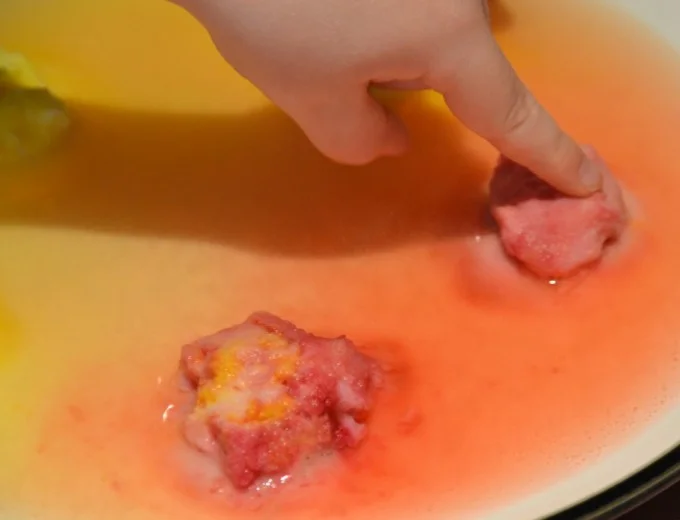
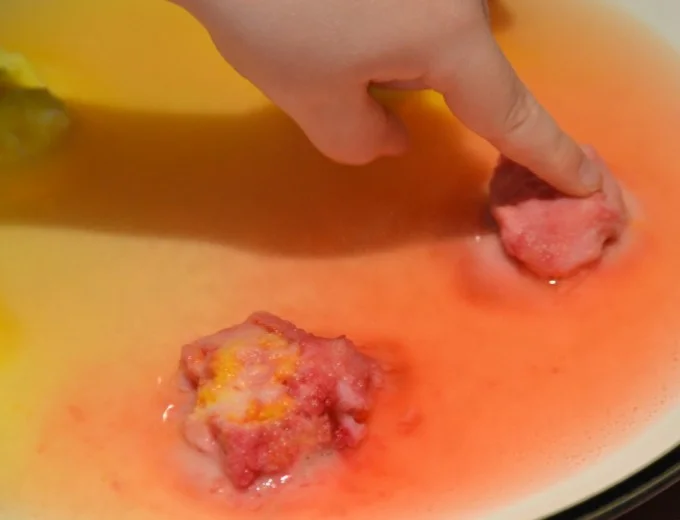
This baking soda experiment invites curiosity and experimentation. Shared generously by Reading Confetti, the "fizzing rocks" project combines simple ingredients for a fun and educational activity that many parents and educators find appealing. This approach capitalizes on the hands-on experiences that engage children, fostering not only scientific understanding but also the joy of discovery.
The Importance of Hands-On Learning
Experiments like this one highlight a critical trend in education: the shift towards experiential learning. Research consistently shows that students retain information better when they can interact directly with the material. By observing a chemical reaction firsthand, children are more likely to grasp the underlying principles than if they were simply reading about them in a textbook. This distinction between passive and active learning can't be understated. It plays a pivotal role in shaping young minds and encouraging a love of science and inquiry.
Moreover, the accessibility of the materials required for this experiment—a common kitchen staple in baking soda and vinegar—removes barriers to participation. This accessibility is essential in educational settings, where funding and resources can often limit the scope of scientific exploration. If you’re working in this space or raising kids, consider how easy-to-access experiments can spur interest in STEM fields without the need for costly lab equipment or special supplies.
How to Make Fizzy Rocks
You’ll Need
- Water
- Bicarbonate of soda (baking soda)
- Vinegar
- Food coloring
Instructions
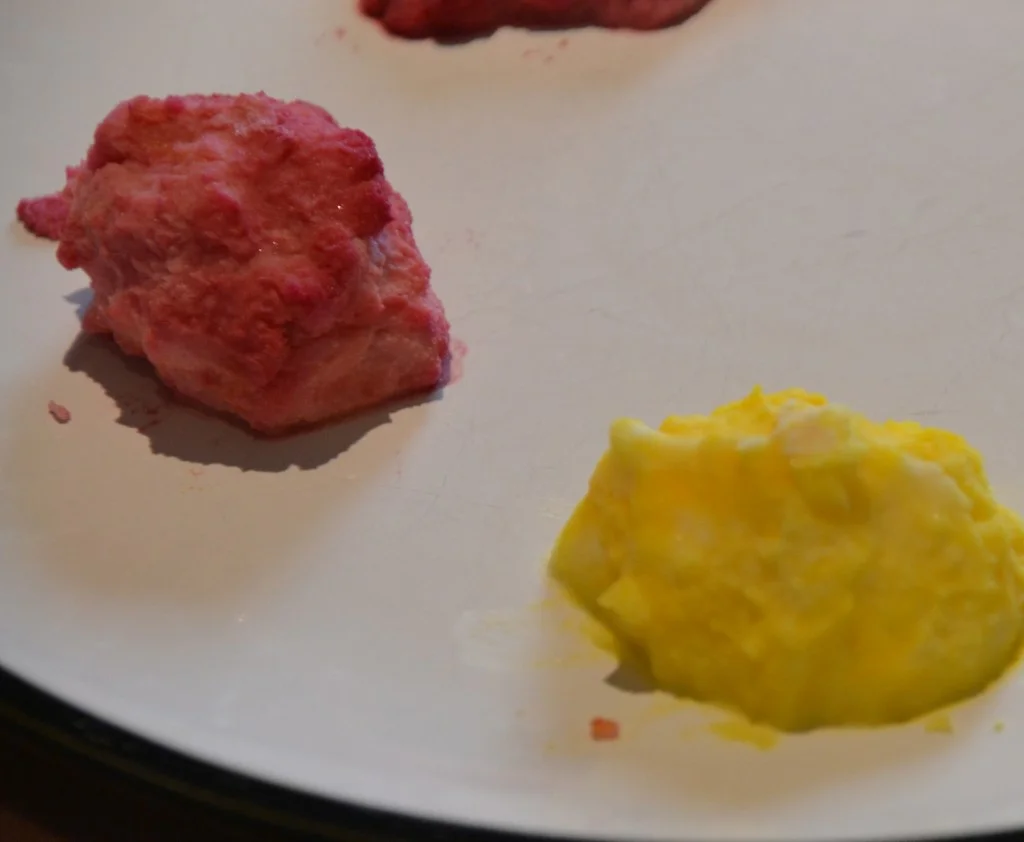
Start by mixing baking soda with water to create a thick paste—about a whole packet should do. Once you achieve the desired consistency, stir in a few drops of food coloring, mold the mixture into rock shapes, and let them dry for a few hours. This part of the process emphasizes creativity and can lead to unique shapes and colors, adding an artistic flair to the scientific endeavor.
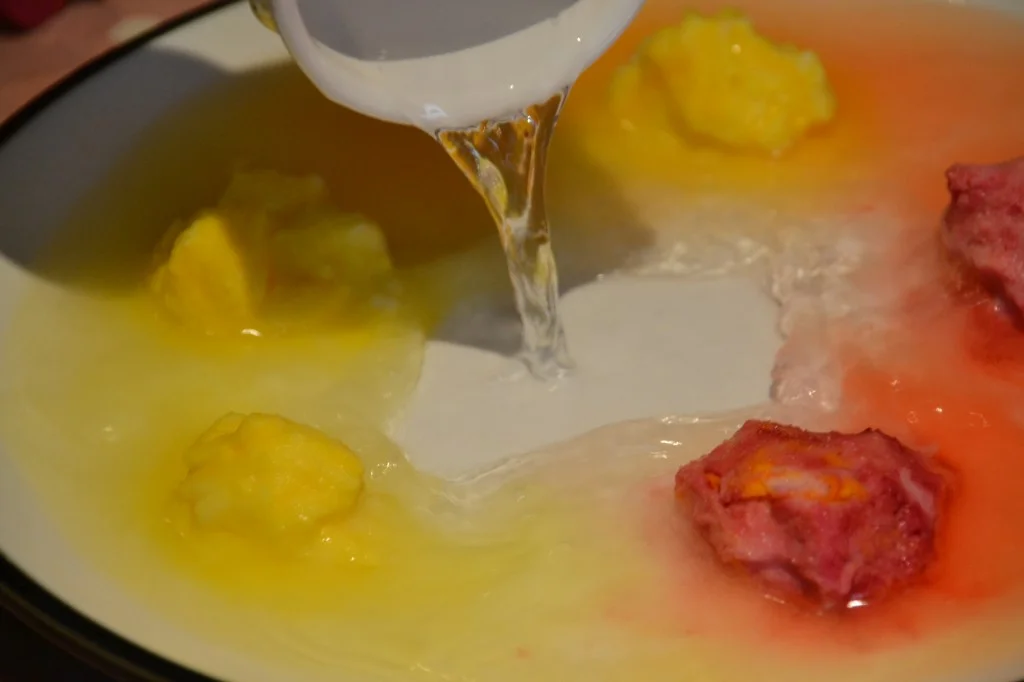
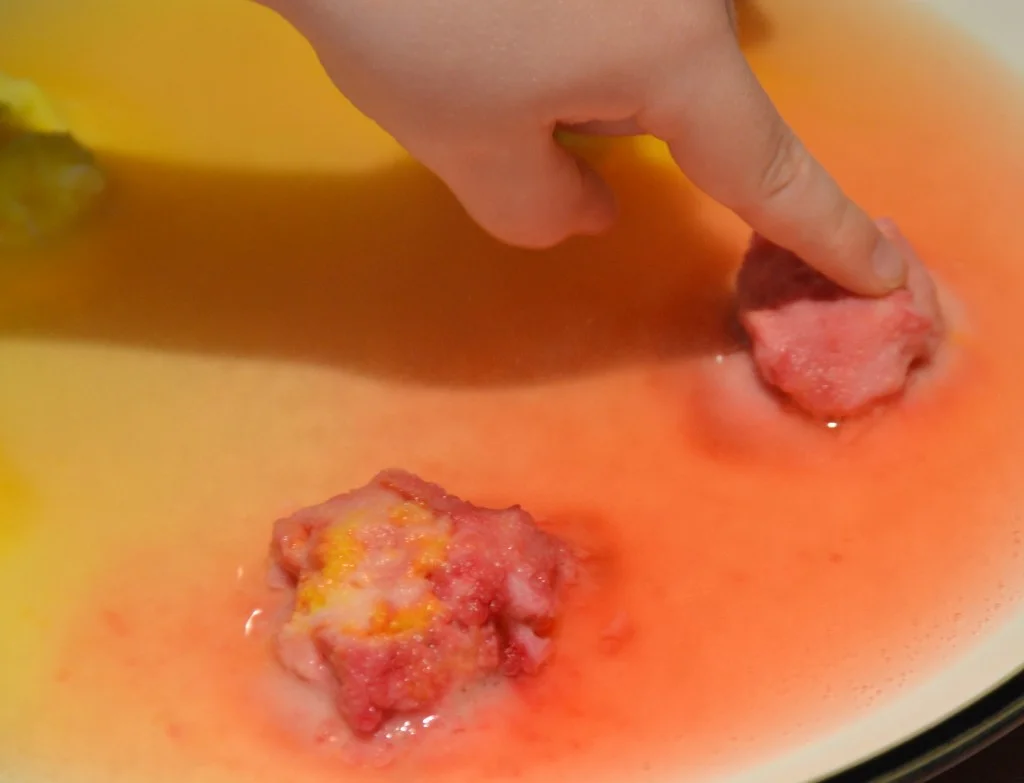
After the rocks have hardened, here comes the fun part: add vinegar slowly and observe the fizzing and dissolving reaction. This moment often draws the most excitement from kids, who eagerly anticipate the resulting eruption of bubbles. That's when the learning really hits home. They witness in real-time how chemical reactions manifest, bridging the gap between theory and practice.
The Science Behind Baking Soda Rocks
The reaction between vinegar (an acid) and bicarbonate of soda (an alkali) neutralizes each other, producing carbon dioxide gas. This gas creates the bubbly reaction that users witness. Understanding this chemical interplay opens the door to deeper discussions about acids and bases, not just in a controlled environment but throughout everyday life. Concepts like pH, natural reactions, and chemical properties come into play, enriching students' educational experience.
This is more significant than it looks. It forms a foundational understanding of chemistry, a branch of science that many students find daunting. By introducing scientific concepts through enjoyable activities, educators can dismantle fear and replace it with curiosity. That's crucial for fostering a positive attitude toward future science studies.
Other Ideas
Consider enhancing the experiment by embedding small objects in the rocks before dissolving them in vinegar. This method not only adds an element of surprise but also serves as a conversation starter about the chemical effects on various materials. Alternatively, create a single large rock to determine how much vinegar it takes to fully dissolve. This variation introduces additional measurements and calculations, allowing for more complex learning.
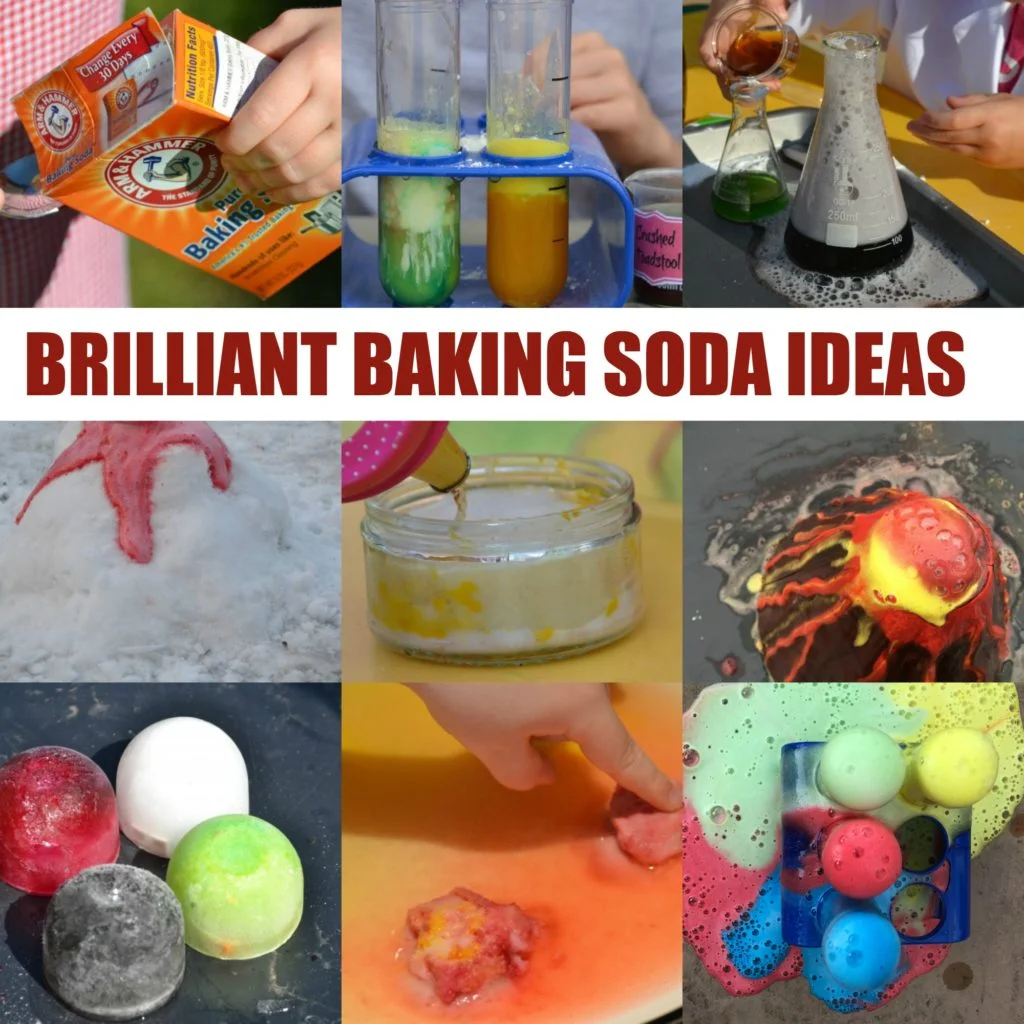
You might also explore more engaging baking soda experiments such as those found in this collection. The beauty of baking soda is that it can be used in a variety of experiments, presenting endless opportunities for exploration and hands-on learning.
The project demonstrates fundamental chemical reactions while keeping it fun and engaging for all ages. (and this is the part most people overlook) This overlap of fun and education reinforces the inherent link between play and learning, suggesting that the best way to grasp scientific principles might just be through laughter and excitement.
Implications and Future Outlook
As education continues to evolve, hands-on experiments like the fizzing rocks project promise not only to enhance learning but also to promote a sustained interest in science among younger generations. This kind of engagement can build confidence, pushing students to explore complex scientific topics later on. The more we integrate enjoyable, low-cost experiments into curricula, the more likely we are to inspire future innovators in science and technology.
The implications extend beyond educational institutions. Parents, home-schooling advocates, and community centers can adopt such experiments to advocate for science literacy from a young age. Making science approachable can transform barriers into bridges, enabling children to embrace exploration without intimidation. In an age where scientific understanding is paramount, the accessibility and simplicity of projects like these could pave the way for greater public engagement in scientific discourse.
Discussion
Sign in to join the discussion.