Explore the fascinating science of honeycomb bubbles and discover how simple ingredients can create this delicious treat.
The Science of Honeycomb Bubbles
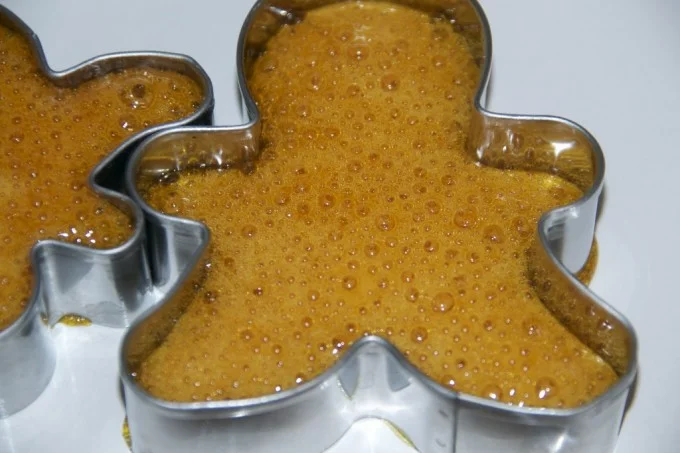
Honeycomb, with its characteristic bubbly structure, captivates not only the taste buds but also the curious mind. The key to its airy texture lies in a simple kitchen chemistry experiment involving bicarbonate of soda. When heated, this ingredient decomposes, releasing carbon dioxide gas, which causes the syrupy mixture to froth and form bubbles. Once cooled, these bubbles are trapped, solidifying the honeycomb into its signature form.
This artistic play of chemistry and cooking is a fascinating phenomenon. When you dig into how honeycomb is made, you're not just learning about a confectionery delight; you're witnessing the principles of gas expansion and heat reaction in action. The underlying science isn't overly complex, yet the visual and textural results can be quite dramatic. In many ways, honeycomb serves as an accessible introduction to the wonders of chemical reactions, making it a favorite among both budding chefs and seasoned professionals.
Crafting Honeycomb at Home
If you're eager to try making honeycomb yourself, here's a quick recipe:
Ingredients Needed
- 100g of sugar
- 1 tablespoon of water
- 2 tablespoons of golden syrup
- 1 teaspoon of bicarbonate of soda
Steps to Create Your Honeycomb
- Combine all ingredients except the bicarbonate of soda in a saucepan over low heat.
- Prepare a baking tray lined with foil.
- Stir until the sugar dissolves, then increase the heat until boiling while stirring occasionally.
- Remove from heat and add the bicarbonate of soda. Stir vigorously as it fizzes up.
- Quickly pour the mixture into the prepared tray and let it cool until solid.
- Bite into your sweet creation or use it as a topping for desserts!
This process is simpler than it seems, yet many may overlook the small details that can have significant impacts on the final product. For example, controlling the temperature while boiling the sugar mixture is vital. If it's too low, the reaction may not happen adequately; too high, and you'll risk burning the sugar or creating an overly hard texture. Cooking, after all, is just as much science as it is art.
Why Is Honeycomb Full of Bubbles?
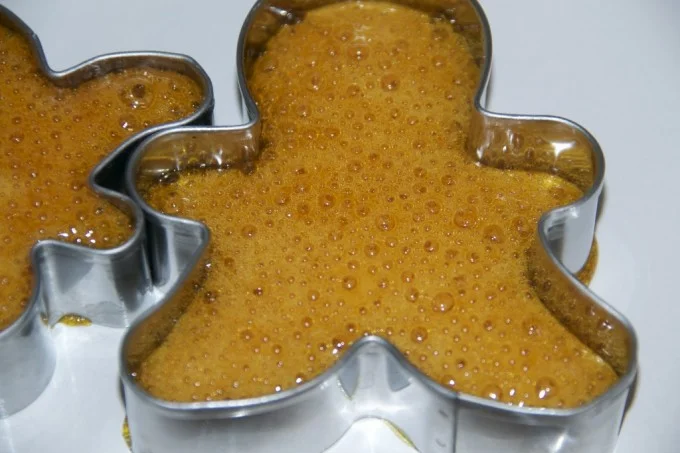
The secret to honeycomb's delightful bubbles is the chemical reaction between the added bicarbonate of soda and heat, which produces carbon dioxide gas. This process transforms a simple sugar mixture into an intriguing, frothy treat as the gas becomes trapped when the mixture cools. This makes honeycomb not just a tasty snack, but also an exciting instance of kitchen science.
The physical properties of the bubbles in honeycomb play a significant role in its structure, often overlooked by those indulging in its crunchy texture. Each bubble creates a pocket of air, which contributes to that lightness that sets honeycomb apart from denser confections. The balance between sugar concentration, heat, and timing can affect how many bubbles form and how stable they remain, adding a layer of complexity to what might seem like a straightforward cooking task.
Implications and Future Outlook
What does all this mean for those interested in culinary chemistry? The appeal of food science is growing, as consumers and home cooks alike seek to deepen their understanding of cooking techniques. As they explore recipes like honeycomb, they're engaging with fundamental principles that can expand their abilities across various cooking styles. This might explain why more cooking shows and blogs are focusing on the "why" behind recipes, rather than just the "how."
If you're working in this space, tap into this heightened curiosity. There's an opportunity to present traditional concepts through a scientific lens, merging instruction with insight. Honeycomb might be a simple recipe, but it opens the door to discussions about food chemistry, the role of heat in cooking, and the sensory experiences tied to texture and flavor. That's not just a culinary trend — it's a shift towards more informed eating and cooking practices.
Moreover, this simplistic recipe has implications beyond just dessert. The techniques learned could pave the way for tackling more complex dishes, allowing even amateur cooks to experiment bravely in their kitchens. As educational resources continue to proliferate and interest grows, we may very well see amateur chefs innovating in ways that even seasoned professionals couldn’t have predicted. That's the excitement of kitchen science; it’s ever inviting.
Discussion
Sign in to join the discussion.