Explore the science of milk curdling, a process that transforms milk into curds, and its applications in cooking.
Curdling refers to the fascinating transformation of liquid into a semi-solid or solid. This process is particularly evident when working with milk in simple experiments, showcasing fundamental principles of food science that are accessible to anyone interested in the subject.
Milk consists of proteins, fats, sugars, and water. The primary proteins present, namely casein, are suspended in the liquid, creating a mixture known as an emulsion. When an acid is introduced to milk, its pH decreases, prompting the proteins to coalesce, leading to the formation of curds. This process is not just an experiment for kids; it serves as a fundamental chef's skill in different culinary traditions.
The Science Behind Curdling
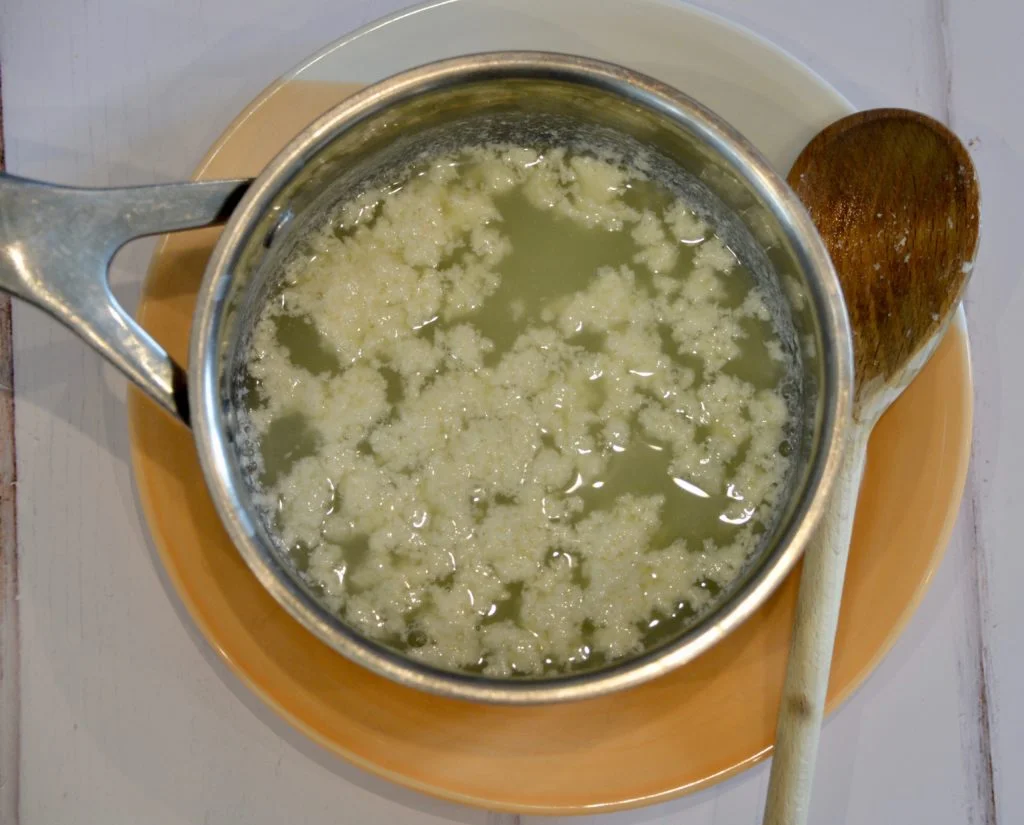
Understanding curdling is key to grasping how proteins behave in various conditions. In simple terms, casein molecules are hydrophobic, meaning they shun water. An acid like lemon juice or vinegar changes the environment, causing these proteins to bond together and form clumps—essentially, curds. The leftover liquid, known as whey, is mainly water but also contains lactose, minerals, and some protein. The visual transformation of liquid milk into clumps in a matter of minutes illustrates basic elements of chemistry through a lens that many can appreciate: food.
You’ll Need
- Orange or lemon juice
- A glass
- A spoon
- Milk
- A sieve
Method
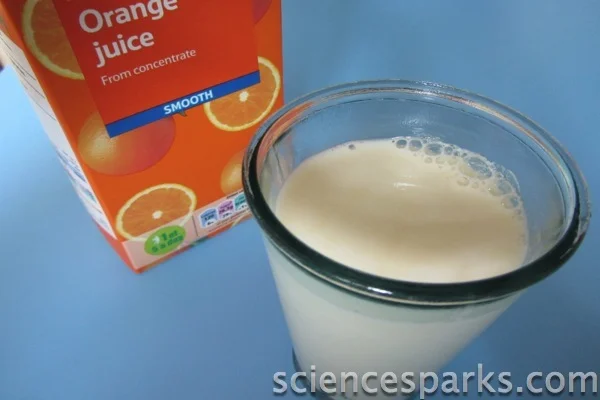
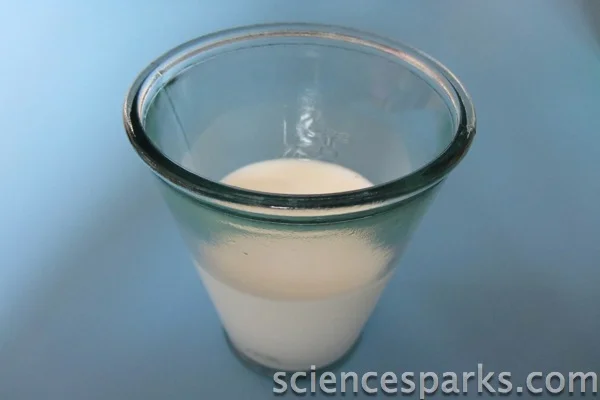
- Fill the glass halfway with milk and observe its appearance and texture. Notice the creamy color and how it flows. These attributes are essential for understanding the physical properties of this emulsion.
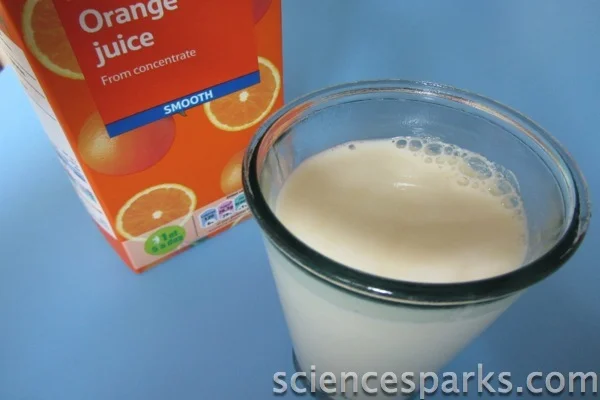
- Top off the glass with orange juice and stir to see what happens. The immediate reaction is where the magic occurs—watch as the milk begins to curdle, illustrating the chemistry of acid-base reactions.
- Alternatively, heat the milk and add vinegar to observe curdling as well. This method introduces heat into the equation, which can accelerate the separation process. It’s fascinating how temperature influences molecular motion, further driving the curdling reaction.
Why Does Milk Curdle?
Curdling often suggests a misstep in cooking, typically due to improper acid addition or prolonged heating. However, curdling also plays a vital role in cheese production, with soft varieties like ricotta and brie derived from this process. These cheeses capitalize on controlled curdling to achieve desirable textures and flavors, a practice that's both an art and a science.
Different cultures utilize curdling in diverse ways. In some regions, curdling is yet another step in making well-loved dishes. If you're working in this space, understanding the science behind curdling can open up a world of culinary possibilities. The tactile nature of curds invites experimentation; various acids and heat levels yield various results.
Implications and Applications
Curdling is more than just a fun science experiment—it's deeply embedded in food production and safety practices. For instance, food safety protocols often emphasize avoiding unintentional curdling, which could indicate spoilage. The implications stretch to industries where dairy stability is crucial, such as manufacturing and transportation. When milk curdles unexpectedly, it can lead to significant product losses and spoilage. This can impact everything from consumer trust to bottom-line profits, making understanding curdling essential for food processors.
On the educational front, the ability to witness curdling firsthand can ignite curiosity in science among students and adults alike. Experiments using milk serve a dual purpose: they teach about food chemistry while also encouraging engagement with science. It’s a relatable entry point into more complex scientific principles, offering real-world applications that can inspire future innovators. Culinary schools also prioritize knowledge about curdling, as recognizing desirable versus undesirable curdling can significantly affect final dishes.
So, what does this mean for future cooks and food scientists alike? With the global focus on sustainability and resourcefulness in the kitchen, understanding how to manipulate milk through curdling can lead to creating products that are lower waste and maximally flavorful. This straightforward transformation can redefine how we approach food preparation, leading to exciting developments in home and commercial kitchens.
The post Why does milk curdle? appeared first on Science Experiments for Kids.
Discussion
Sign in to join the discussion.