Explore a hands-on engineering challenge that teaches kids about structural stability through the fun of building with marshmallows and spaghetti.
The Power of Play in Learning
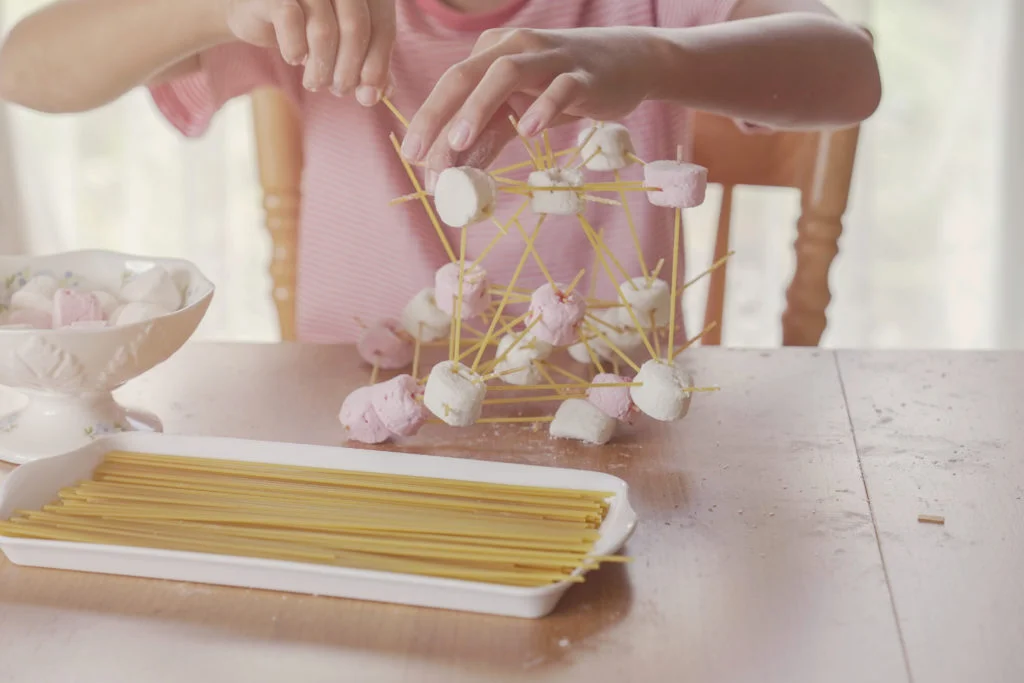
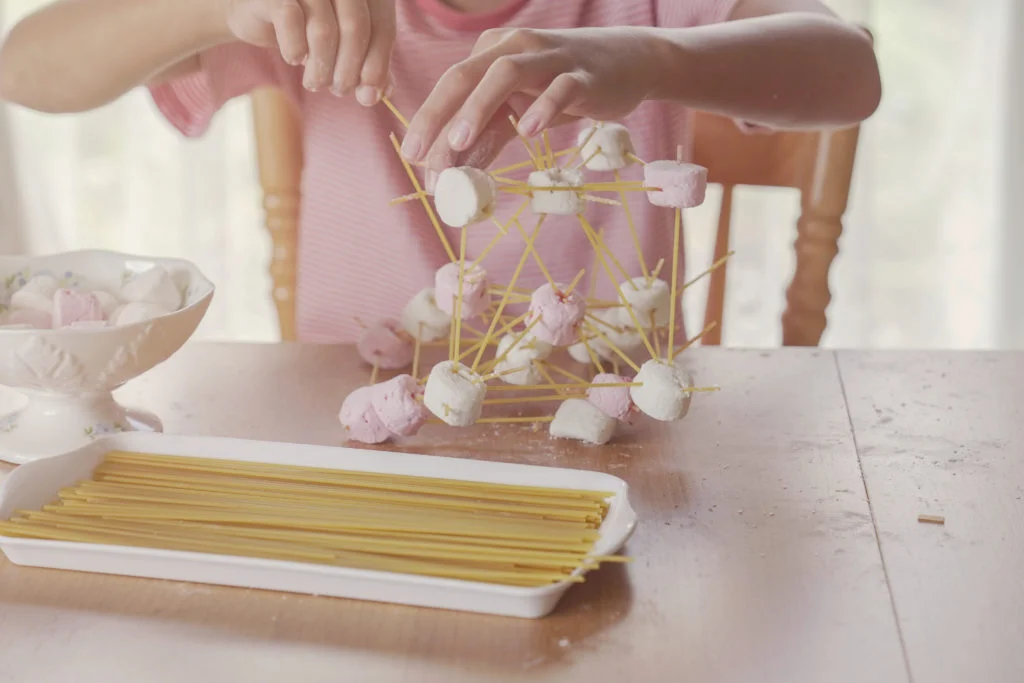
Introducing marshmallows and uncooked spaghetti into your child's playtime can lead to a delightful engineering exercise. At first, my kids mistook our setup for a quirky dinner, but soon they were engrossed in building their own structures. This kind of activity taps into children's natural curiosity and propensity for exploration. The materials are familiar, yet the project transforms them into tools for creativity and critical thinking.
Play isn't merely a way to pass time; it serves a significant role in cognitive and social development. Activities like this allow children to experiment with concepts such as balance, force, and stability while having fun. It's an engaging way to introduce the fundamentals of engineering without the overwhelm that often accompanies more formal education methods.
Age Adaptability and Learning Styles
This project is suitable for a broad age range and adaptable to different levels of understanding. For example, my 2-year-old enjoyed freely assembling spaghetti and marshmallows, while my 4-year-old and I approached it more systematically, focusing on creating a vertical tower. This tiered approach highlights the value of differentiated learning—where different techniques suit various age groups and skill levels. Children thrive when given opportunities that align with their developmental stage.
That said, younger kids tend to explore with less structure, while older ones may need more directives to engage deeply with concepts. The simplicity of the materials allows for an open-ended exploration that can evolve as the child's cognitive abilities do. You'll find that the activity fosters both creativity and critical thinking, regardless of age.
Challenges and Concepts within the Activity
As the challenge escalates with older kids, they can dive into the concepts of strength and geometry. Exploring strong shapes and determining which ones can support their constructions adds a thoughtful element to the exercise. Children can begin to differentiate between shapes and their structural capabilities, setting the stage for deeper understanding in future learning scenarios.
Building their own structures allows for immediate discovery—children learn through trial and error. They might realize that certain configurations collapse while others stand tall, prompting questions about what went wrong and how to improve. (and this is the part most people overlook) This direct interaction with materials provides not only a sense of accomplishment but also encourages dialogue about the principles of physics and engineering.
How to Construct a Marshmallow Tower
Materials Needed
Uncooked spaghetti
Marshmallows
Building Instructions
Start by snapping the spaghetti into manageable lengths. Insert the ends into the marshmallows to form various shapes. We began with a cube, but under weight (in our case, a stuffed bear), it leaned, leading to discussions on reinforcement methods. Adding diagonal supports effectively stabilized the structure. It's fascinating how this simple exercise triggers discussions about architectural principles, even among the littlest builders.
Experimenting with different configurations was also entertaining. While many designs led to triangular shapes—often the most stable—we tried numerous other forms, which sparked playful creativity. The iterative process of building and testing fosters resilience, as children come to understand that failure is often just a stepping stone to success.
Making It Competitive
For added fun, challenge family or friends to see who can construct the tallest tower or experiment with different marshmallow sizes to see what works best. This competitive element brings a sense of urgency and excitement to the task, reinforcing the idea that learning can come from both collaboration and individual effort. It also introduces another layer of inquiry—what variables impact the outcome?
Principles of Stability
Triangles provide excellent structural integrity. When constructing, paying attention to the center of gravity is vital; wider bases support stability and deliver a lower, centralized center of gravity. Understanding these principles isn't just background information; they are key for children if they wish to pursue interests in engineering or architecture.
Explore More Engineering Activities
If you're intrigued by strong structures, explore the eggshell bridge project. Consider constructing a famous landmark from newspaper or delve into bridge building challenges using various materials to test strength. Each new activity introduces fresh concepts and challenges, expanding the horizons for hands-on learning experiences.

Implications for Education and Future Learning
The value of hands-on experiments cannot be overstated. As education continues to embrace STEM principles, activities like marshmallow and spaghetti towers can bridge theory and practice for a new generation of learners. These kinds of projects allow children to grasp complex concepts in an enjoyable and relatable manner. They promote engagement and creativity, while possibly sowing the seeds for future career paths in engineering or design.
This project isn’t just a fun afternoon. It's an opportunity that can reshape how we think about education, especially in younger children. When educational activities resonate on a personal level, the lessons learned endure far longer than traditional classroom instruction.
The post Building Strong Structures: The Marshmallow and Spaghetti Challenge appeared first on Science Experiments for Kids.
Discussion
Sign in to join the discussion.