Learn how to create the captivating illusion of hot ice using simple ingredients and the science behind this astonishing experiment.
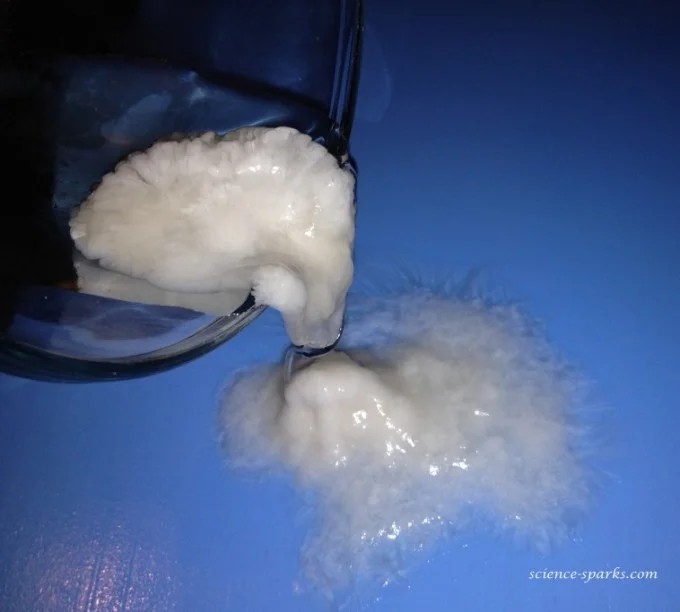
Science experiments that evoke wonder often blur the line between reality and illusion, and creating hot ice is one of them. This activity allows you to surprise friends by claiming, “I can make hot ice!”—a statement that might prompt skepticism. The unexpectedness of Ice that’s hot certainly fuels curiosity and invites further exploration of scientific principles at play.
Making Hot Ice
Here’s what you'll need to conduct this experiment:
- 1 liter of acetic acid (white vinegar)
- 4 tablespoons of bicarbonate of soda (baking soda)
- Pan for blending
- Hob for heating
- Jug for containing the solution
- Fridge for cooling the mixture
- Spoon for stirring
To initiate the process, pour the white vinegar into the pan. Gradually mix in the bicarbonate of soda, half a tablespoon at a time. As you stir, you'll notice fizzing due to the evolution of carbon dioxide gas. This gas release is part of the reaction that leads to the formation of sodium acetate, a fascinating compound with some intriguing properties.
Simmer this solution on the hob until it reduces to about 100 ml. This part requires some patience, typically taking about an hour. The evaporation of water from the solution is essential, concentrating the sodium acetate and allowing it to become supersaturated—an environment ripe for crystallization.
After simmering, transfer the reduced mixture into a jug, cover it, and place it in the fridge to cool for an hour. Chilling the solution prepares it for a surprisingly magical moment. Once cooled, as you pour the liquid out, it will begin to crystallize rapidly, forming structures that mimic ice. This phenomenon occurs because crystallization is an exothermic process—when sodium acetate crystallizes, it releases heat, which is why it feels warm to the touch and earns the moniker of hot ice.
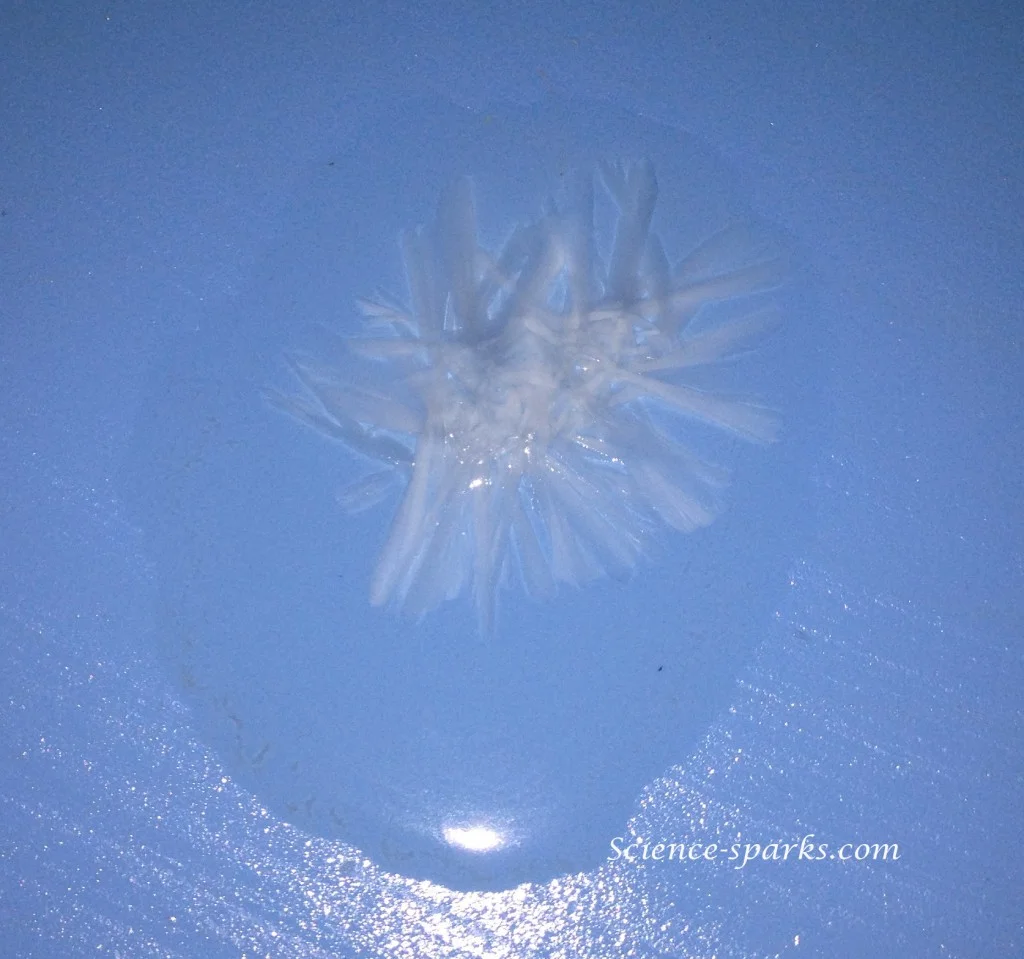
If you’re ready to perform the trick again, you can remelt the formed ‘icicles’. Just heat the jug in the microwave for about 40 seconds until the crystals dissolve, then cool it again in the fridge for an hour. However, should pouring the liquid not trigger crystallization, there’s another trick: simply warm your finger and gently touch the surface of the solution. That alone can trigger the crystallization process.
Understanding Hot Ice
Sodium acetate can exist as a supercooled liquid in the fridge, remaining liquid below its standard freezing point. This unique property adds layers of complexity to the chemistry involved. Disturbing it triggers crystallization, an exothermic reaction that generates heat—hence the fascinating term, hot ice. The visual effect is striking, but the real intrigue lies in the underlying physical principles.
Practical Applications of Sodium Acetate
Sodium acetate isn't just an academic curiosity; it has real-world applications that demonstrate its utility. Here are some common uses:
- Commonly used in heat packs and hand warmers, which often include a metal disc. Activating this disc starts the crystallization and heat release process. These hand warmers can be reused by boiling to melt the contents. The convenience and simplicity of this mechanism make it popular for outdoor activities or sports during colder months.
- Used as a flavoring agent in various food products, sodium acetate enhances taste and is often found in snacks like salt and vinegar chips. This practical application highlights the versatility of sodium acetate in daily life.
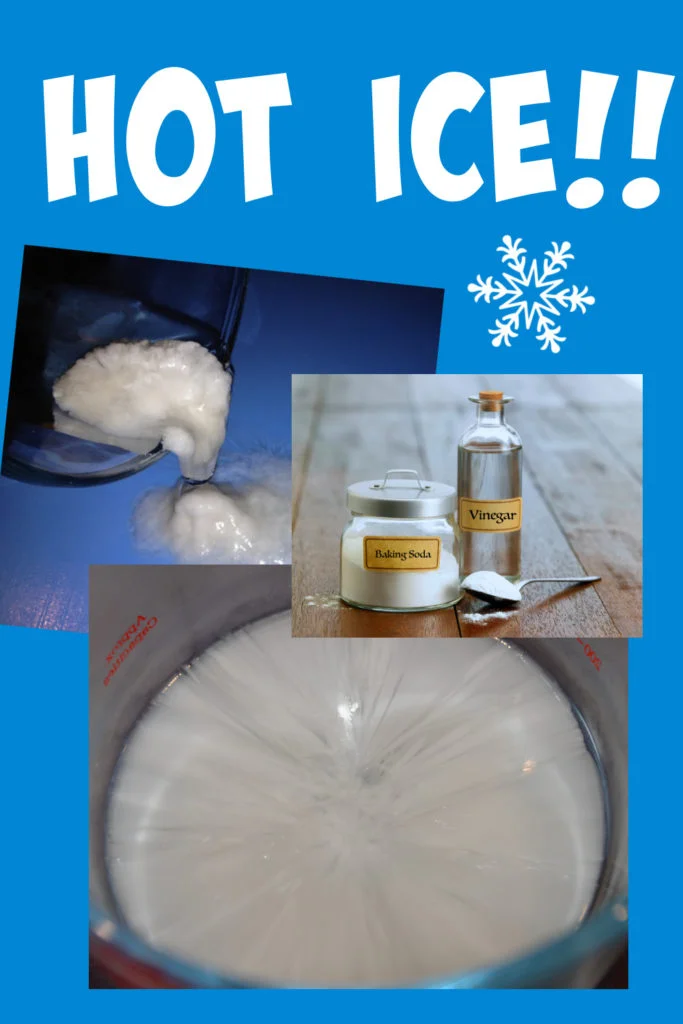
This captivating experiment not only demonstrates a remarkable chemical reaction but also provides practical insight into the properties of sodium acetate. Its simplicity makes it an excellent subject for classroom demonstrations, engaging students in scientific inquiry and the laws of thermodynamics.
Implications and Significance
Taking a step back, the creation of hot ice holds broader implications than just a neat party trick. It offers tangible lessons in chemistry that can spark interest in science among young minds. If you’re working in this space, highlighting such experiments could be a way to inspire future generations of scientists. Education doesn’t have to be dry; it can indeed be fun and interactive.
Moreover, experiments like this foster critical thinking. Observing how heat interacts with substances provides insights into physics and chemistry that extend beyond the basic curriculum. (And this is the part most people overlook.) We often dismiss these experiments as mere entertainment when they’re effectively tools for inquiry.
So, next time you whip up this hot ice experiment, remember: it’s more than a trick; it’s a gateway into the fascinating world of science.
Discussion
Sign in to join the discussion.