Explore how food decay occurs through microbial activity and discover effective methods to extend freshness, particularly for apples.
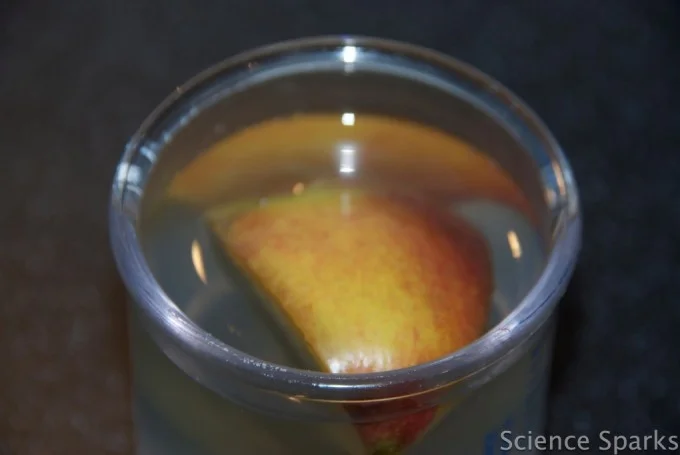
Have you ever left an apple out too long, only to find it wrinkled and unappetizing? The science behind food decay isn't just fascinating; it highlights a significant global issue—food waste. In fact, about a third of all food produced globally ends up as waste, contributing to environmental challenges. Understanding the causes and solutions can help us store food more effectively and reduce waste, which is essential in our context of increasing population and dwindling resources.
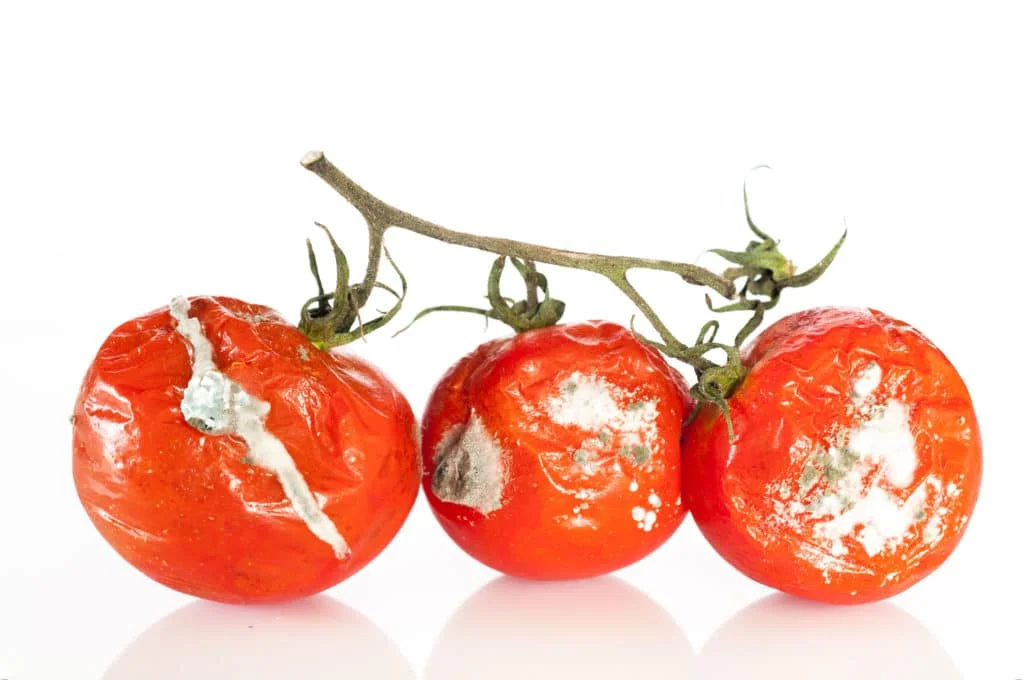
The Mechanisms of Food Decay
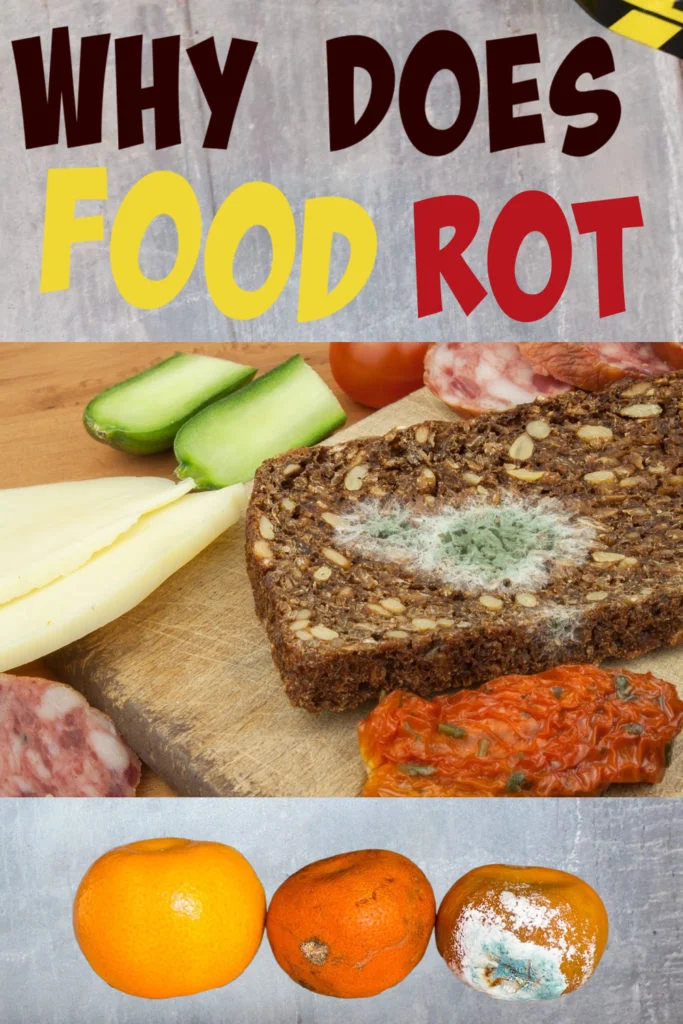
The primary reason food spoils is microbial activity. Bacteria, yeasts, and fungi thrive on organic matter, breaking it down in the process. This breakdown is not necessarily harmful; it's a natural part of the ecosystem, facilitating nutrient recycling. However, when this process occurs in your kitchen, it often results in unappetizing food. Storing fruits and vegetables in a refrigerator significantly extends their shelf life by creating an inhospitable environment for these microorganisms. Cold temperatures can slow down their metabolism and reproduction rates, thereby delaying spoilage. You might wonder, though, how effective are these methods in the long run? That’s where the complexities of food preservation come into play.
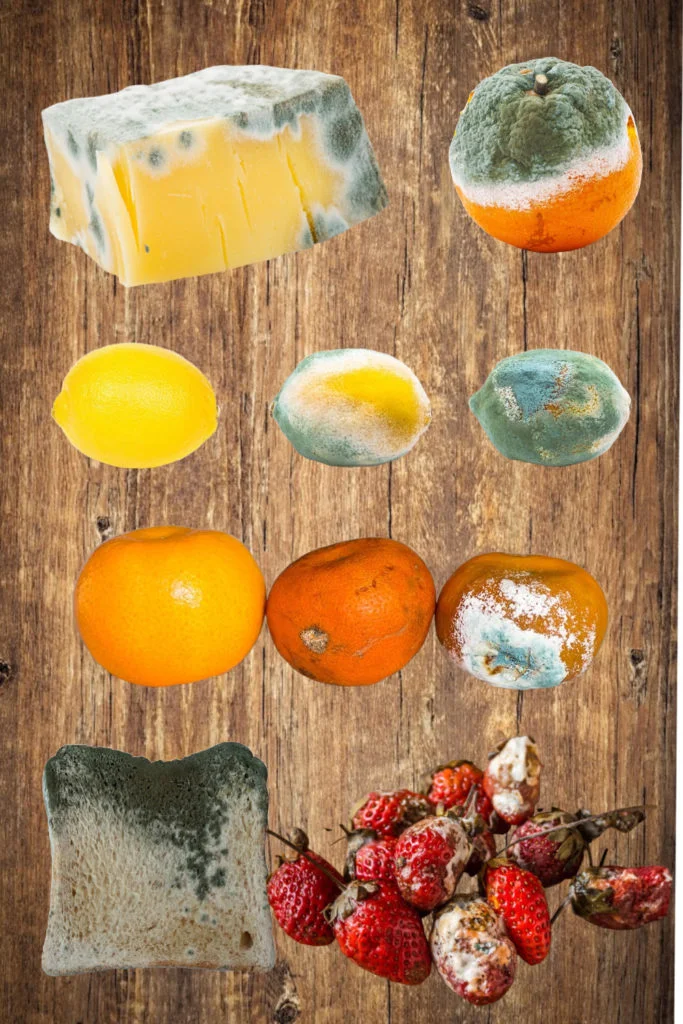
Preventing Apple Decay: An Experimental Approach
Here's an engaging experiment to test ways of preserving apples without refrigeration. This simple activity, while educational, also reveals how different substances affect spoilage differently. For example, various acids like vinegar and lemon juice interact with the apple's surface and composition in unique ways, impacting mold growth and decay rates.
Required Materials
- One apple
- Four containers
- Lemon juice
- Vinegar
- Salt water (one tablespoon of salt dissolved in hot water)
Instructions for the Experiment
- Cut the apple into four equal pieces.
- Put a piece of apple into each container.
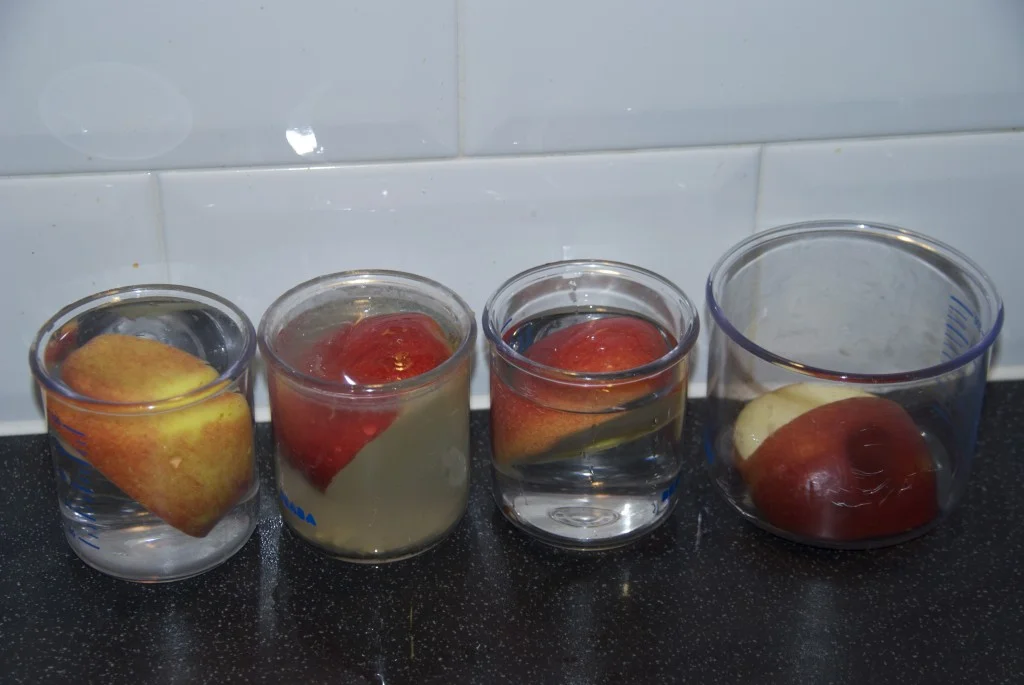
- Add an equal amount of lemon juice, vinegar, or salt water to each segment. Leave one exposed to air as a control.
- Let them sit for about a week in a cool spot and monitor the differences.
Results and Observations
The control apple, left in the air, has shriveled but showed limited mold growth. Surprisingly, this indicates that while exposure leads to moisture loss, it does not always correlate with rapid decay. You might think that the absence of molds means the apple is still safe to eat, but that’s a misconception. Looking at this from a microbial perspective, the apple is still undergoing changes—just at a slower rate compared to the other samples.

Apples treated with salt and vinegar remained the best preserved, thanks to salt's ability to draw moisture out and inhibit microbial growth. The osmosis process here is fascinating , as it showcases salt's power not just in flavoring, but in preservation as well. As moisture leaves the apple, it reduces the available environment for microorganisms to thrive.

Conversely, the apple in lemon juice exhibited signs of mold, likely due to the sugar content acting as a breeding ground for bacteria. While lemon juice is acidic, the sugars provide an environment where unwanted microorganisms can easily thrive. This underscores an essential aspect of food preservation: acidity must be balanced with sugar content, especially in fruits.

Techniques for Food Preservation
Food preservation methods hinge on slowing down microbial activity. Techniques like refrigeration, freezing, canning, and pickling aren't just old-school practices; they are tried-and-tested methods rooted in science. The ability of salt and vinegar to inhibit decay is notable; salt removes moisture while vinegar’s antimicrobial properties prevent mold growth. What’s fascinating here is how preserving can be as much an art as a science, often requiring a deep understanding of the biology behind food.
Exploring Additional Preservation Methods
Consider experimenting with other common household items like bicarbonate of soda or testing different fruits and vegetables. Each food item might react differently to preservation techniques, creating a unique experience. For more inspiration, check out preservation strategies for peppers. This approach can enrich your knowledge and provide practical skills as you tackle the issue of food waste.
Further Kitchen Experiments
For more fun science activities, explore egg experiments that teach various scientific principles through engaging tasks like creating a bouncing egg or making meringues! Science in the kitchen not only keeps kids busy but also fosters an appreciation for the science behind everyday phenomena.
Significance and Future Outlook on Food Preservation
By understanding the processes behind food decay and applying practical preservation methods, we can all contribute to reducing food waste in our daily lives. This isn’t just about personal choice, but also about collective responsibility. As technology advances, options for food preservation are likely to become more sophisticated, integrating smart systems that monitor food freshness automatically. New approaches may use biology to enhance traditional methods, creating synergistic effects that can dramatically decrease waste. If you're working in this space, it's worth keeping an eye on innovations that can transform how we think about food sustainability.
The insights shared provide a valuable perspective on addressing food spoilage and can inspire further exploration into effective preservation techniques. These lessons in microbial interaction and food chemistry can advance the dialogue on food waste reduction, prompting necessary changes in consumer habits.
Discussion
Sign in to join the discussion.