Explore the fascinating science behind Baked Alaska, where meringue creates an insulating layer that keeps ice cream intact through baking.
The Delicious Science of Baked Alaska
Baked Alaska presents an intriguing culinary puzzle: how can ice cream withstand heat without melting? This delightful dessert, which combines cold ice cream and airy meringue under a hot oven, captivates both taste buds and scientific curiosity. You might think of it as an edible experiment, merging gastronomy with a touch of chemistry. This contradiction—where cold meets hot—raises questions about the nature of temperature and protection in cooking.
Ingredients for Your Baked Alaska
To recreate this dessert, gather the following ingredients:
- Large cookies or sponge cake
- Ice cream of your choice
- 3 large eggs
- 200 grams of sugar
- Mixing bowl
- Whisk
- Baking tray
- Aluminum foil
- Oven
Each ingredient plays a significant role in the final outcome of your Baked Alaska. The cookies or sponge cake form a sturdy base that holds everything together, while the ice cream adds that classic cold element. The meringue, crafted from egg whites and sugar, provides insulation. It’s essential to choose flavors wisely; traditional vanilla or chocolate might be the go-to for many, but subtle fruit flavors can elevate the experience beyond the mundane.
Steps to Create Baked Alaska
Start by separating the egg yolks from the whites. Crack each egg over a bowl and catch the yolk in your hand, letting the whites slip through your fingers into another bowl—aim for minimal waste. This step might sound simple, yet precision is key here; even a tad of yolk can hinder the egg whites from achieving their full potential.
Next, add sugar to the egg whites and whisk until you achieve a glossy and thick meringue. A simple test is to invert the bowl over your head; if it doesn't pour out, you're ready for the next step! But what does this glossy texture actually accomplish? It means you've successfully created a rigid structure that will trap air and provide insulation once baked.
Preheat your oven to its highest setting and line a baking tray with aluminum foil before placing the cookies on it. Some might wonder why foil is necessary. It not only makes cleanup easier but also helps distribute heat evenly, providing a smooth surface that the meringue can cling to.
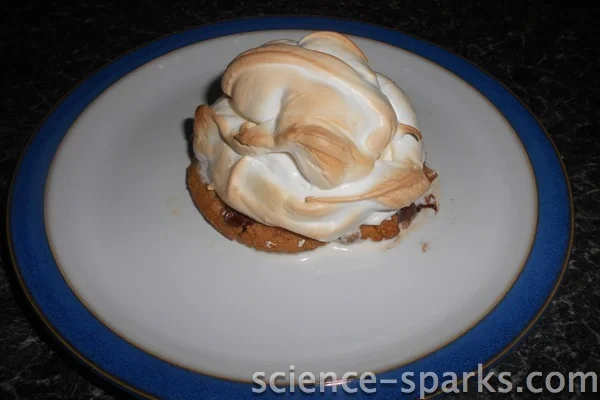
Scoop ice cream and cover it entirely with the meringue mixture. Position the ice cream on top of the cookies, ensuring it's well coated. Make sure you’re generous with the meringue; any exposed ice cream is likely to melt quickly. The psychological satisfaction of a thick layer of meringue can’t be overstated—everyone loves a crispy surface.
Finally, bake the creation for about five minutes until the meringue turns a golden brown. After baking, let it cool for a moment to avoid burns when serving. If you’re feeling adventurous, you could add a flambé step for flair, but remember to practice caution with open flames if you choose to go that route.
Why Baked Alaska Doesn’t Melt
The remarkable aspect of Baked Alaska lies in its insulating properties. When whipping meringue, you incorporate numerous air bubbles, which act as a protective layer around the ice cream. This barrier keeps the cold temperature intact while also shielding it from the oven's heat. Essentially, that air-filled meringue acts like a thermal blanket. Without it, the ice cream would become a puddle in seconds.
This isn’t just a culinary trick; it reflects broader principles of thermal dynamics. The combination of hot and cold in one dish can result in fascinating flavor profiles, contrasting textures, and emotional reactions from those who experience it. The thrill of creating something so seemingly contradictory—hot and cold in one delightful dish—is what makes Baked Alaska a staple in both culinary schools and households alike.
The Cultural Significance of Baked Alaska
Baked Alaska has roots that stretch back through history. Initially thought to be named in honor of the 1867 purchase of Alaska from Russia, this dessert represents much more than just its geographical nomenclature. It encapsulates a moment where food and history intertwine, signifying progress and exploration. As cultures continue to evolve through culinary exchanges, Baked Alaska stands as a testament to invention and adaptation.
That said, this dish is also a reminder of the wonders that can happen when chefs experiment within their craft. Whether it's the whimsy of a nostalgic dessert or the science of flavor balance, creating Baked Alaska can excite both seasoned chefs and curious home cooks alike.
If you’re working in this space, consider the broader implications of temperature in cooking. It’s not just about following a recipe; it’s an exploration of how different elements react under varying conditions. And this is the part most people overlook; understanding these interactions can elevate your cooking skills to a new level.
Future Outlook: Rediscovering Classics
As consumers continue to seek out unique dining experiences, the resurgence of classic dishes like Baked Alaska may grow more pronounced. With a new generation rediscovering the art of cooking both at home and in restaurants, expect to see modern twists on this classic. Chefs might experiment with unconventional flavors or even plant-based ice creams to cater to the expanding dietary preferences in today’s market.
This renewed interest poses a fascinating question: will the essence of Baked Alaska evolve, or will it remain a quintessential dish that speaks to tradition? The beauty of any classic dish lies in its ability to adapt while retaining what makes it special. It’s a culinary balancing act that reflects the broader trends and tastes of society, and that alone is a conversation worth having.
Discussion
Sign in to join the discussion.