Explore the process of making meringue and the science behind its transformation, ideal for culinary enthusiasts and aspiring chefs.
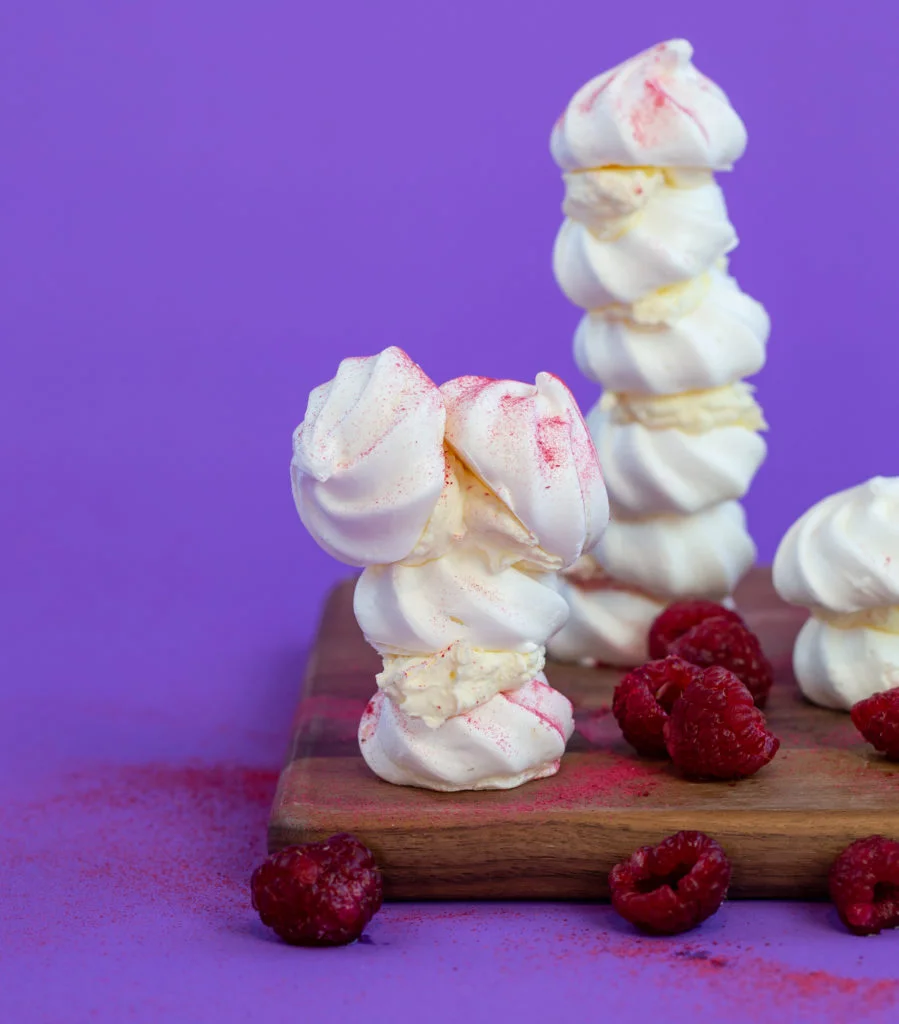
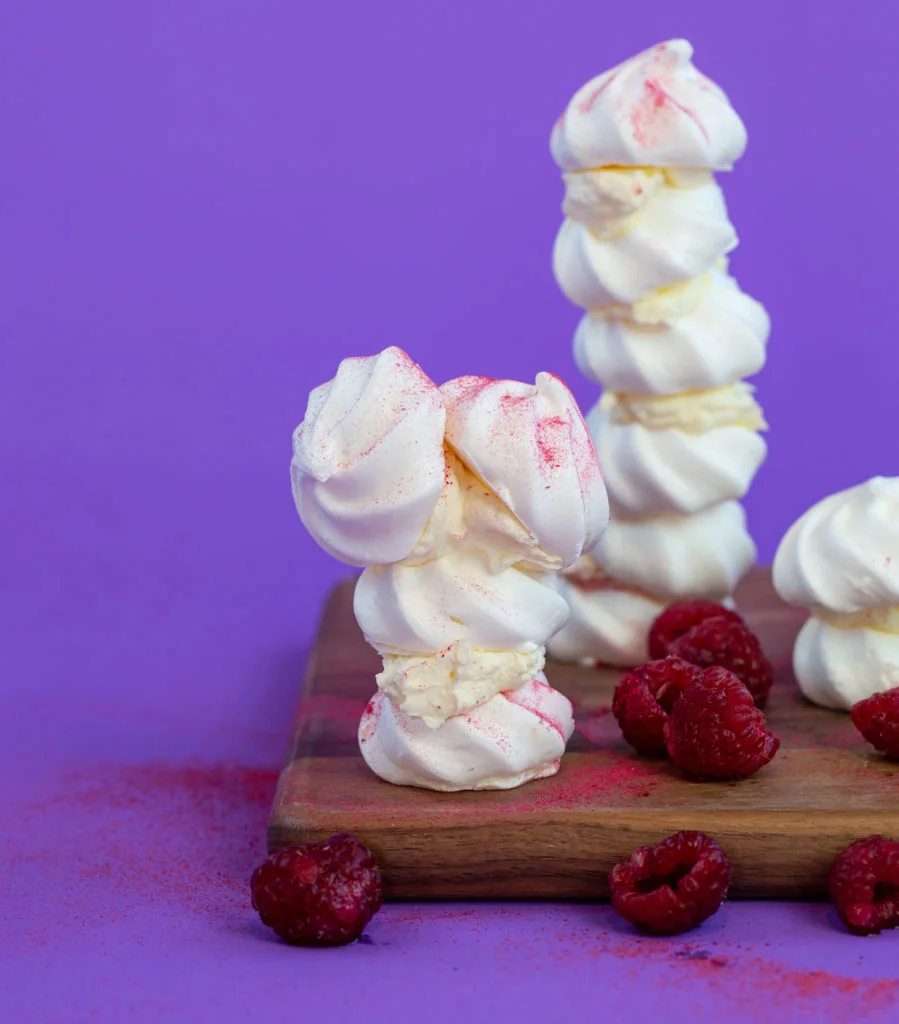
Understanding Meringue: A Blend of Art and Science
At its core, meringue is a fascinating blend of culinary technique and science. Egg whites, which make up about two-thirds of an egg’s weight, are mostly water and proteins. When you whisk them, a remarkable transformation occurs. The proteins start to denature, allowing them to unfold and create a delicate structure that traps air, resulting in that signature light and airy texture we associate with meringue. It’s not just cooking—it’s a bit of kitchen chemistry at work.
Ingredients for Meringue
Meringue Recipe
Gather these essentials:
- A bowl
- A whisk
- A baking sheet
- Four egg whites
- 225g caster sugar
When it comes to scaling the recipe down, remember that roughly 55g of caster sugar is needed for each egg white. This balance is crucial; too much sugar can weigh down the mixture and prevent it from achieving its full potential. Getting the right proportions can be the difference between a light meringue and a dense, flat failure.
Steps to Create Meringue
- Preheat your oven to 140 degrees Celsius.
- Prepare two baking sheets by lining them with parchment paper.
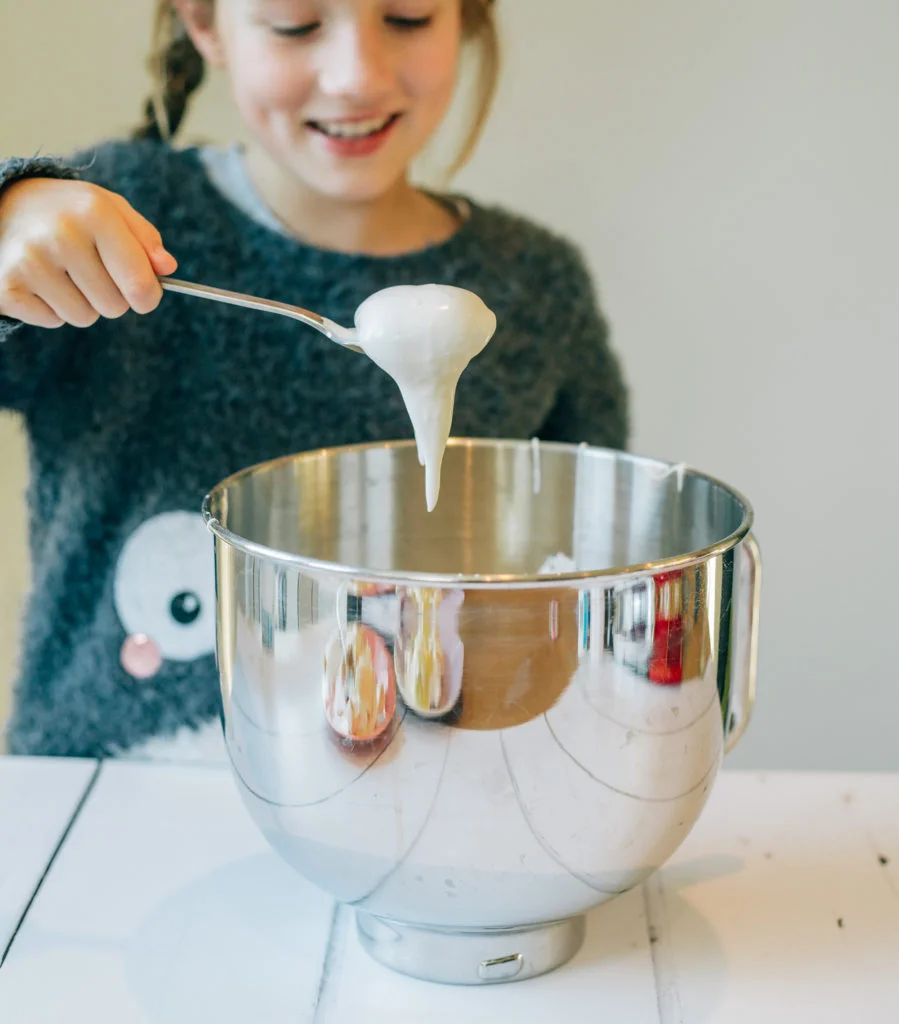
- Start whisking the egg whites slowly, gradually increasing speed until you achieve stiff peaks.
- Incorporate the sugar gradually, adding a few tablespoons at a time while continuing to whisk.
- Spoon heaped tablespoons of the mixture onto the baking parchment, ensuring ample space between each dollop.
- Bake on a low shelf for about 45 minutes, then turn off the oven but leave the meringues inside for an additional 15 minutes to set.
- Serve the meringues alongside whipped cream and fruit.
If you're feeling adventurous, consider trying to construct meringue towers—how high can yours go before toppling? This quest has the potential to entertain while also teaching foundational concepts in stability and balance.
The Science Behind Meringue
Whisking egg whites initiates two primary processes:
- The mechanical action is responsible for what scientists call the unfolding of protein molecules.
- This action also incorporates air bubbles into the mixture, creating a frothy texture that's essential for meringue.
Once baked, this air-filled foam solidifies into the delightful meringue we enjoy. Don’t underestimate this process; achieving the perfect meringue is as much about skill as it is about understanding the science behind it. While many people see meringue as a simple dessert, its creation is a fantastic demonstration of scientific principles in action.
More Kitchen Science Activities
If you found this experiment entertaining, you'll want to explore my extensive collection of kitchen science experiments. These activities not only entertain but also serve as practical lessons in science, from chemical reactions to states of matter. Consider joining the Science Sparks Bake OFF for a fun and educational challenge!
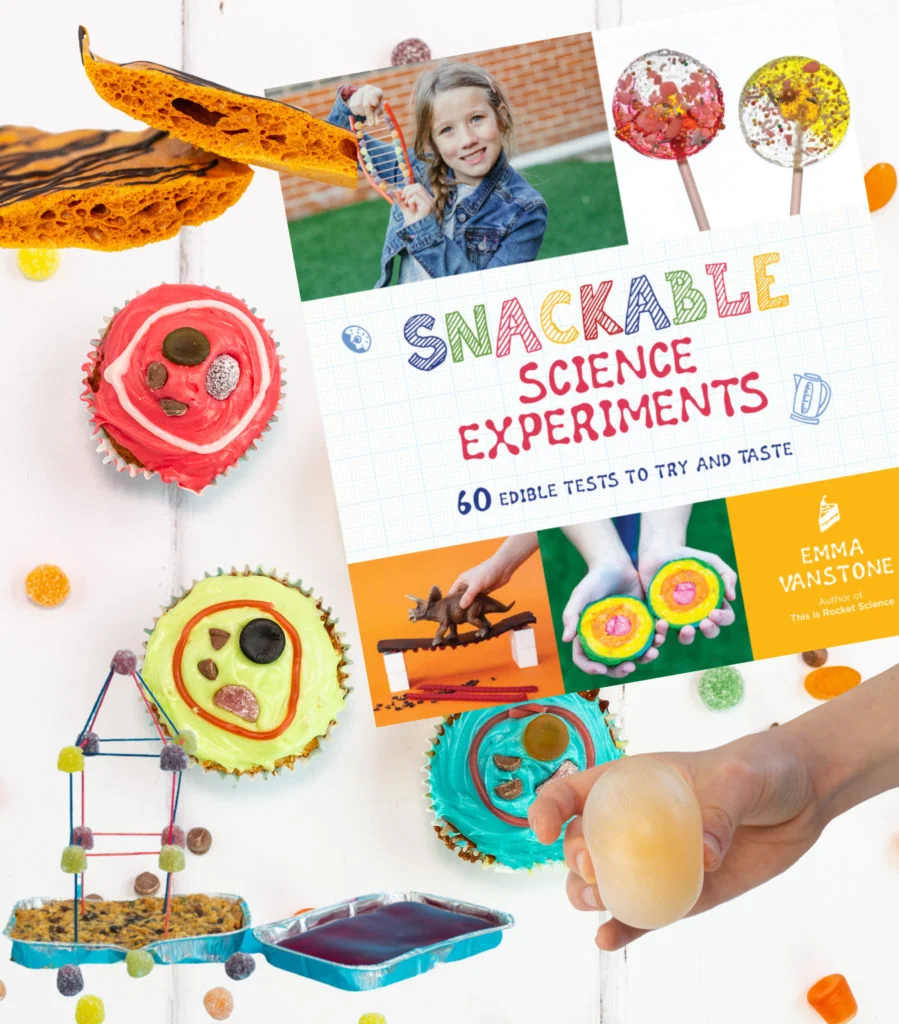
For further inspiration, check out my new book Snackable Science, which features 60 engaging edible experiments for kids. These are tailored to spark curiosity and develop a hands-on understanding of scientific principles.
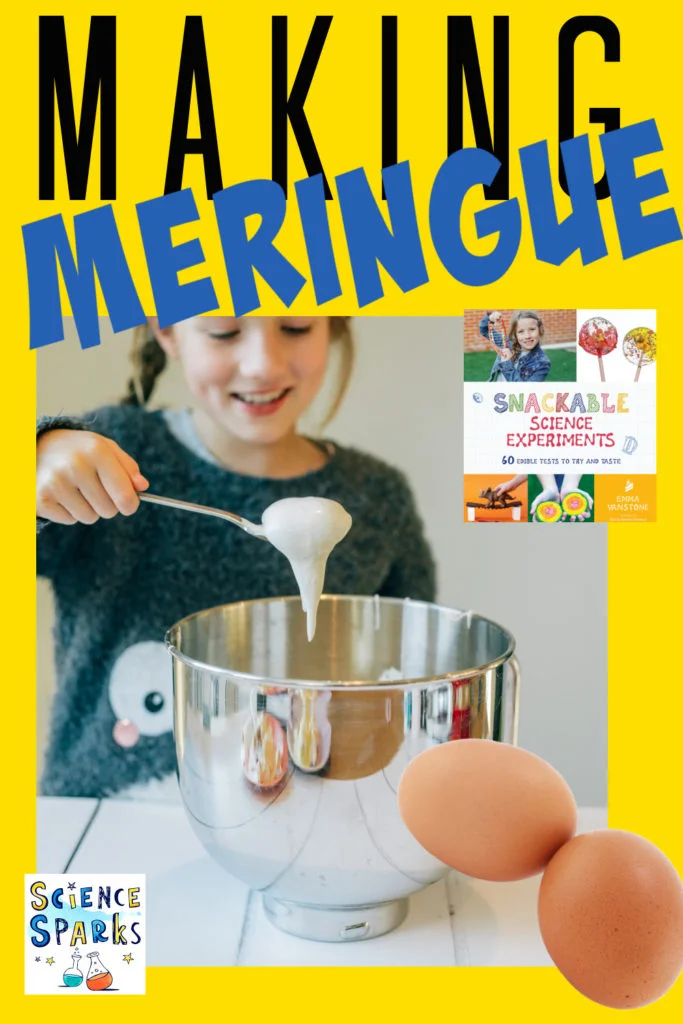
The post How To Make Meringue – Kitchen Science appeared first on Science Experiments for Kids.
Implications of Meringue in Culinary Education
What this means for you is pretty straightforward—meringue isn’t just another dessert. With its delicate balance of science and technique, it serves as an excellent introduction to both culinary arts and kitchen chemistry. Many baking enthusiasts underestimate the educational value hidden in simple recipes like meringue. By understanding the science of how egg whites create foam, cooks not only improve their baking skills but also gain insights into other culinary applications. This inclusive approach can also lead to more successful culinary experiments in the future.
Moreover, encouraging children and young adults to explore kitchen science through engaging activities like making meringue can significantly enhance their grasp of fundamental scientific concepts. So the next time you whip up a batch of meringues, consider discussing the underlying science behind it—it's just a dessert's way of teaching a lesson!
Discussion
Sign in to join the discussion.