Discover how to create effective homemade glue using just milk, vinegar, and baking soda in this engaging kitchen science project.
Experience the Process of Creating Glue from Milk
Have you ever considered that simple ingredients from your kitchen can yield glue? By using milk, white vinegar, and baking soda, you can make your very own homemade glue. This isn't just a fun project for kids; it provides a real-world glimpse into chemistry. The vinegar plays a pivotal role in separating the milk into its primary components: curds and whey, a process that mirrors the more traditional methods of cheese-making.
This hands-on science experiment is straightforward, yet it requires adult supervision for warming the milk. Engaging with this experiment can spark curiosity about the science behind everyday materials, turning a simple kitchen into a learning environment.
Ingredients for Making Milk Glue
Here’s what you’ll need:
- Milk
- White vinegar
- Baking soda (bicarbonate of soda)
- Pan
- Water
- Strainer
Steps to Create Your Glue
To start, you’ll need to separate the milk:
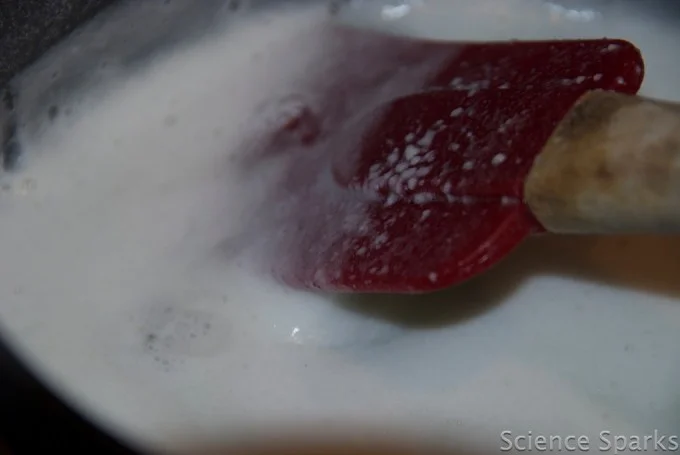
- In a pan, heat 1.5 cups of milk. Once it warms up, stir in 3 teaspoons of white vinegar.
- Continue to heat and stir until the curds (the solid parts) and whey (the liquid) distinctly separate. Pay attention; this could take a few minutes, but the results are worth the wait.
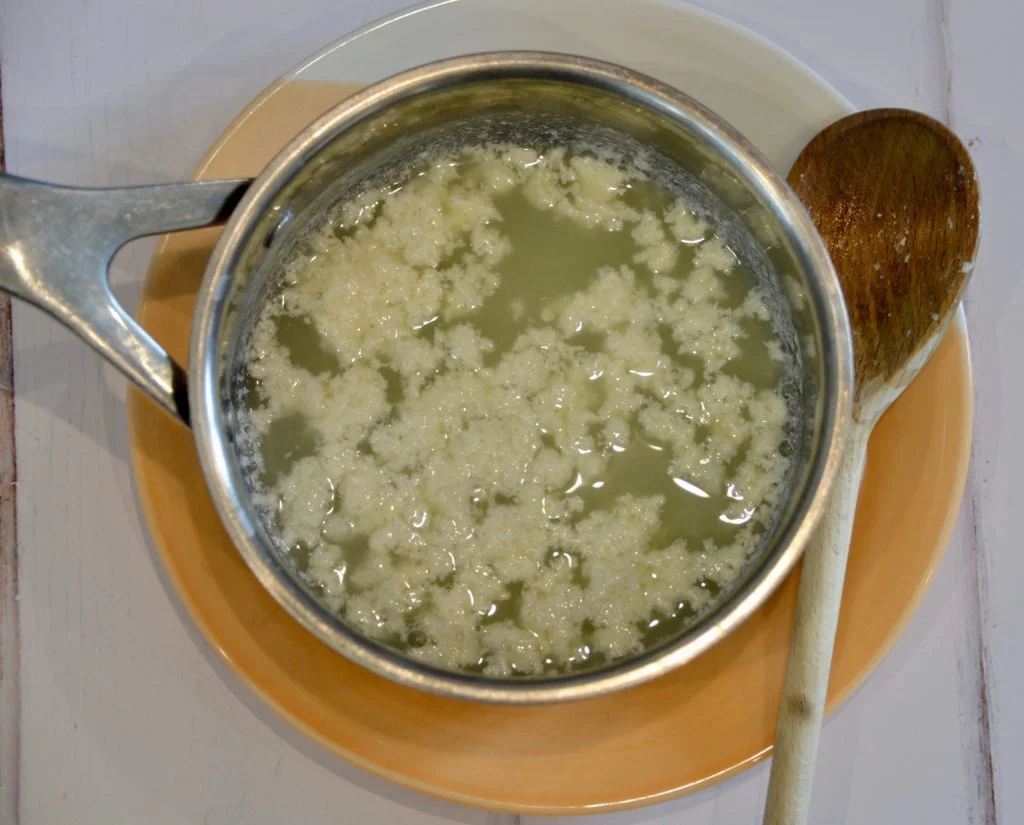
- Strain the mixture through a sieve to collect the solid curds, which should be moldable. At this stage, it’s like sculpting; what you do with it depends on your creativity.
- Return these curds to the pan, adding a bit of water and a tablespoon of baking soda. The baking soda is critical—it's where the experiment gets really interesting.
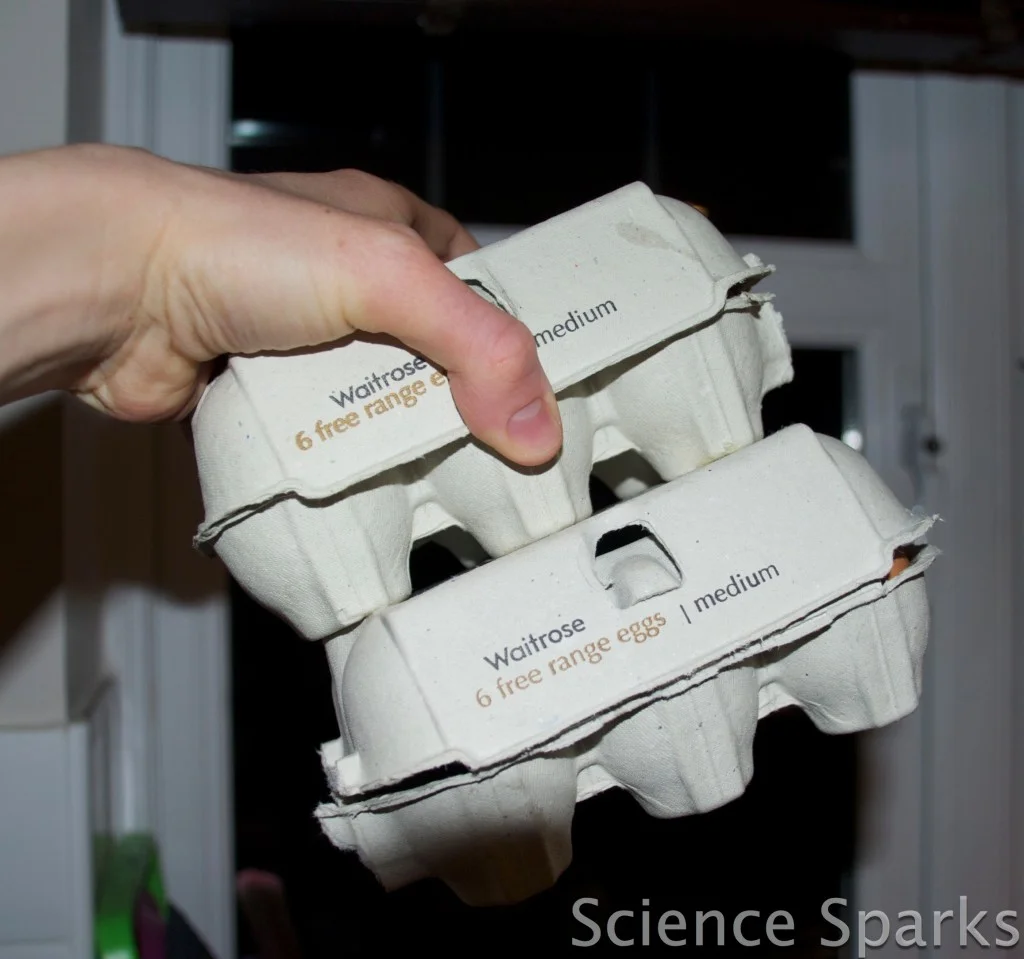
- Heat the mixture until it bubbles, stirring well. Then let it cool to achieve the right glue consistency. A little more water or baking soda might be needed for a thick paste. I tested this glue, and it successfully bonded two heavy egg boxes! That's something to brag about.
Understanding the Chemistry Behind Milk Glue
So, what happens to the milk during this process? The vinegar initiates a chemical reaction that divides milk into curds and whey. This reaction isn’t just a random occurrence; it actually highlights the way proteins interact under different conditions. The curds consist of casein, a milk protein that acts as a natural adhesive. Adding baking soda neutralizes the vinegar's acidity, producing carbon dioxide bubbles and reverting the curds to a usable liquid form. That's chemistry at work, transforming a staple food into something surprisingly practical.
Explore More Milk-Based Science Experiments
If you find this experiment engaging, there’s so much more to explore in milk science. You could try creating a colorful milk display with milk and dish soap. That vivid reaction captures the imagination and highlights chemical interactions in a visually striking way. There's also the possibility of crafting decorative items from curds. This practice dates back to the early 20th century when items like buttons were made from milk, demonstrating the long-standing connection between food and material innovation.
Implications and Future Outlook
This exploration of homemade glue made from milk isn't just a fun kitchen experiment. It also raises questions about sustainability and creativity in material use. As concerns about plastic waste continue to grow, methods like this highlight alternative materials that can be used in everyday applications. If you're working in this space, think of the lessons learned here: understanding basic chemistry can lead to practical solutions for reducing reliance on synthetic products. The more you experiment with natural materials, the more you may find alternatives for common household items.
Moreover, this experiment underlines an important educational principle: hands-on activities can deepen understanding in both kids and adults. It’s a reminder that science isn't confined to laboratories; it can happen anywhere—especially in our kitchens. The implications for educators and parents alike are significant. These basic experiments can foster curiosity and a deeper appreciation for science.
Discussion
Sign in to join the discussion.