Chronic absenteeism is a crisis in schools, affecting one-third of students. Educators stress the need for supportive initiatives to combat this challenge.
**The Growing Crisis of Chronic Absenteeism in Schools**
Schools are grappling with myriad challenges that impact day-to-day operations and student outcomes. Not only must they confront funding shortages, teacher attrition, and curriculum limitations, but a more insidious issue has gained momentum: chronic absenteeism. Alarmingly, absentee numbers have surged in recent years, yet practical solutions seem elusive.
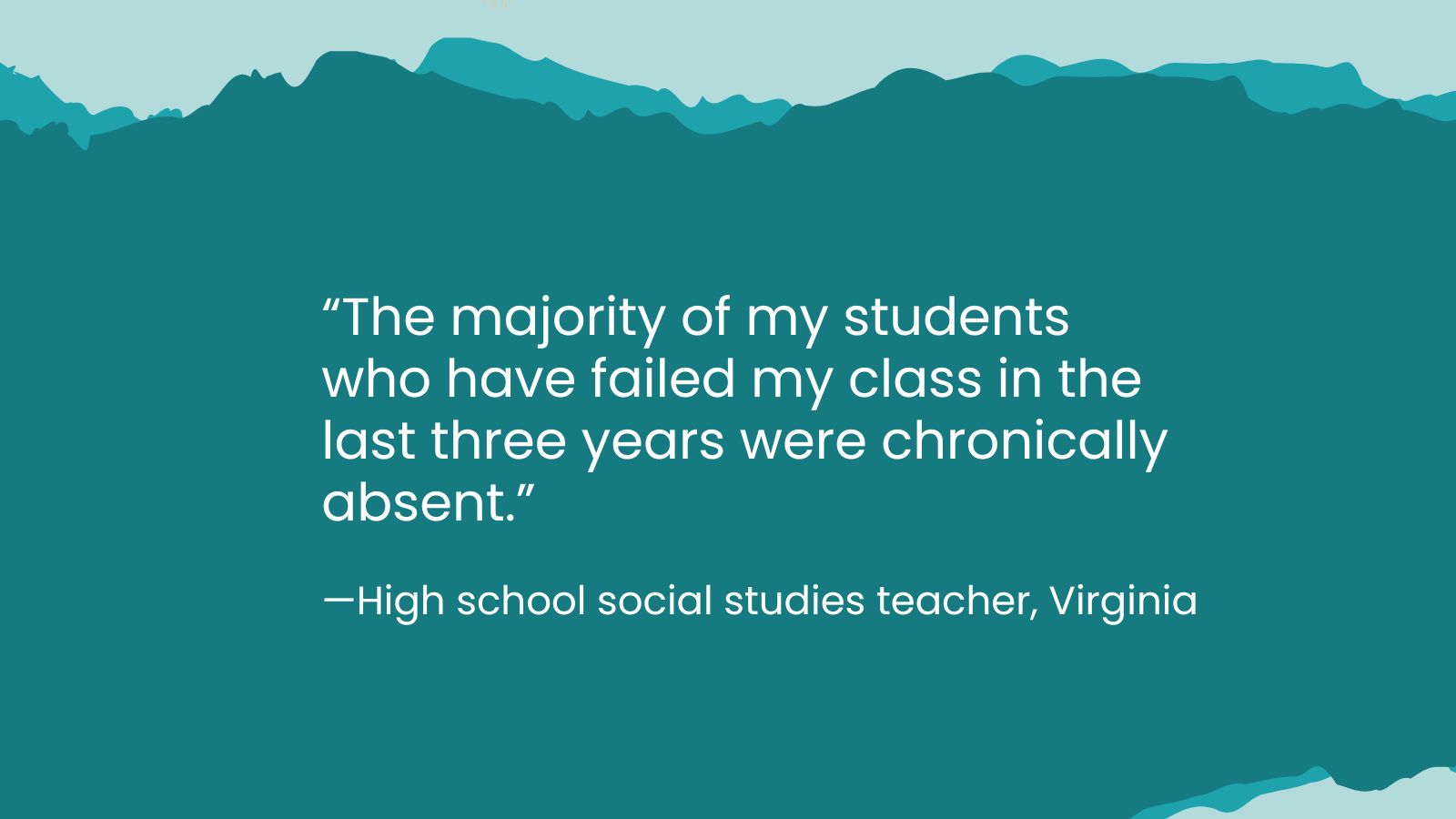
To gain insights into this troubling trend, we canvassed nearly 300 educators regarding their firsthand experiences with student absenteeism. A staggering 75% identified chronic absenteeism as a pressing concern affecting their schools or districts. Teachers recounted numerous tales of students who miss classes regularly, inevitably causing academic decline. Many emphasized the urgent need for initiatives that foster stronger relationships between families and schools and provide targeted support for emotional and behavioral challenges. Programs like [Conscious Discipline](https://nam11.safelinks.protection.outlook.com/?url=https%3A%2F%2Fconsciousdiscipline.com%2Fprofessional-development%2Ftraining%2F%3Futm_source%3DMDR_WAT%26utm_medium%3Darticle%26utm_campaign%3DAbsenteeism%2BEditorial%2BIntegration_Conscious%2BDiscipline_2501&data=05%7C02%7CNockelsC%40DNB.com%7C81ee74e446644e6af6a608ddd52467be%7C19e2b708bf12437597198dec42771b3e%7C0%7C0%7C638901074565430194%7CUnknown%7CTWFpbGZsb3d8eyJFbXB0eU1hcGkiOnRydWUsIlYiOiIwLjAuMDAwMCIsIlAiOiJXaW4zMiIsIkFOIjoiTWFpbCIsIldUIjoyfQ%3D%3D%7C0%7C%7C%7C&sdata=xjJP%2FdJUb0LMylaYf4sfCMqv9bYvUW8ZBrpvB%2FPUlWs%3D&reserved=0), which offers trauma-informed professional development and resources, could play a crucial role in addressing these challenges.
**Understanding Chronic Absenteeism**
So, what exactly qualifies as chronic absenteeism? Generally, it refers to students missing 10% or more of the school year, equating to roughly 18 days for a standard 180-day school year. Moreover, chronic absenteeism encompasses habitual tardiness that leads to substantial part-day absences.
Unfortunately, many students fall well below this threshold. Some miss two to three days each week, inflicting severe long-term damage that ongoing interventions struggle to mitigate.
**The Data on Absentee Rates**
Chronic absenteeism rates exhibit stark variability across different locations. In states like Alaska and Washington, D.C., schools report figures soaring as high as 45%. In contrast, areas like New Jersey and Virginia maintain more manageable rates around 16%. Nationwide, approximately one-third of students are frequently absent from class.
**The Role of Truancy Officers**
You might imagine truancy officers in a traditional sense—acting as enforcers to round up absent students. However, they are often mischaracterized. Truancy solely covers unexcused absences, while chronic absenteeism includes all reasons for absence. Every state has unique truancy laws requiring a pattern of unexcused absenteeism before invoking legal measures. Yet many educators report that such legal interventions rarely yield positive outcomes.
Consider the case of a Kansas teacher who described a pupil who missed an astonishing 110 days in seventh grade yet was promoted to eighth grade. The system, it seems, often fails to bring about meaningful change.
**COVID-19's Impact on Attendance**
The pandemic has aggravated this situation. Following the abrupt transition to online learning in March 2020, chronic absenteeism soared to unprecedented levels. Data from the 2021-2022 school year revealed a dramatic spike from 15% to 28%. Alarmingly, chronic absentee rates have plateaued at levels far above pre-COVID norms, and this unsettling trend is projected to extend into 2024.
A Virginia teacher summarized the impact: "Since COVID, students seem to persuade their parents to let them stay home more easily. Parents capitulate, claiming the child 'just won’t go, and there’s nothing I can do.'" These assertions resonate with broader findings; a study by the American Enterprise Institute revealed chronic absenteeism rates now sit 75% higher than before the pandemic.
As these data points illustrate, unresolved chronic absenteeism poses a multifaceted challenge that requires collaborative efforts from educators, families, and policymakers. If you’re in the education space, it’s essential to recognize the broader implications of these trends. Addressing chronic absenteeism isn’t just about attendance; it’s integral to fostering an engaging and supportive learning environment.
Discussion
Sign in to join the discussion.