Explore how identifying your child's love language can enhance their homeschooling experience and strengthen emotional connections.
Homeschooling can present unique challenges, particularly when fostering a nurturing environment for children. Recently, I faced a situation with one of my kids that left me puzzled. After wrestling with my thoughts, I connected with a friend and seasoned homeschooling advisor who offered a simple yet profound question: “What’s your child’s love language?”
This inquiry resonated with me as I realized the importance of understanding how each child expresses and receives love. The concept of love languages, introduced by Gary Chapman and Ross Campbell, outlines five distinct styles that children—much like adults—prefer when it comes to feeling loved and secure.
As a homeschooling parent, recognizing these love languages isn't just a bonus; it significantly impacts the dynamics of your educational environment. Here’s an in-depth look at the five love languages and practical ways to integrate them into your homeschooling routine.
The Five Love Languages of Homeschooling

Physical Touch
For children who thrive on physical touch, gestures like hugs and pats can be incredibly affirming. These children may struggle with feelings of insecurity if they don’t receive sufficient physical affection from you.
Practical ways to express love through physical touch:
- Incorporate hugs or sitting on your lap during lessons.
- Offer breaks that include back rubs to help them relax when challenging tasks arise.
- Share high-fives or gentle shoulder pats, especially with older kids or teens.
- Reconnect through physical touch after discipline, ensuring they feel your love.
- Spend time together cuddled up watching a movie or engaging in playful roughhousing.
Words of Affirmation
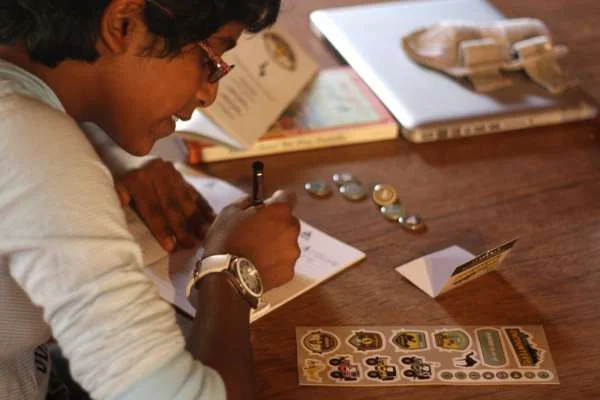
In our fast-paced society, verbal affirmations are often overlooked, yet they wield great power. Children who resonate with this language flourish from encouragement and praise.
Ways to utilize words of affirmation effectively:
- Regularly verbalize encouragement and acknowledge their efforts in tasks.
- Leave sweet notes in unexpected places, such as under pillows or in their textbooks.
- Create a special saying unique to your relationship that they can cherish.
- Highlight their strengths, especially during tough moments, to provide reassurance.
- Speak positively about them to others, reinforcing their sense of worthiness.
Receiving Gifts
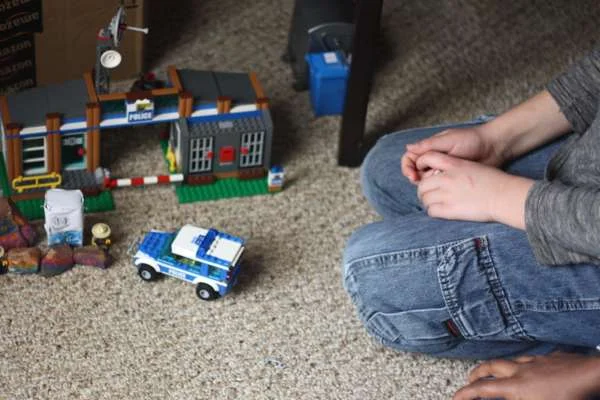
Gifts, from a child's perspective, don’t necessarily equate to extravagant purchases. Rather, they can be creative gestures or necessities presented with thoughtfulness.
Consider these fun ways to engage with a child who values receiving gifts:
- Collect unique items like interesting rocks or shells during walks, and surprise them with a note.
- Wrap up educational supplies or essentials as gifts to elevate their everyday importance.
- Occasionally bring back treats from grocery trips to show you're thinking of them.
- Prepare their favorite meals as a way of demonstrating love and thoughtfulness.
- Involve them in shopping trips, allowing them to choose items they'll need.
Quality Time
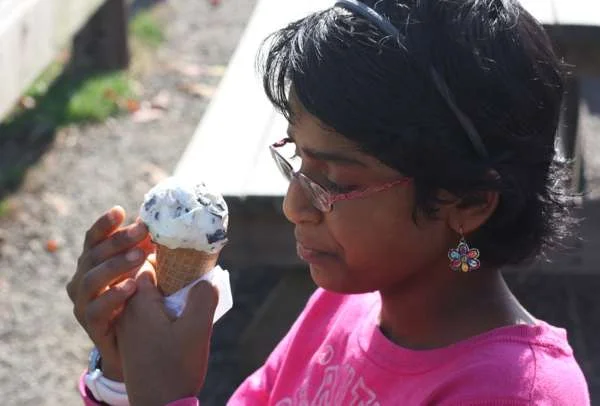
Quality time means giving your undivided attention. Even though you might spend a lot of time together due to homeschooling, that doesn’t guarantee emotional connection for kids who need quality engagement.
Strategies for fostering quality time:
- Make intentional eye contact when communicating.
- Limit distractions by putting away devices during your time together.
- Involve them in errands, which can make mundane tasks enjoyable for your child.
- Spend time looking through family photo albums together to reminisce.
- Encourage collaborative learning rather than isolating them for independent work.
- Sometimes just hang out together without any specific plan or agenda.
Acts of Service
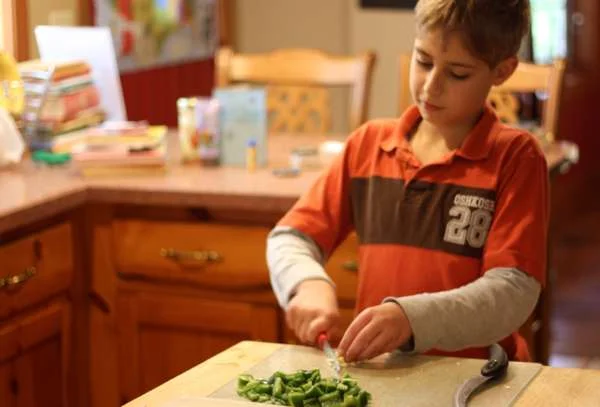
Children who appreciate acts of service feel loved when you assist them in their responsibilities or challenges. However, it’s key not to shelter them completely from taking on tasks themselves.
Ways to express love through acts of service:
- Join them for difficult subjects instead of sending them off alone to tackle challenges.
- Surprise them with a special breakfast, making an ordinary day feel special.
- Show extra care when they’re under the weather by providing attentive support.
- Be responsive to their requests for help, showing your commitment to supporting them.
- Take over some of their chores periodically to alleviate their burden and show you care.
Connecting Deeply with Your Child
These insights barely scratch the surface of how love languages can transform your homeschooling experience. For a more comprehensive understanding, I recommend exploring The Five Love Languages of Children, which provided me with invaluable insights into deepening the bond with my kids.
The time we invest in nurturing our children and understanding their unique love languages not only enriches our family dynamic, but it also teaches them how to express love in return—an invaluable lesson that extends beyond the classroom.
“Accept the children the way we accept trees—with gratitude, because they are a blessing—but do not have expectations or desires. You don’t expect trees to change, you love them as they are.”
~ Isabel Allende
Discussion
Sign in to join the discussion.