This investigation compares egg white and dish soap for creating fizzy foam, revealing the surprising effectiveness of egg whites.
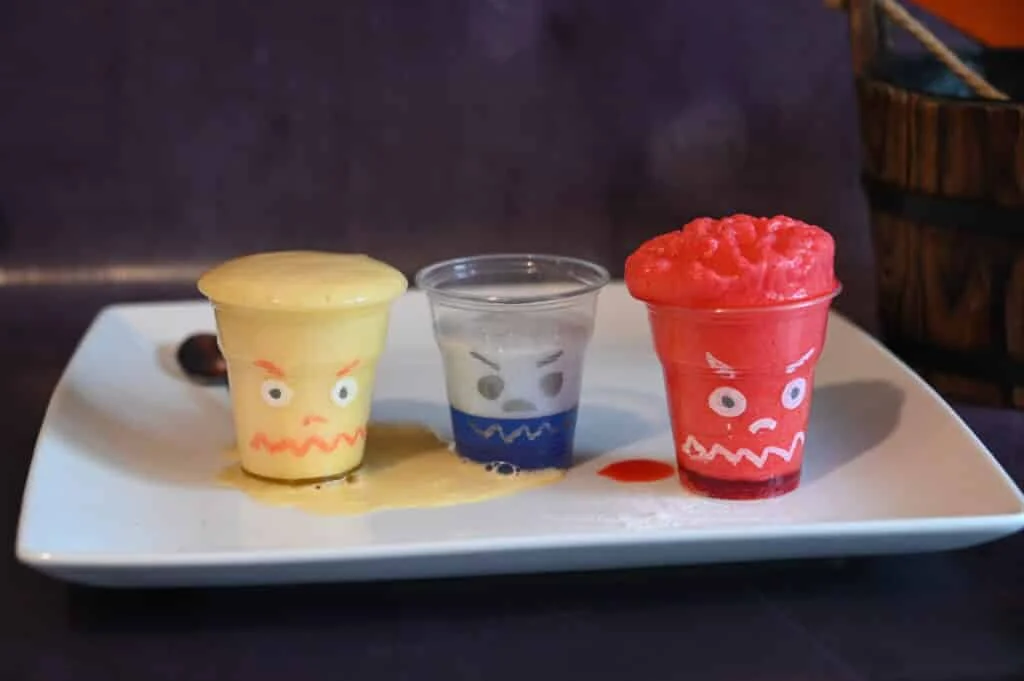
A classic experiment for budding scientists, creating fizzy foam with baking soda and vinegar never gets old. This time, we’re looking at an alternative to dish soap: egg white. Known for its foam-building properties, egg white might just outperform traditional washing-up liquid when it comes to creating lasting bubbles.
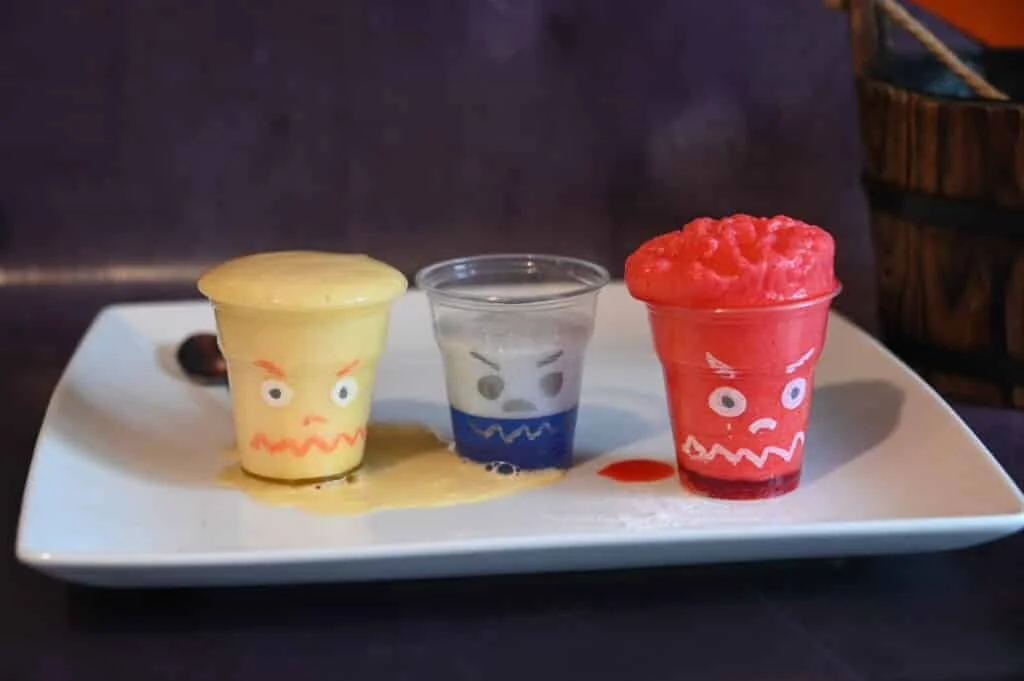
Foaming Experiment: Egg White or Dish Soap?
Materials Needed
- 3 small containers
- Food coloring
- Water
- Tablespoon
- Teaspoon
- Dish soap
- Baking soda
- Vinegar
- Decorations (optional)
Steps to Follow
To get started, find three small containers. Each will serve as the test environment for your experiment. Begin by placing a few drops of food coloring in each container. This adds a visual dimension, making the results not just a lesson in chemistry but also visually appealing.
Next, add water into each container until they're about one-fifth full. In one container, mix in a tablespoon of dish soap; in another, add only water; and in the third container, incorporate egg white. To each of these mixtures, add a heaped teaspoon of baking soda and stir thoroughly.
Finally, pour roughly 25ml of vinegar into each. Watch closely to see how the different combinations react! It's a simple setup but offers intriguing insights into the properties of various substances.
For a fair test, ensure equal quantities of each ingredient are used across the containers.
The Results Are In
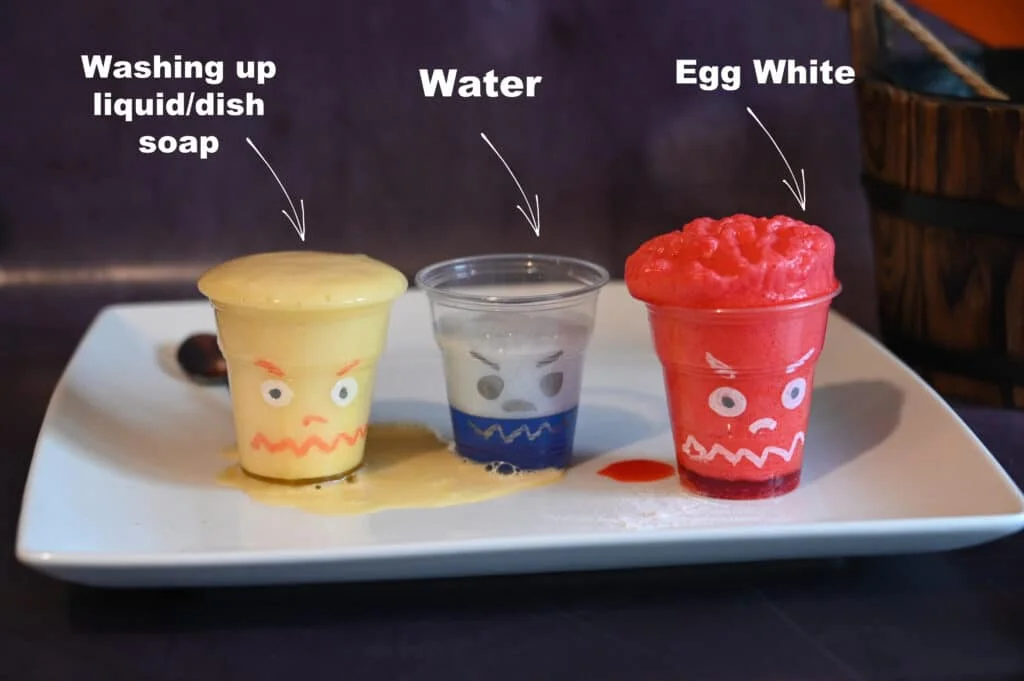
The outcomes were telling. The container with just water produced a disappointing amount of foam that fizzled away quickly. The dish soap created a decent amount of foam, but nothing compared to the mixture incorporating egg white. The egg white foam was denser and foamed longer, leading to a more exciting visual effect. This result isn't just fun; it underscores why understanding substances are key to many cooking and baking methods.
Understanding the Chemistry
The reaction between baking soda and vinegar produces carbon dioxide gas, which is responsible for the bubbling action. Without something to stabilize those bubbles, like dish soap or egg white, the foam is short-lived. Dish soap contains surfactants that reduce water's surface tension, allowing bubbles to expand and last longer.
Egg white, on the other hand, is packed with proteins. When mixed, these proteins unfold and encapsulate the gas bubbles, forming a sturdy structure that enhances foam stability. This property makes egg whites particularly effective for creating lasting, thick foam. If you're working in this space, you might find that tapping into natural ingredients can often yield surprising results.
Fun Facts About Egg White
What about the egg white itself? Not only is it about 90% water, but it also contains over 150 different proteins. It's known for its efficacy in creating airy dishes like soufflés and meringues when whipped, trapping air bubbles effectively. (And this is the part most people overlook: simply switching ingredients can lead to a completely different outcome in your cooking.)
Importantly, it's virtually fat-free and contains no cholesterol, making it a healthy ingredient choice. This makes it appealing not just for its functional properties, but also for those looking to maintain a balanced diet while still enjoying their favorite dishes.
Related Science Concepts
This exploration is a practical demonstration of chemical reactions, specifically how different substances interact to produce distinct results. Understanding these fundamental principles can be tremendously beneficial, not just in the kitchen but in broader scientific applications. This experiment illustrates how creatively experimenting with common household items can reveal valuable insights into science.
Implications and Future Outlook
Experiments like this encourage curiosity and critical thinking, essential for young scientists. By using everyday materials, the accessibility of this experiment means more potential participants can engage with the science of reactions. Beyond just the kitchen, understanding how different substances react and interact can have implications in fields like cooking, biology, and even environmental science.
The consistency of egg whites as a stabilizer in foams is particularly interesting in the context of food science. As more people lean towards natural and less processed ingredients, the ability to use egg whites effectively could inspire chefs and home cooks alike to rethink their approaches to ingredient sourcing. Ultimately, what this means for you is that clever ingredient swaps can open up a wider array of culinary possibilities and enhance your cooking skills.
The post Fizzy Foam Investigation appeared first on Science Experiments for Kids.
Discussion
Sign in to join the discussion.