Discover a fun way to study viscosity by measuring how different pancake syrups flow, perfect for a hands-on learning experience.
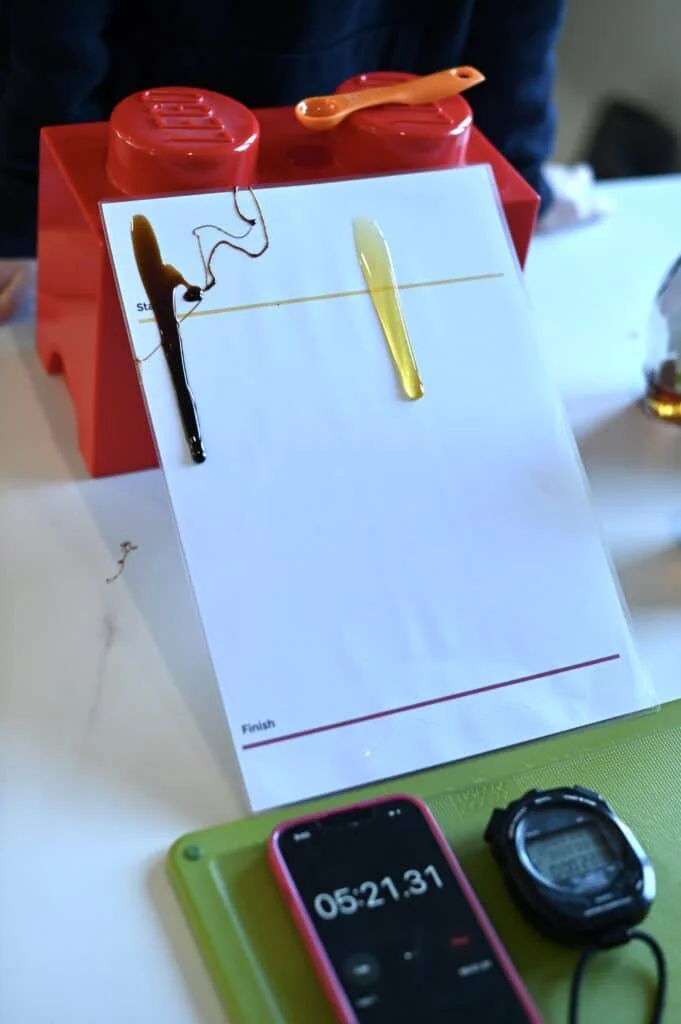
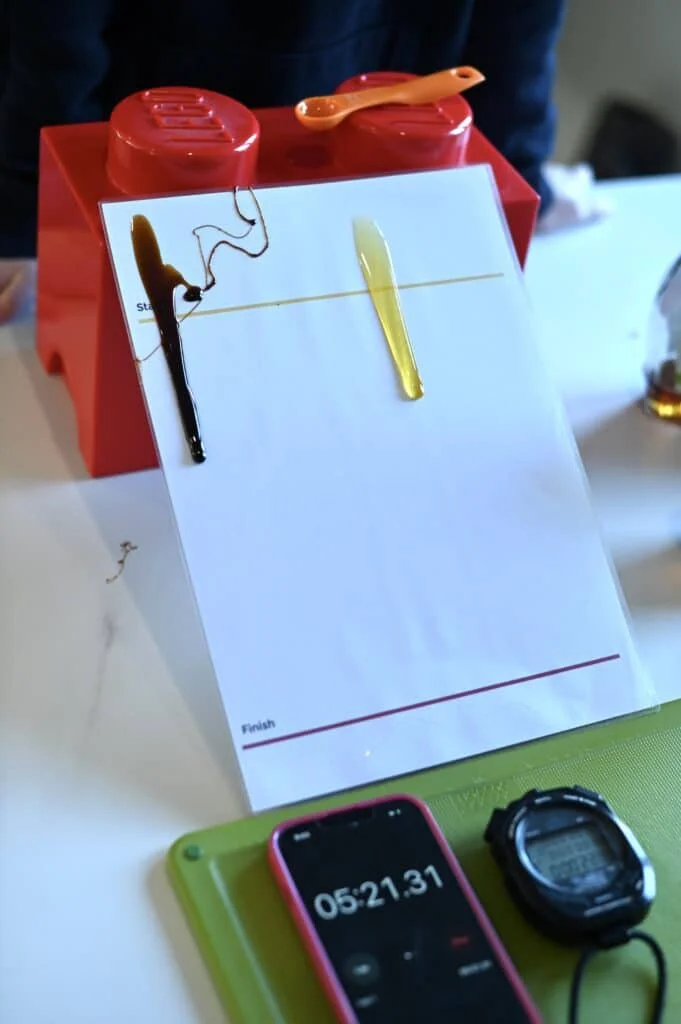
Pancake Syrup Viscosity Experiment
Engaging in a viscosity experiment with pancake syrups is more than just a fun observation for Pancake Day. This hands-on approach to measuring the flow properties of various syrups offers insights into the science of liquids and their behavior under gravity. Viscosity is a key property that characterizes fluids, determining how resistant they are to flow. This experiment translates that scientific principle into an entertaining educational experience that can capture the interest of both children and adults alike.
The goal here is to measure how long it takes various pancake syrups to slide down a ramp. Viscosity impacts not just the speed of flow but also the behavior of fluids in culinary applications—an important consideration for chefs and food enthusiasts. By comparing flow rates, thicker syrups will take longer than their thinner counterparts, providing a tangible way to observe this scientific principle in action.
Materials Required
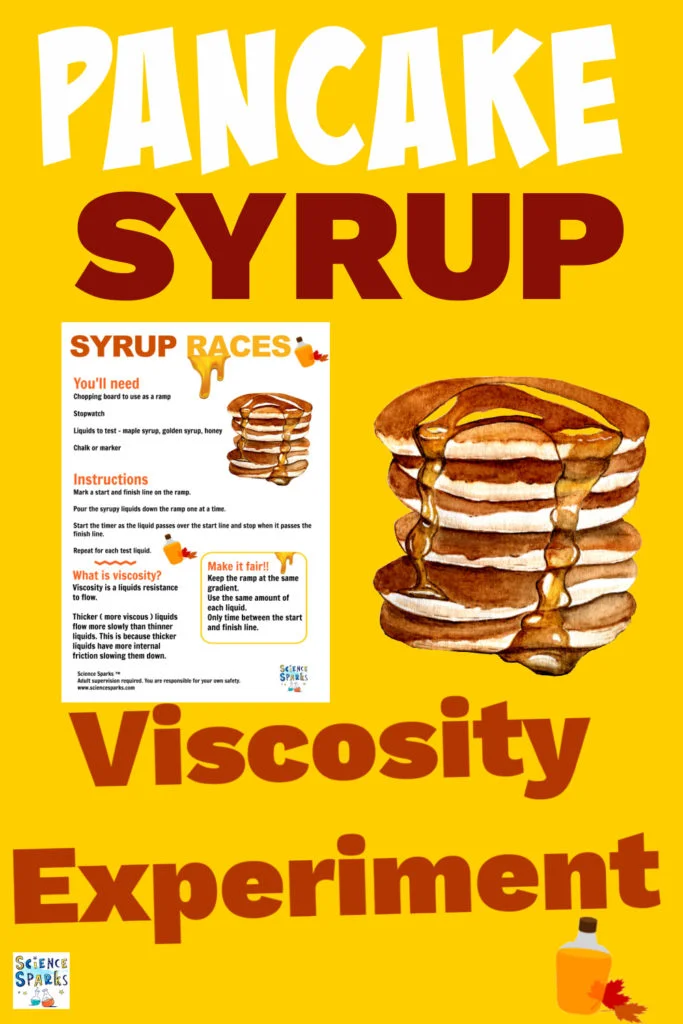
- A chopping board or similar surface to serve as the ramp
- A stopwatch
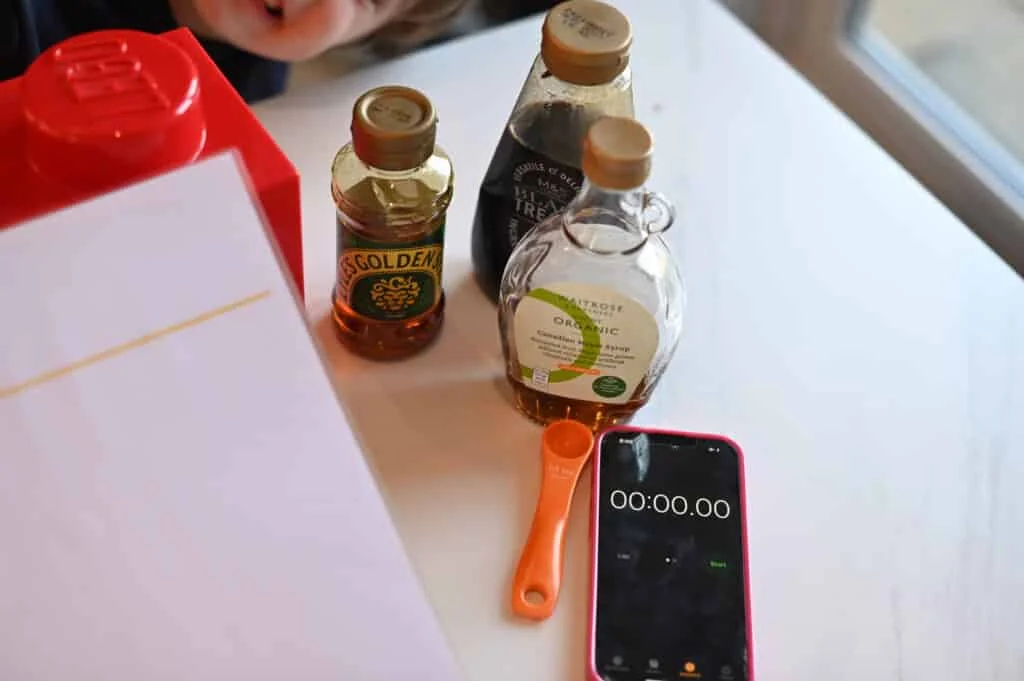
- Various syrup options such as maple syrup, golden syrup, honey, and chocolate sauce
- A piece of chalk or a marker for marking
Experiment Instructions
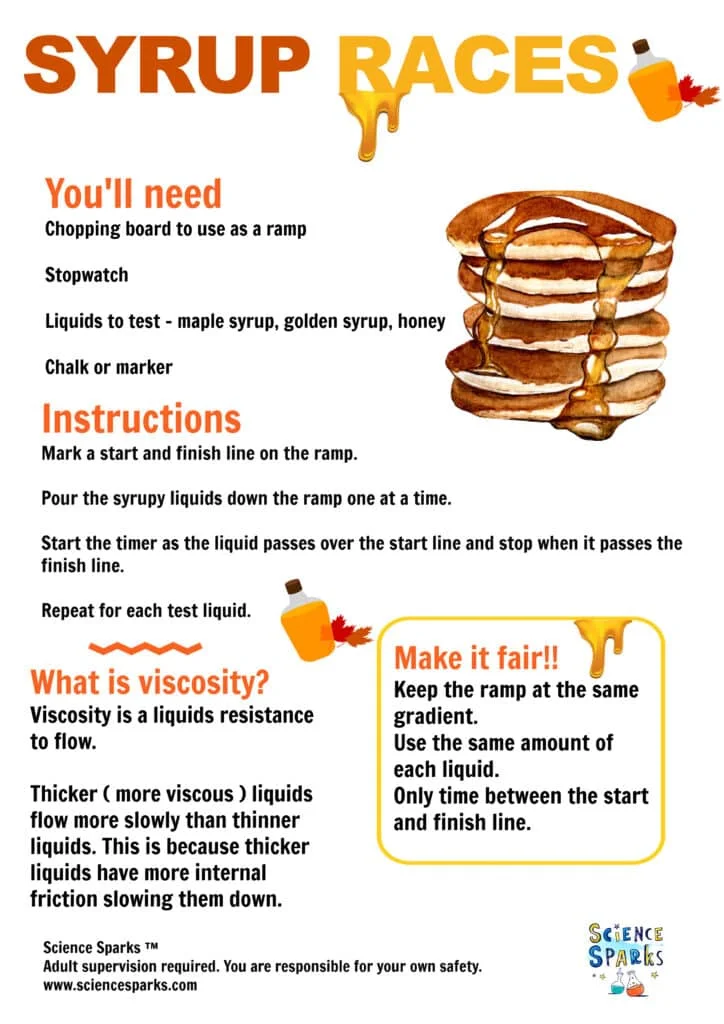
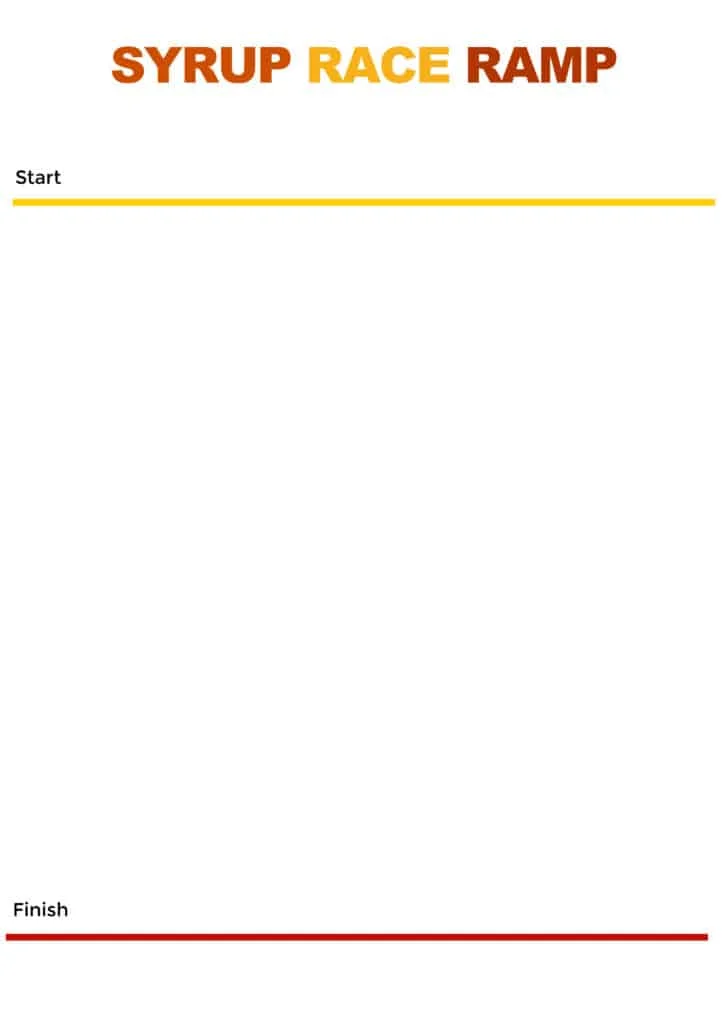
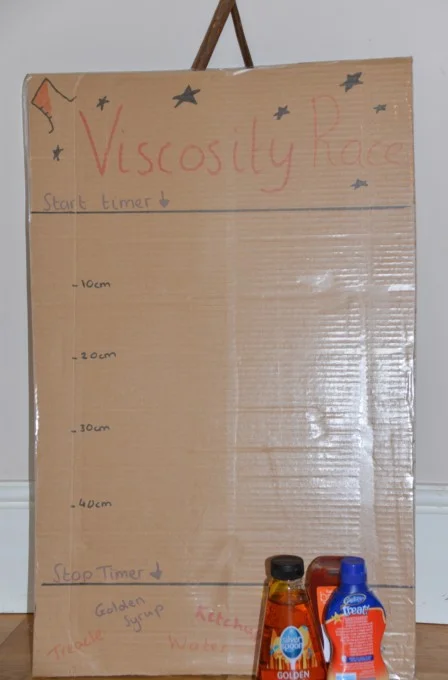
Start your experiment by marking a start and finish line on your ramp. A clear visual indication helps in precise measurements, which is important when timing the flow of syrup. The execution of this task is simple but vital for fundamental accuracy in the experiment.
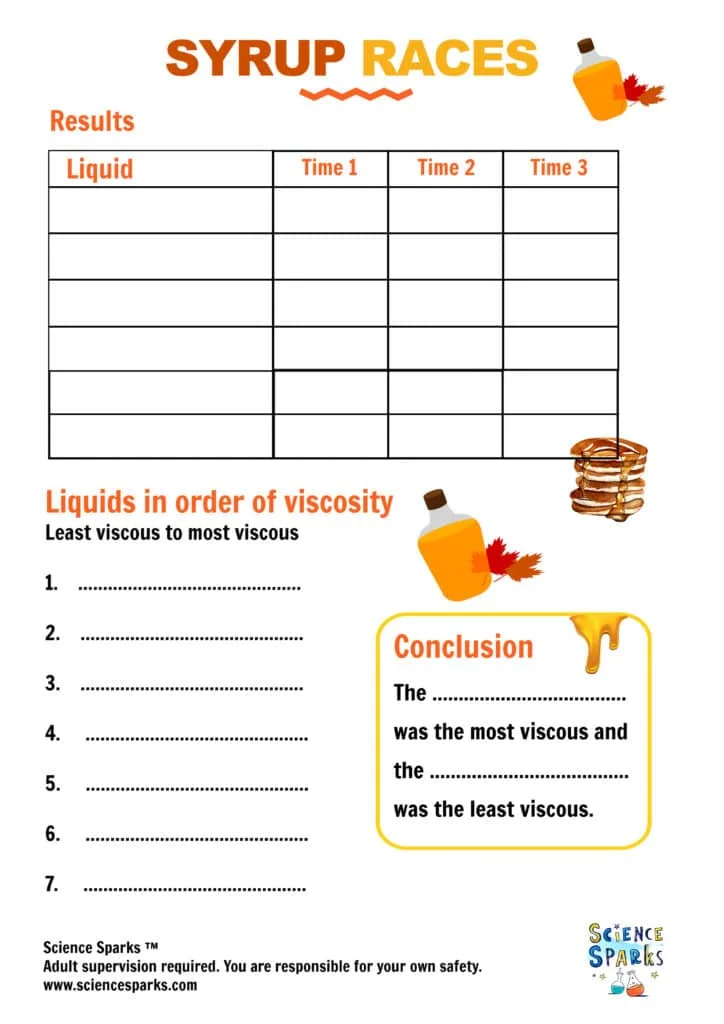
Pour each syrup down the ramp one at a time. Start the timer when the liquid crosses the start line and stop it at the finish line. This process might seem straightforward, but it emphasizes the importance of control in scientific testing. Acknowledge that conducting three trials for every syrup is necessary to ensure reliability in your results. The variations in results can be affected by numerous factors, including temperature and ramp angle; consistency in methodology is key.
Ensuring a Fair Test
To maintain the integrity of your experiment, keep the ramp’s incline constant across all trials. This control is necessary to avoid skewed results. Slight variations in the slope can create significant differences in how fluids behave; a gentle slope, for example, affects the acceleration of syrup differently than a steeper angle.
It’s also essential to pour the same quantity of each syrup for consistency. The initial volume of the syrup can heavily influence flow rates. Only time the syrup’s flow between your designated lines for accurate timing, as uncontrolled factors can lead to misinterpretations of your data. Small adjustments to protocols can have impacts that are easy to overlook but are quite significant.
Scaling Up the Experiment
If you're feeling ambitious, consider constructing a giant ramp using cardboard and contact paper for a larger-scale experiment. This would not only make it easy to clean after use but also enhance the visual appeal of the demonstration, making it a noteworthy project for school science fairs. Large-scale experiments often capture more attention and engagement from participants, adding to the educational value.
Downloadable Syrup Races Worksheet
Additional Activities for Pancake Day
Beyond the viscosity experiment, there are various other activities to explore the traditions behind Pancake Day. These can include researching cultural recipes, exploring the history of pancake-making, and even organizing community pancake flips. These kinds of activities enrich the learning experience, creating deeper connections to food culture.
Conduct experiments to find the best raising agents for your pancakes with the help of pancake science. Understanding the chemistry behind common baking practices helps in honing culinary skills. Plus, browsing through other edible experiments can offer more kitchen fun that entertains and educates.
The post Pancake Syrup Viscosity Experiment appeared first on Science Experiments for Kids.
Implications and Future Outlook
What this means for you, especially if you're involved in education or community activities, is that this experiment blends science with culture in a unique way. Many educational frameworks encourage hands-on learning activities that connect children with fundamental scientific concepts. This approach can spark an interest in science that traditional teaching might struggle to ignite.
As we look to the future, activities like this could influence broader engagement strategies for science education. Will we see more culinary-related experiments featured in classrooms? It’s possible. The intersection of food and science holds potential for fostering genuine curiosity. Moreover, as initiatives aimed at enriching STEM (Science, Technology, Engineering, and Mathematics) education gain traction, experiments like the pancake syrup viscosity test could play a significant role.
If this experiment is adopted into educational curricula on a larger scale, the implications could be significant. Not just for enhancing science learning, but also for building essential life skills and fostering community ties through shared experiences in food and science. In this context, exploring syrup viscosities on Pancake Day is more than just an entertaining activity—it's a stepping stone toward creating a more interactive and relatable science education framework.
Discussion
Sign in to join the discussion.