Explore creative STEM activities for Easter that inspire critical thinking and innovation in kids using everyday materials.
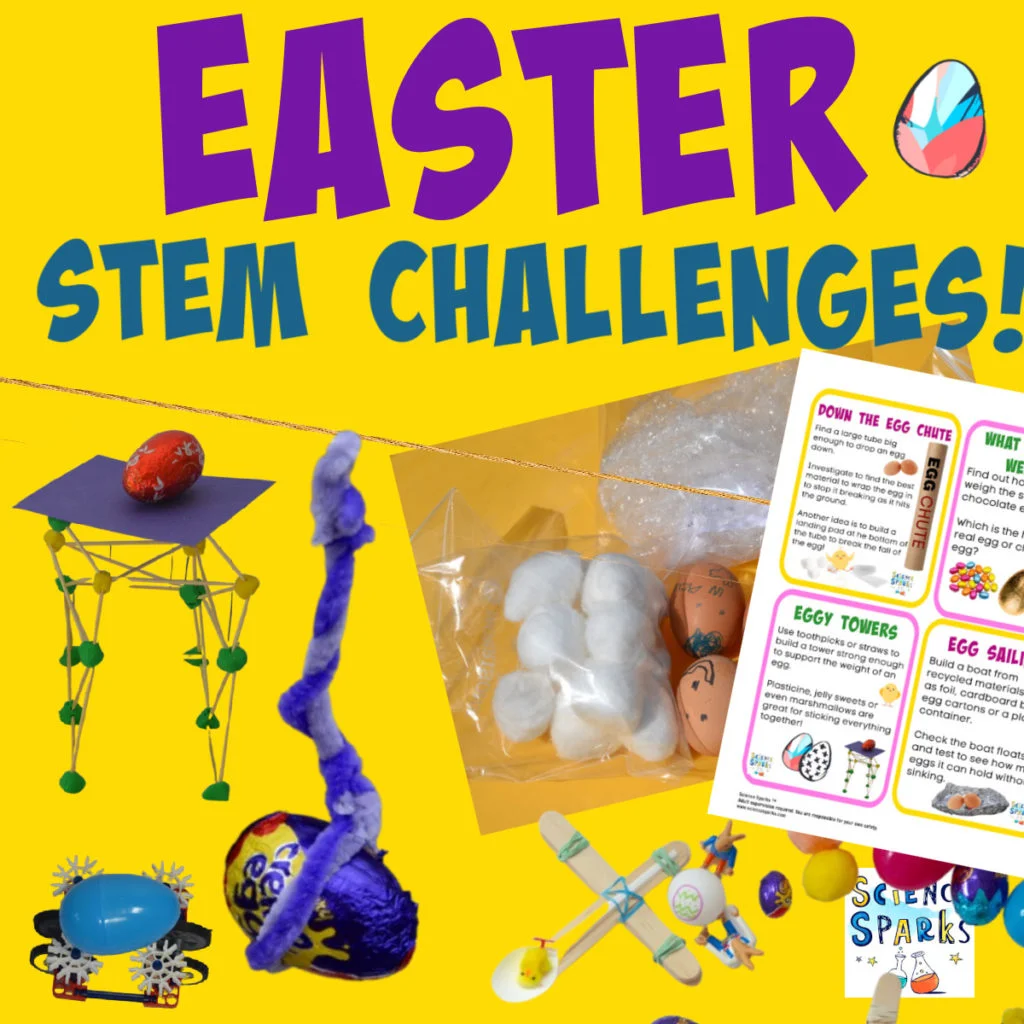
With Easter around the corner, it's an excellent time to dive into some engaging STEM activities that can spark curiosity in children. These projects not only provide fun but also offer opportunities for hands-on learning and creativity. We’ve compiled a series of challenges that families can tackle together, encouraging young minds to explore scientific concepts through play. By integrating seasonal themes, these activities not only entertain but also educate on fundamental scientific principles.
Key Approaches to Successful STEM Activities
One key takeaway for any successful STEM initiative is simplicity. Opt for projects that require minimal preparation and materials. Parents often find it challenging to gather a long list of items, so keeping things straightforward maximizes participation and enjoyment. Simplicity in these activities allows for more engagement; when families can quickly assemble materials, it eliminates barriers that would otherwise halt the creative process. The objective is to inspire kids without overwhelming them—or their parents—right from the get-go.
Another important aspect is clarity. Clear instructions mean children can focus more on the concepts at hand rather than deciphering complex methodologies. Moreover, a structured approach can instill a sense of achievement and satisfaction, not just in the end product but throughout the learning journey.
Creative Easter STEM Challenges
Eggy Zip Wire
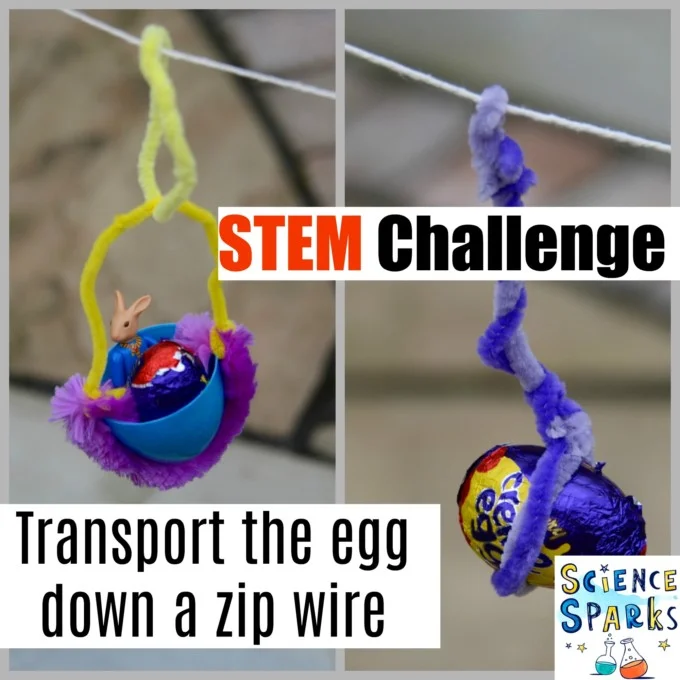
This activity encourages participants to design a harness that transports an egg down a zip wire. It's a fascinating way to explore concepts like friction and gradients. By experimenting with different string materials, kids can observe firsthand how these factors affect the friction and speed of the egg's descent. Setting this up outdoors between two trees can be thrilling, but it works well indoors as well. Engaging in this experiment allows children to grasp the basics of physics in a playful manner.
Save the Egg
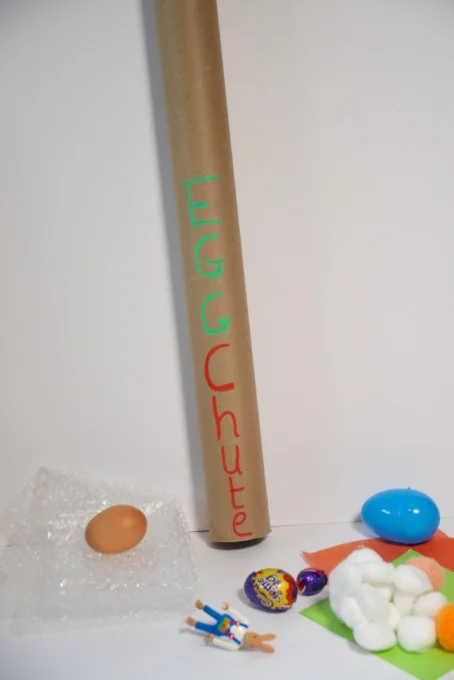
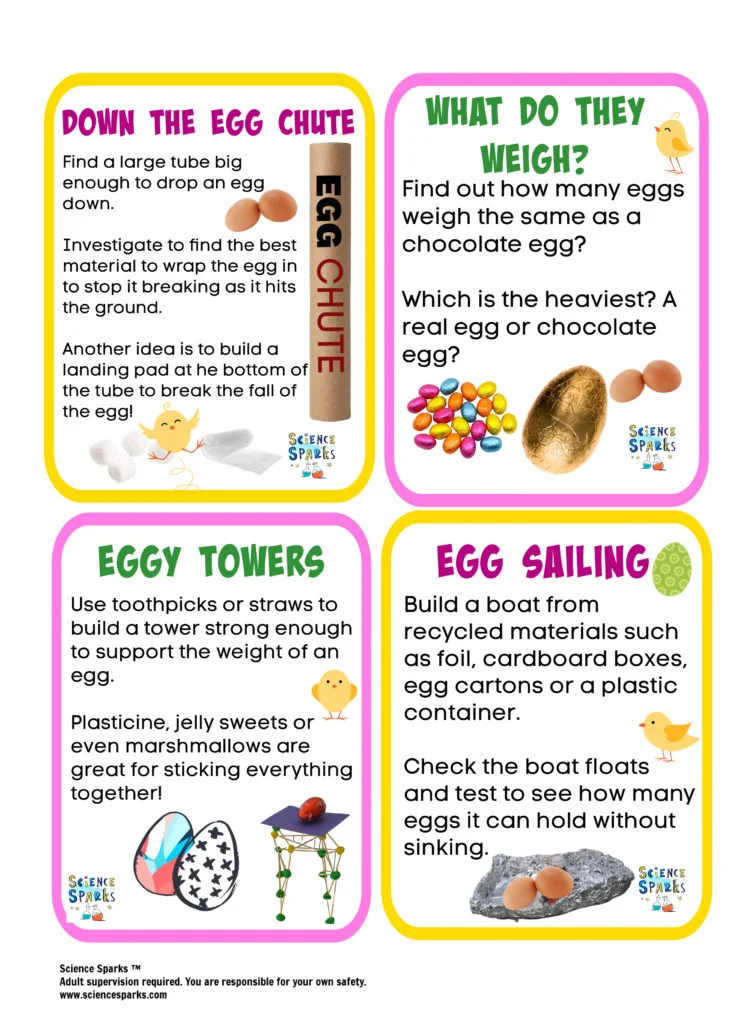
Children are tasked with wrapping an egg carefully enough so it survives a drop from a height. Using materials that might otherwise be discarded makes it an exciting and eco-friendly activity. A cardboard tube works well for the drop challenge, but if that's unavailable, dropping from shoulder height can suffice. This challenge emphasizes engineering principles—kids learn through trial and error how to best insulate their fragile cargo. It encourages creativity in problem-solving while fostering an appreciation for environmental responsibility.
Weighing Eggs
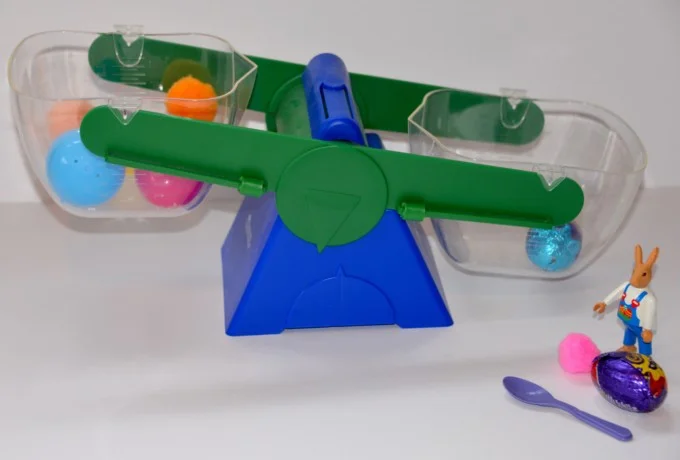
Using a small balance scale, this activity lets kids measure how many plastic eggs equal the weight of a chocolate egg. It's a fun way to get familiar with weights and measurements while comparing different egg types. This hands-on approach to math not only solidifies fundamental concepts but also offers a tactile experience that reinforces learning. If you're working in this space, the value of making abstract concepts tangible can't be overstated.
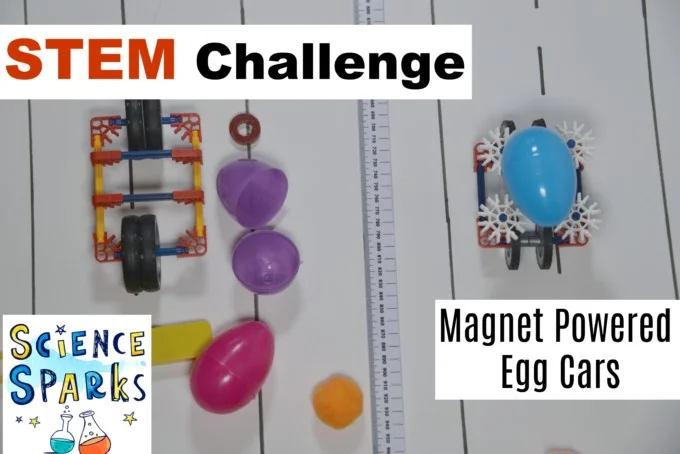
Magnet Powered Egg Cars
In this straightforward challenge, insert a magnet into a plastic egg to create a simple moving car. This activity clearly illustrates the principles of magnetism in a visually engaging manner. Children can experiment with various weights attached to the egg cars, observing how magnet strengths can influence speed and movement. A simple lesson in physics, this activity also opens the door to discussions about magnetism in everyday life, showing its relevance and application beyond the classroom.
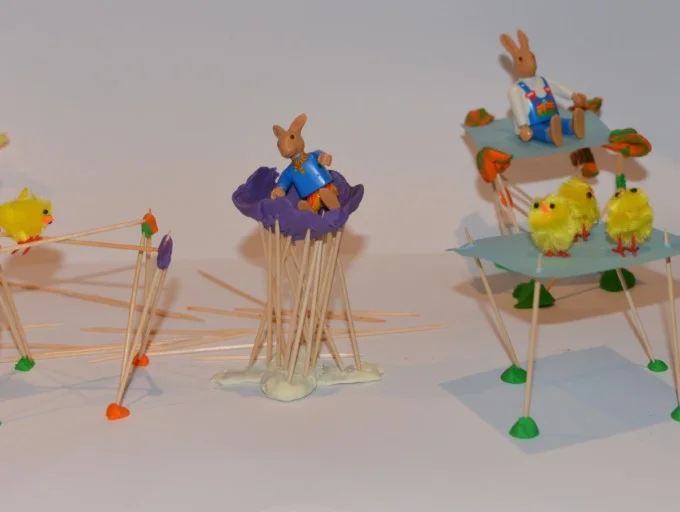
Toothpick Towers
Challenge young engineers to build a tower capable of supporting an egg using just toothpicks and plasticine. This task encourages kids to think critically about structural strength and design principles. Here’s the thing: balancing creativity and functionality is a key lesson in engineering. As they build, kids learn about weight distribution and stability, making it an excellent introduction to architectural concepts.
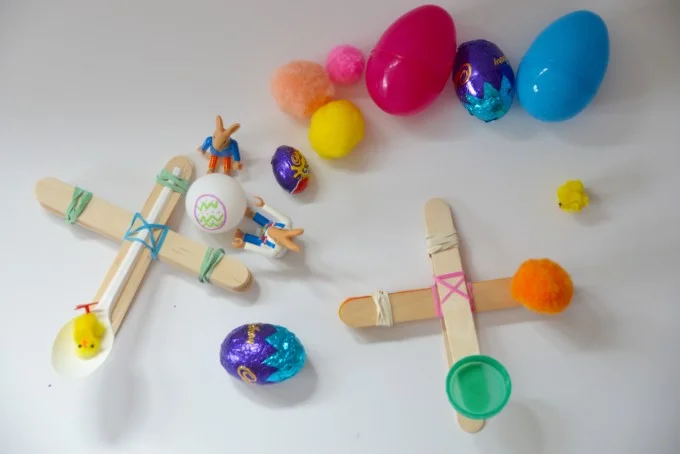
Catapult Creations
In this activity, kids can craft a catapult with popsicle sticks to launch plastic eggs. Kids can also create egg-shaped targets for added fun in the challenge. This combines basic physics with an understanding of force and trajectory, allowing young learners to engage actively with the principles of motion.
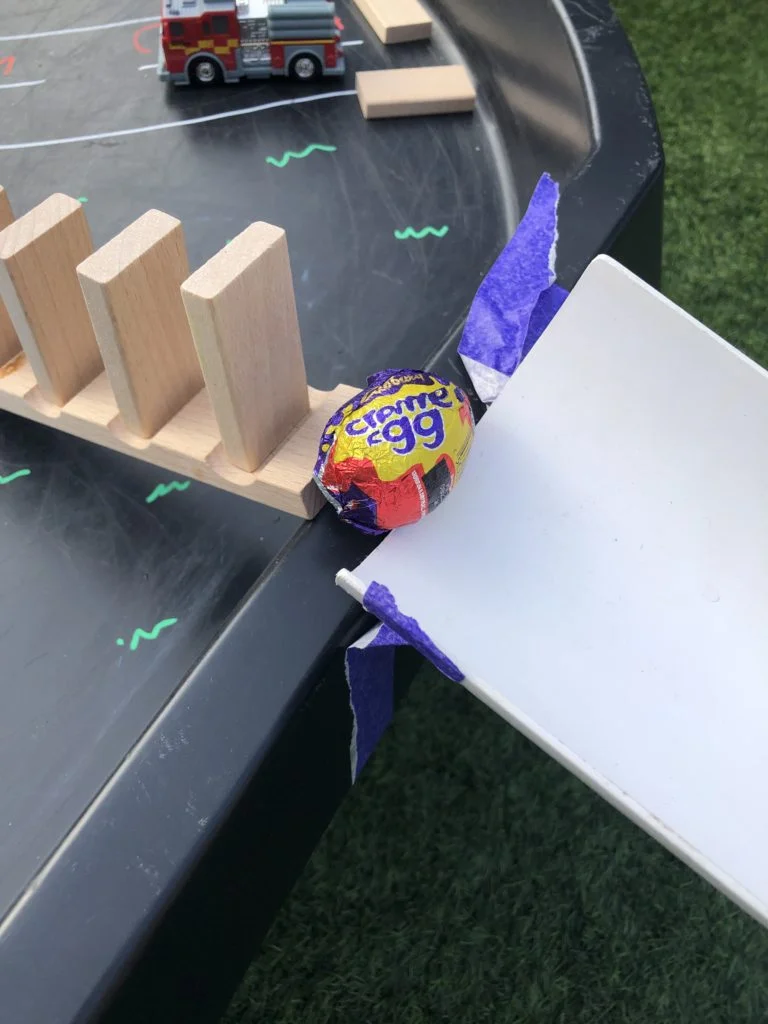
Chain Reaction with Eggs
Create a complex chain reaction using everyday items, substituting a chocolate egg for traditional balls. Dominoes, toy cars, and various household objects can be creatively employed to bring this concept to life, enhancing problem-solving skills in a fun way. Through trial and error, children can learn about cause and effect while honing their engineering skills, making this splendid fun. (and this is the part most people overlook.) This challenge encourages strategic thinking and project planning, skills that extend well beyond the activity itself.
Pneumatic Egg Opening
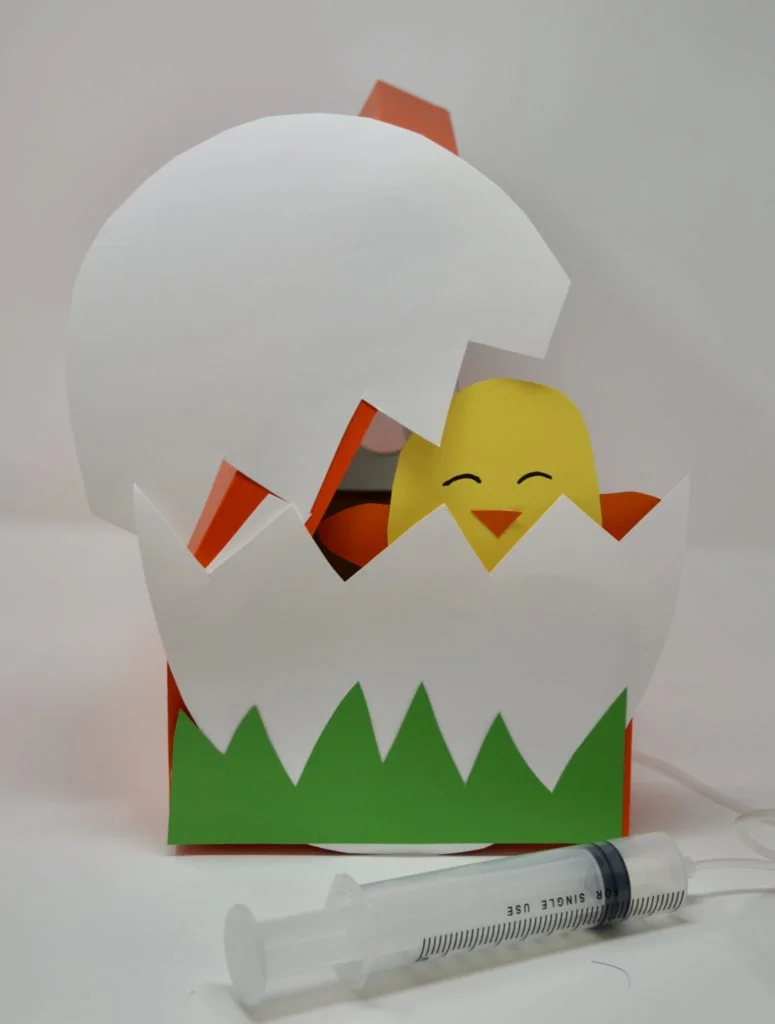
For a unique challenge using pneumatics, kids can use two syringes and plastic tubing to open a decorated shoebox resembling a chick within an egg. This project introduces concepts of pressure and mechanics in an engaging way. The tactile experience of working with syringes allows kids to grasp scientific concepts often deemed too complex or abstract. This micro-experiment not only teaches but also sparks interest in fields like engineering and the sciences.
For more inspirations, printable cards featuring easy Easter STEM challenges are available if you want to take your activities to the next level. These cards can make planning simpler and more streamlined, ensuring families can focus on what matters: learning and fun together.
Additional Easter STEM Ideas
Various resources offer more Easter-related activities, such as challenges to build egg towers or experiment with launching eggs using basic mechanics. You might want to explore how many helium balloons it takes to lift objects of different weights or create hidden surprises in eggs for a guessing game. These activities not only maintain engagement but also steer children toward innovative thinking. Can you think of any more exciting egg-themed STEM challenges to enhance the Easter experience? Engaging kids in these projects could potentially spark a lifelong interest in science. What this means for you is a chance to take on a role that nurtures curiosity, one egg-citing experiment at a time.
Looking Ahead: The Significance of STEM Activities
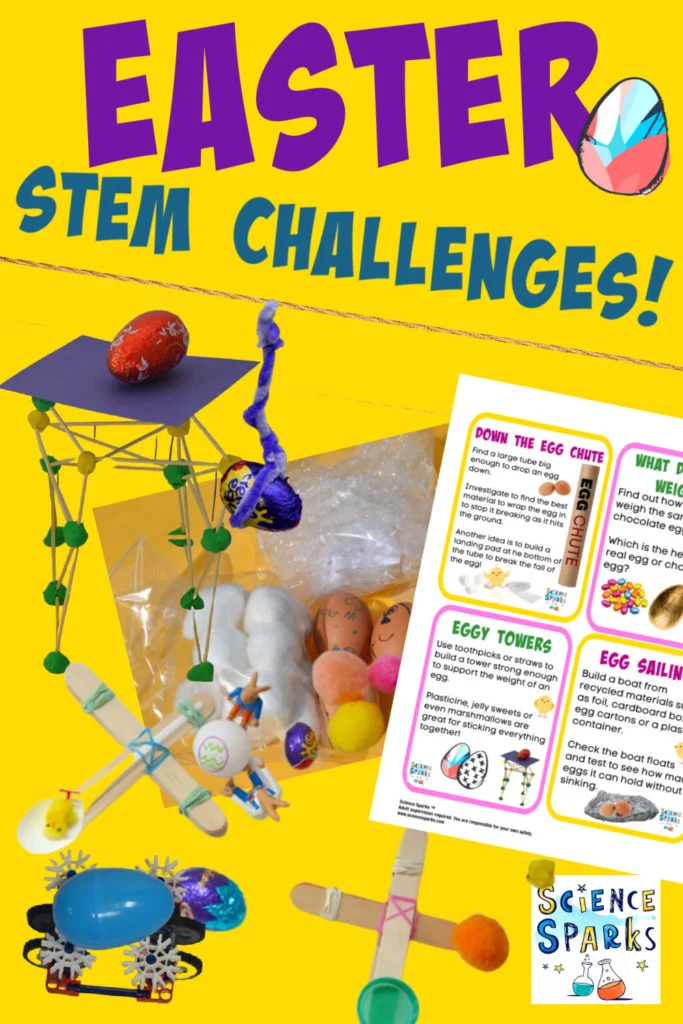
Incorporating STEM challenges, especially around festive occasions like Easter, isn't just about keeping kids busy. These experiences foster a love for learning and experimentation. Such activities serve as a bridge between theoretical concepts and hands-on practices, reinforcing how scientific principles apply in everyday life. As children engage with these challenges, they're not just having fun—they're building critical thinking and problem-solving skills that define successful learners and innovators. This approach can sow the seeds for future pursuits in science, technology, engineering, and mathematics.
While parents are busy creating memorable traditions, they’re also cultivating a mindset that values inquiry and creativity in their children. The impact is greater than it seems; by emphasizing STEM at such a young age, families can inspire the next generation of thinkers and doers. In a world where technology continues to shape our daily lives, encouraging these key skills can prepare children to navigate an increasingly complex future.
Discussion
Sign in to join the discussion.