Baking soda and baking powder serve different purposes in recipes, with unique activation processes that affect baked goods.
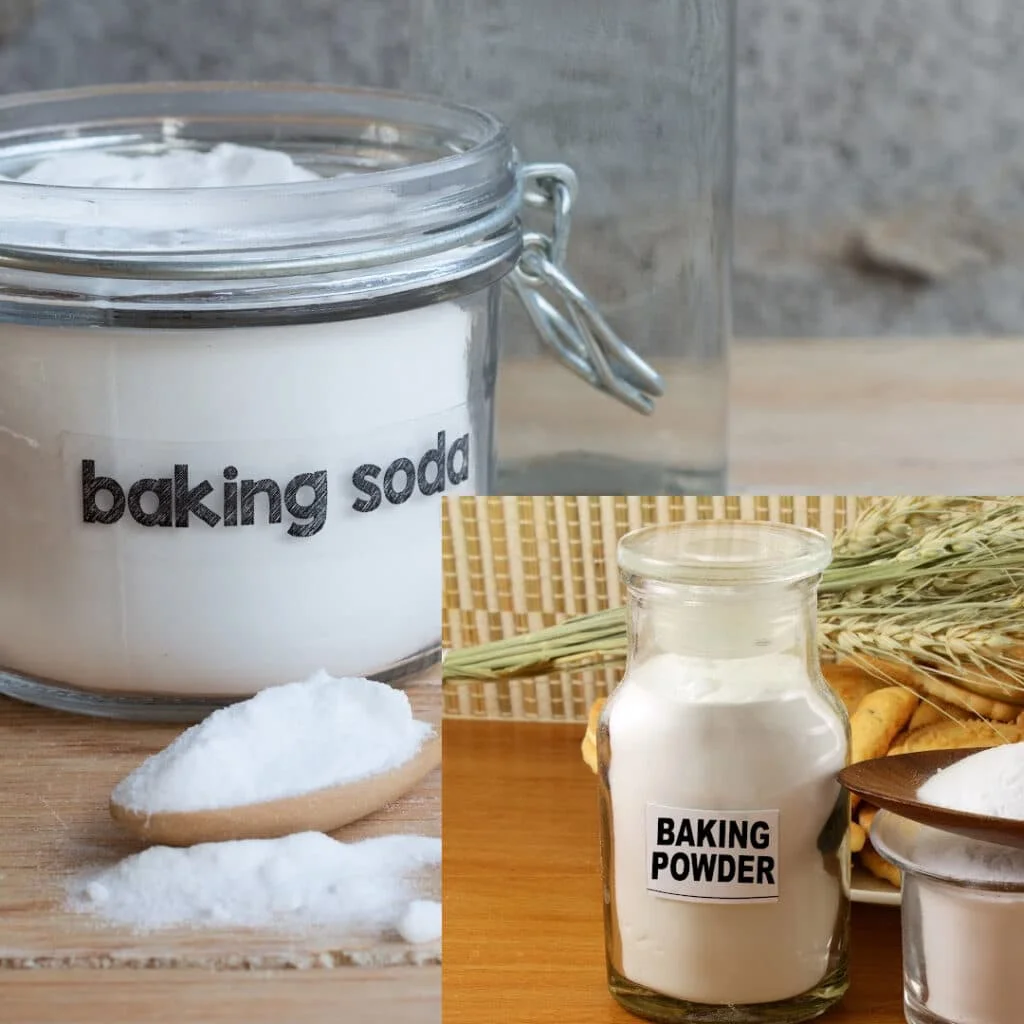
Leavening Essentials
Baking soda and baking powder often cause confusion due to their similar roles in baking. Both act as leaveners, adding air to mixtures, particularly in breads and cakes. Understanding these two vital ingredients isn't just a matter of chemistry; it can dramatically affect the outcome of your baked goods. The success of a recipe can hinge on whether the right leavener is used and how it is incorporated into the mixture.
The Chemistry Behind Leavening Agents
The primary distinction lies in their activation. Baking soda (or bicarbonate of soda) requires an acidic component to function, while baking powder combines sodium bicarbonate with cream of tartar, which is an acid itself, needing only heat and moisture to activate. This difference in activation mechanisms is what determines when and how each leavener should be used. A common mistake for amateur bakers is assuming they can interchange one for the other without consequence, but this approach rarely yields favorable results.
With baking soda, the chemical reaction kicks off as soon as it interacts with an acid—like yogurt, buttermilk, or vinegar. Given how rapidly this reaction occurs, recipes using baking soda often require immediate cooking. In contrast, baking powder contains both the acid and the base, allowing it to activate with heat. The dual-acting variety of baking powder even has a two-step activation: once when it's mixed with a liquid and again when it’s heated. This means you have a bit more flexibility in terms of time when using baking powder.
Application in Recipes
In practical terms, recipes that use baking soda are prepared for immediate cooking, such as pancake batter, where the reaction begins as soon as the acid is introduced. If you leave that batter sitting for too long, you'll miss out on the light, fluffy texture that baking soda can provide. On the other hand, baking powder can be added to mixtures that will sit for a while before cooking. Think about recipes for cakes and cookies where dough may need to rest before baking; this is particularly advantageous when you’re prepping multiple pans or working in batches.
A useful rule of thumb is to look for the acid in your recipe. If it calls for something acidic, like brown sugar, buttermilk, or lemon juice, baking soda is likely the right choice. If there's no acid present, baking powder is your go-to. This distinction fundamentally impacts the flavor, texture, and overall success of your baking endeavors.
Practical Tips for Using Leaveners
As simple as these ingredients may seem, a few practical tips can make a world of difference in your baking experience. First, always check the freshness of both baking soda and baking powder. They have a shelf life and lose potency over time. To test baking soda's effectiveness, add a teaspoon to vinegar; if it fizzes, it’s good to go. For baking powder, mix it with hot water; if it bubbles vigorously, it’s still active.
When measuring these ingredients, precision is vital. Too much baking soda can lead to a soapy taste and overly dense texture, while too little may not provide enough leavening power. Baking powder often comes in double-acting varieties, which can influence how you adjust portions based on your recipe’s requirements.
Fun Science with Baking Soda
For a hands-on experience, the interaction between baking soda and vinegar creates a rapid bubbling reaction, making it a favorite in science experiments. This reaction is an excellent way to engage kids with chemistry, illustrating how gases are produced and how they can cause movement and expansion. This isn’t just a fun diversion; it has practical implications in baking, too. Understanding gas production is key to mastering the art of leavening in culinary applications.
Implications for Home Bakers
If you're working in this space, whether casually or professionally, realizing the roles of baking soda and baking powder serves more than just practical baking knowledge. It informs how flavors develop and textures change through chemical reactions. The right use of these leaveners can elevate your baking from amateur to professional levels. The meticulous nature of baking necessitates a careful application of knowledge, which is why mastering these essentials is universally advantageous.
The differences between baking soda and baking powder might seem trivial at a glance, but overlooking them can lead to overcooked cakes or underbaked cookies. Mastery of these elements signifies a deeper understanding of baking science, and how ingredients interact can take your cooking identity to a nuanced level.
In this regard, the exploration of baking science not only heightens the baking experience but also instills confidence. And yet, along with confidence comes the awareness that not all baking recipes are created equal. What works in one context may not translate seamlessly to another, which means that even seasoned bakers constantly learn and adapt their knowledge.
The post What’s the difference between baking soda and baking powder? appeared first on Science Experiments for Kids.
Discussion
Sign in to join the discussion.