Discover effective kitchen hacks rooted in science that enhance cooking efficiency and food quality, from fluffy eggs to perfectly ripened avocados.
Food preparation is as much about understanding the science behind cooking as it is about following recipes. Whether it's using vinegar for preservation or salt to mitigate bitterness, science reveals practical techniques that can dramatically improve your culinary results. Here are some intriguing science-based kitchen hacks that can elevate your cooking efficiency and enhance the quality of your dishes.
Six Practical Science-Based Kitchen Hacks
1. Achieve Extra Fluffy Eggs
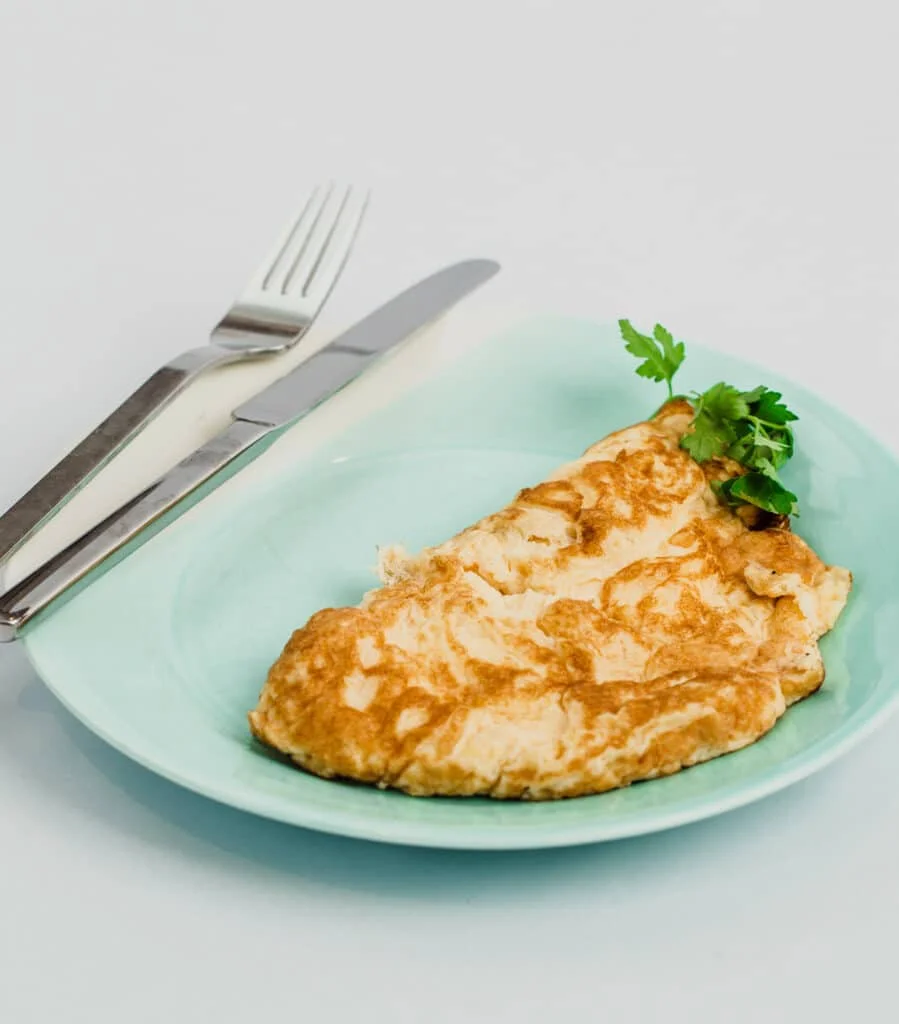
If you want to enhance your omelettes, consider adding soda water. Mix two tablespoons of soda water with three eggs before cooking. This small tweak can make a significant difference. The resulting texture is noticeably lighter and airier, which can elevate even the simplest breakfast dishes into something special.
Why It Works
The bubbles of air present in soda water expand as the eggs heat, resulting in a light and airy texture in your omelette. This principle isn't just confined to egg dishes; similar techniques are used in many types of batter-based dishes. So, if you're aiming for a delicate soufflé or making pancakes, consider incorporating some form of carbonation to achieve that sought-after fluffiness.
2. Create Butter from Cream
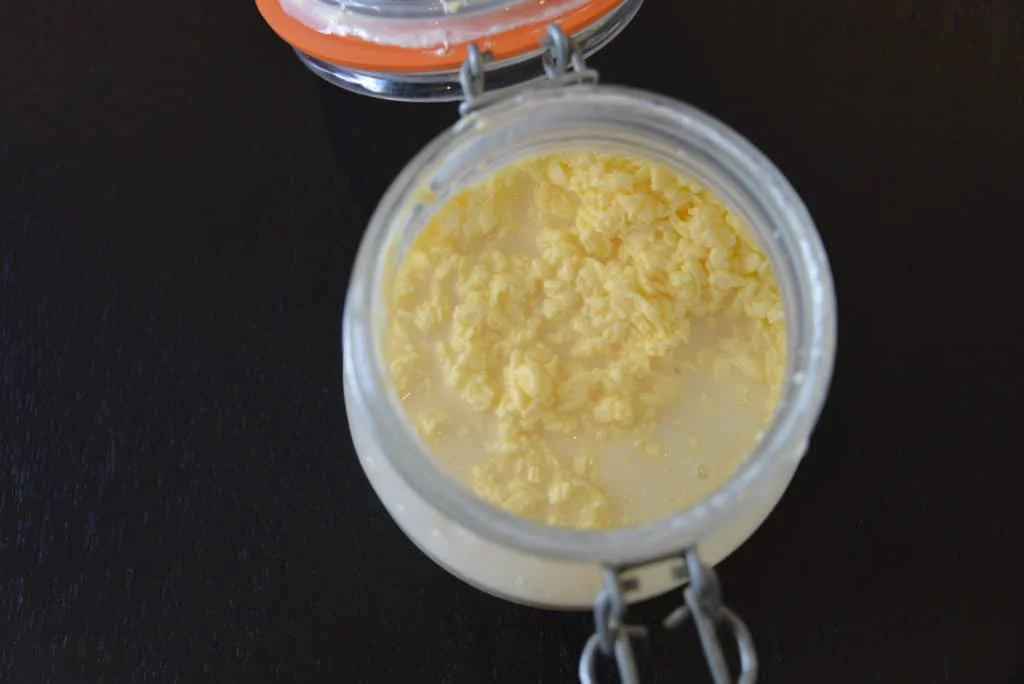
Ran out of butter? No problem! You can easily make butter by shaking cream in a jar for about 5-10 minutes. Just ensure the lid is securely fastened. This method isn't just a fun kitchen hack; it gives you an appreciation for the transformation of dairy from liquid to solid.
Why This Works
Cream is a colloidal mixture of tiny fat particles suspended in water. Shaking the jar prompts the fat particles to clump together, resulting in butter. This process, known as churning, can be replicated in a range of settings, and it brings to light the transformative power of simple physical changes.
3. Preserve Your Fruit Salad
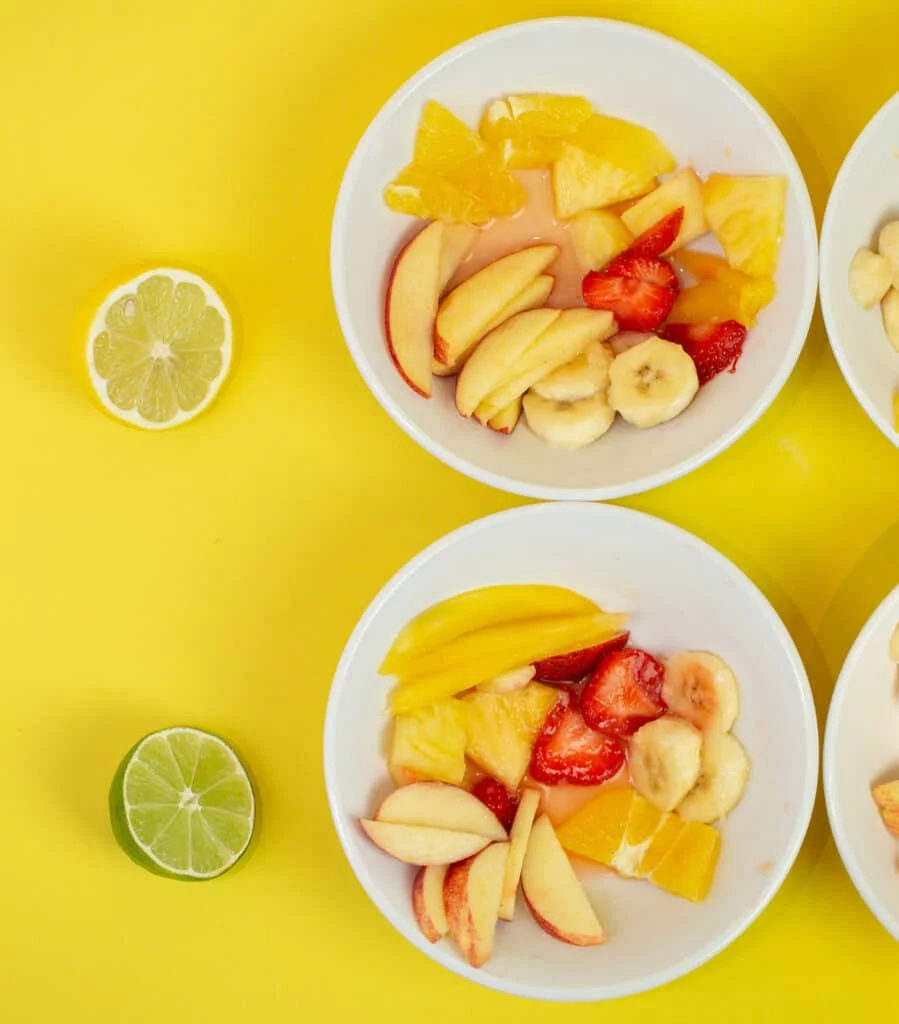
To keep your fruit salad fresh and prevent it from browning, coat it with juice from citrus fruits like oranges, lemons, or limes. This simple step not only maintains the visual appeal of your salad but also adds a delightful zing to the flavor profile.
Understanding the Process
The browning of fruits is due to a process called enzymatic browning, which occurs when the cut surface of the fruit interacts with oxygen. The acid in citrus juice lowers the pH, inhibiting the enzymes responsible for this reaction. You'll find this technique particularly helpful for fruit salads that include apples or bananas, which tend to brown rapidly.
4. Prevent Raisins from Sinking in Cake
When baking fruit cakes, raisins often sink to the bottom due to their slippery surface. To keep them suspended, dust them lightly with flour before folding them into the batter. This is a practical tip that can make a big difference in the final presentation of your cake.

5. Speed Up Avocado Ripening
If you’ve got hard avocados, place them in a paper bag with either a banana or a kiwi. This method accelerates the ripening process significantly, giving you perfectly soft avocados in no time.
Avocados are climacteric fruits, which means they continue to ripen post-harvest. The gases emitted by bananas and kiwis enhance this effect. This is a nifty trick for anyone who's ever planned a meal around the perfect avocado, only to find that they’re still hard as a rock.

What Happens Here
The ethylene gas released by the fruit accelerates ripening, and the paper bag traps this gas, enhancing the effect even more. It’s a simple yet effective strategy that you can easily implement in your kitchen.
6. Chill Drinks Quickly
If you need to cool down a beverage fast, mix ice with water and add salt. This combination can chill your drink in just five minutes. It’s a perfect hack for those impromptu gatherings where you want to impress guests with frosty beverages.
Why It Works
Salt lowers the freezing point of ice, so when mixed with ice and water, it creates a colder environment that extracts heat from the beverage, effectively chilling it faster. This principle can be applied to other settings—like cooling ice creams—where quick results are necessary.

Understanding Baking Ingredients
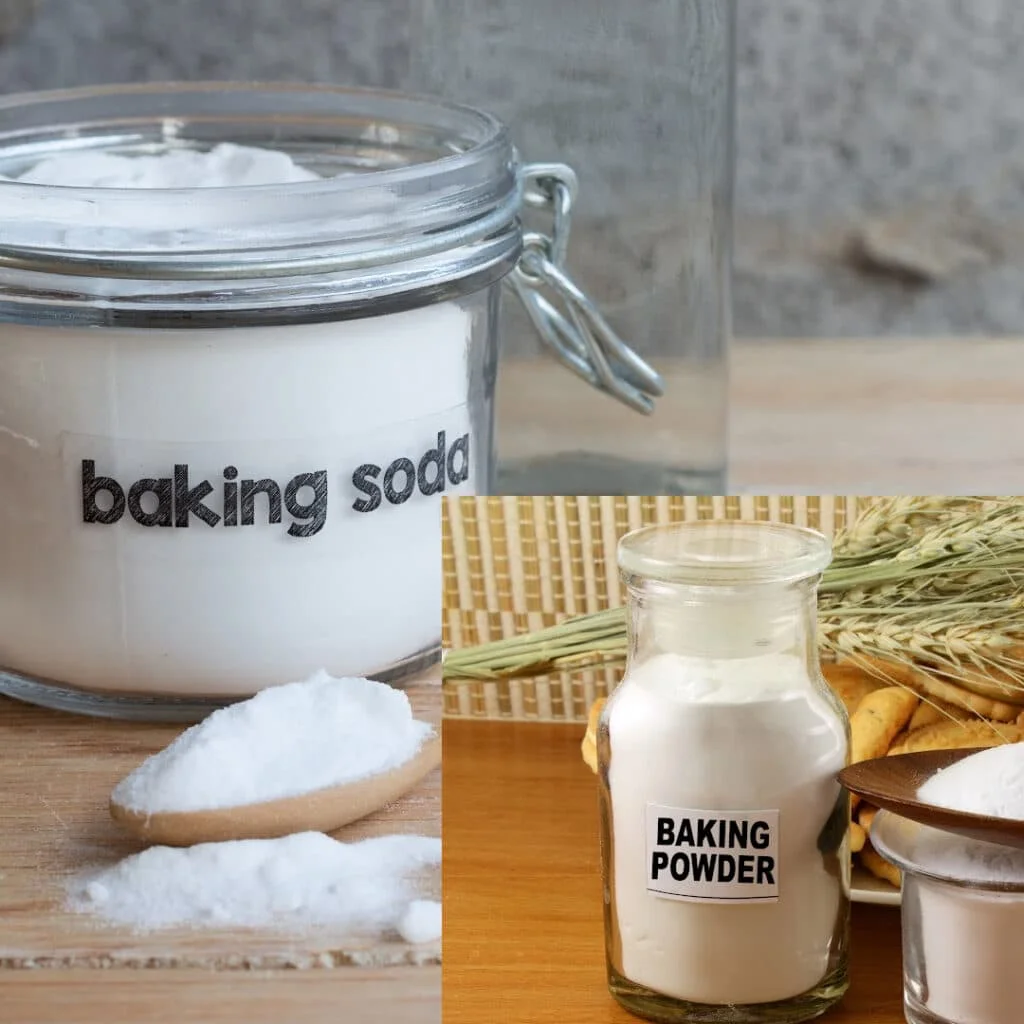
It’s easy to confuse baking soda with baking powder. Baking soda requires an acid to activate, while baking powder contains an acid and works immediately. If you’re not familiar with the differences, your cakes could end up dense and flat, ruining your efforts.
More Science-Based Kitchen Insights
For added culinary finesse, always salt your pasta water. Salt not only enhances the flavor of the pasta but also increases the boiling point, allowing for better cooking. If your sauce is too thin, thicken it with a mixture of cornflour and water—this is a technique you might find particularly useful during last-minute meal prep. To reduce tears when cutting onions, consider refrigerating them beforehand or cutting them with a sharp knife to minimize cell damage. These little tricks can save you time and improve your dishes.
If you're intrigued by these kitchen hacks, you might also enjoy exploring further kitchen chemistry experiments!
The original content can be found on Science Experiments for Kids.
Implications and Future Outlook
These kitchen hacks are more significant than they seem on the surface. They’re not just shortcuts but offer insight into the science of cooking and food preparation. By understanding the underlying principles, you can make smarter decisions about your cooking processes. If you're working in this space or even just love to cook at home, this knowledge allows for greater creativity and less food waste. As more people become aware of these scientific principles, we might just see a cultural shift towards more mindful cooking practices that prioritize efficiency and waste reduction.
Discussion
Sign in to join the discussion.