Uncover five accessible milk-based experiments that blend fun with learning, perfect for curious minds eager to explore kitchen science.
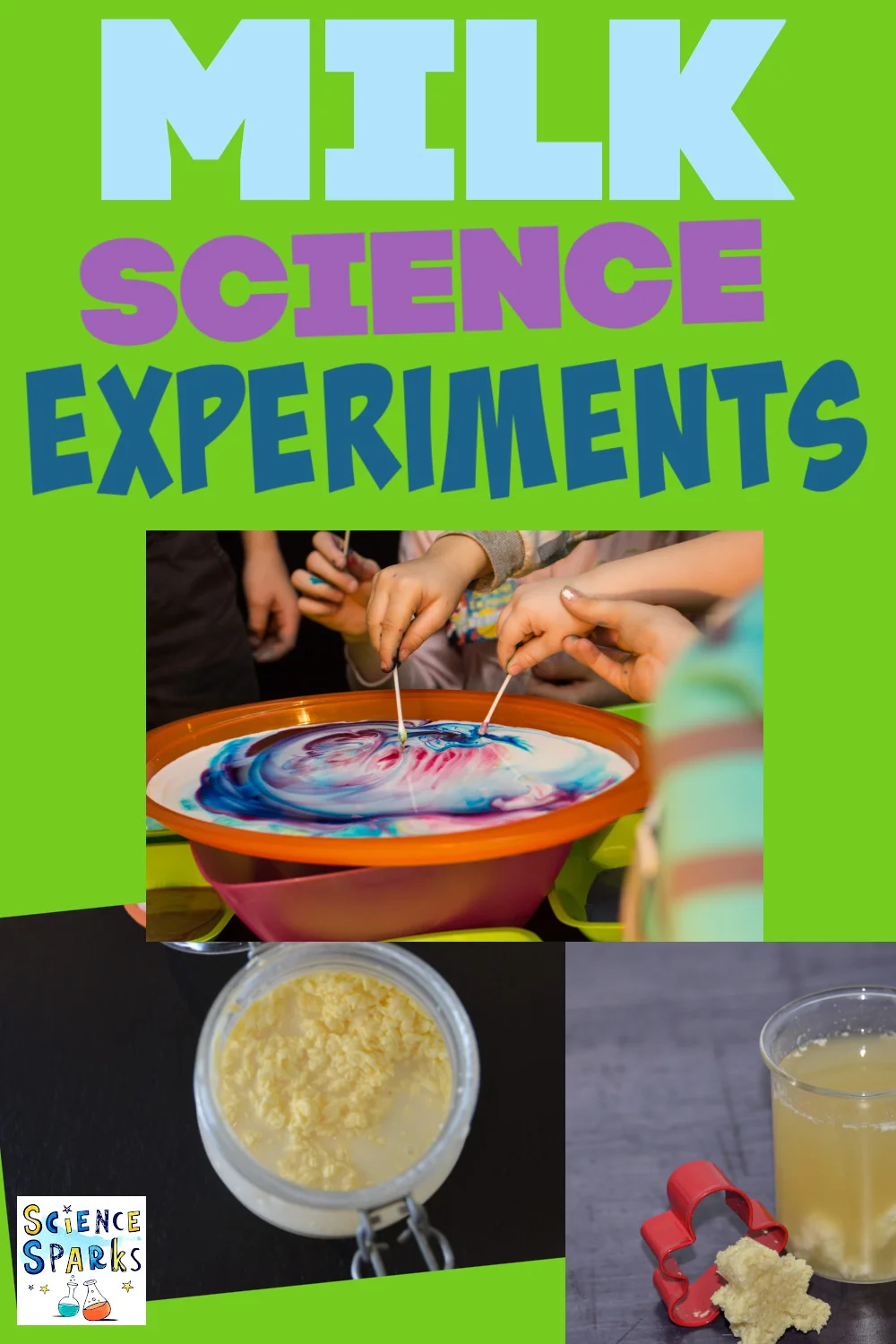
If you're eager to spark curiosity in science through engaging kitchen experiments, these five milk-centric activities offer an excellent starting point. By utilizing basic kitchen ingredients, these experiments not only entertain but also educate about essential scientific concepts. Cooking and scientific inquiry aren't mutually exclusive; quite the contrary. They often intersect, creating a rich environment for learning.
Milk Science Experiments
Homemade Ice Cream
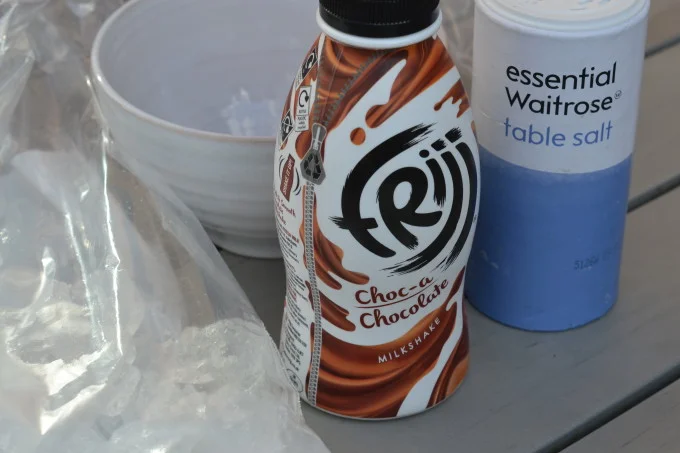
Believe it or not, you can whip up ice cream in less than 10 minutes using just milk, ice, and salt—sans a freezer! This quick and fun activity introduces kids to the concept of freezing point depression, which is how adding salt to ice lowers its freezing point, making it possible to churn ice cream in a bag with just basic ingredients. By simply mixing in your favorite flavorings, you can create a tasty treat while demonstrating a principle of physical chemistry that plays a crucial role in various food preservation methods.
Creating Milk-Based Glue
Utilizing milk, white vinegar, and baking soda, this experiment transforms milk into glue through a fascinating curdling process. The vinegar causes a chemical reaction that curdles the milk, effectively separating it into curds and whey—an age-old process that demonstrates protein denaturation. This activity not only illustrates chemical reactions but also provides a hands-on way to test the glue's strength. However, supervision is necessary while heating the mixture, making it a perfect parent-child bonding experience alongside a fun science lesson.
Butter from Cream
Have you ever thought about making your own butter? This straightforward endeavor does require some high-quality double cream and a bit of elbow grease, but it offers an intriguing insight into the mechanics of emulsification, where fat droplets in the cream clump together to form a solid mass. The transformative journey from liquid cream to solid butter serves as a delightful way to engage kids with a little science and a lot of fun. What better way to appreciate the homemade than to spread it on fresh bread afterward?
Milk Ornament Creation
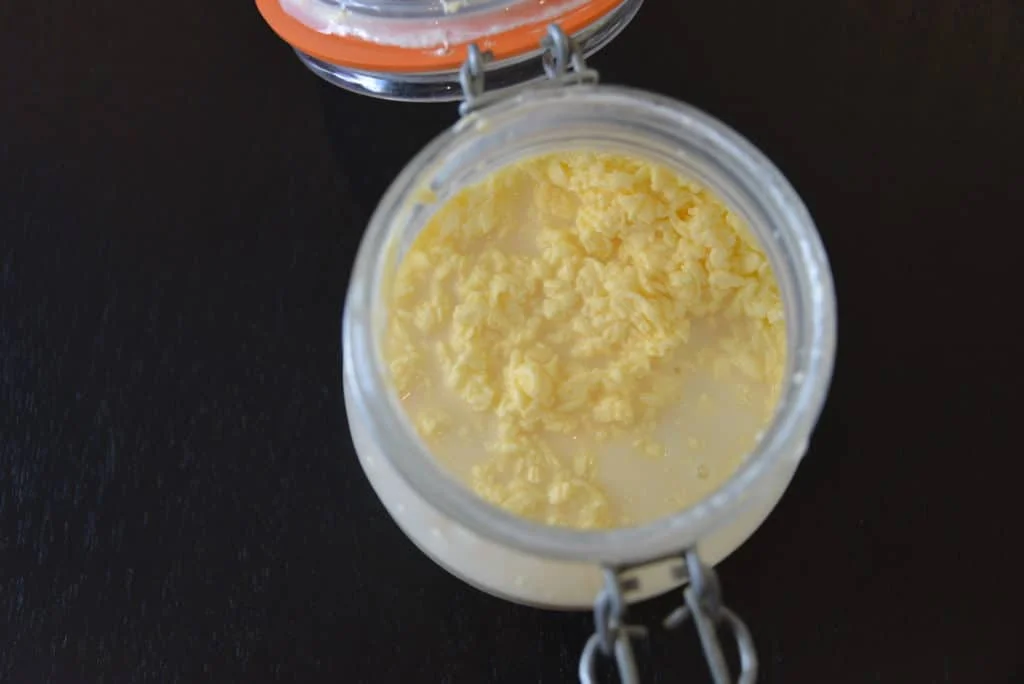
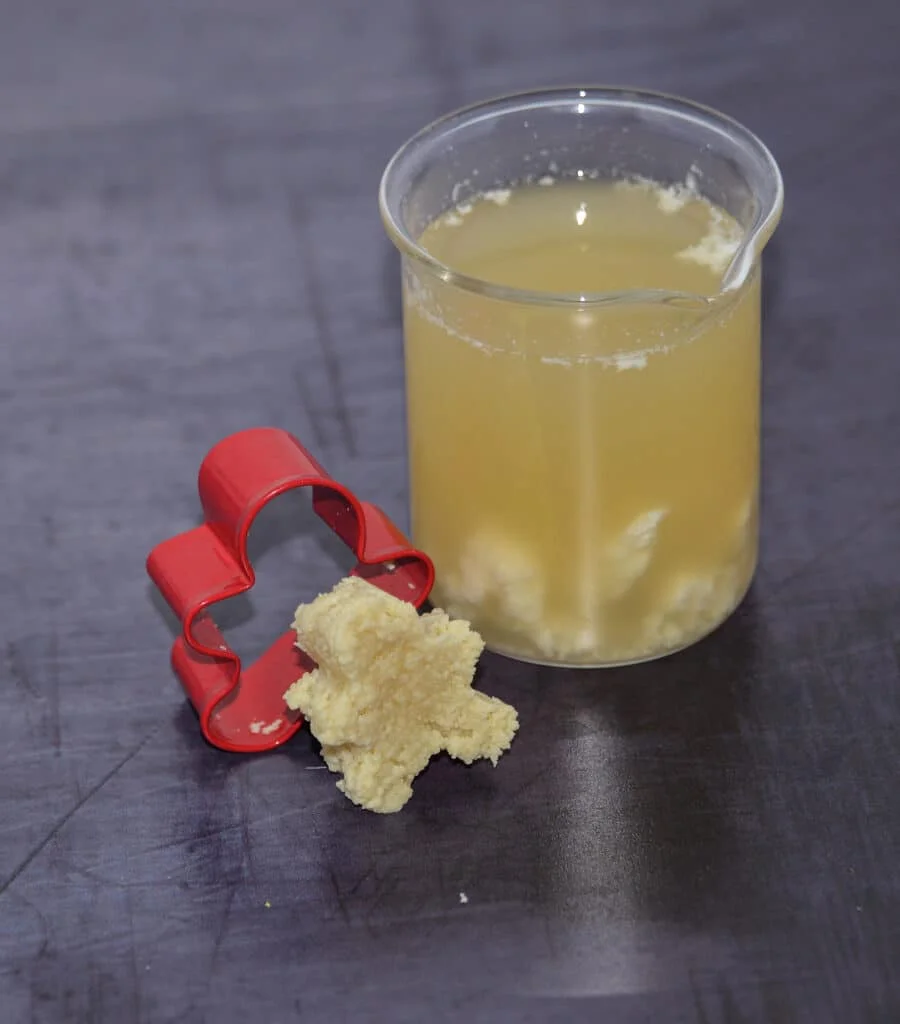
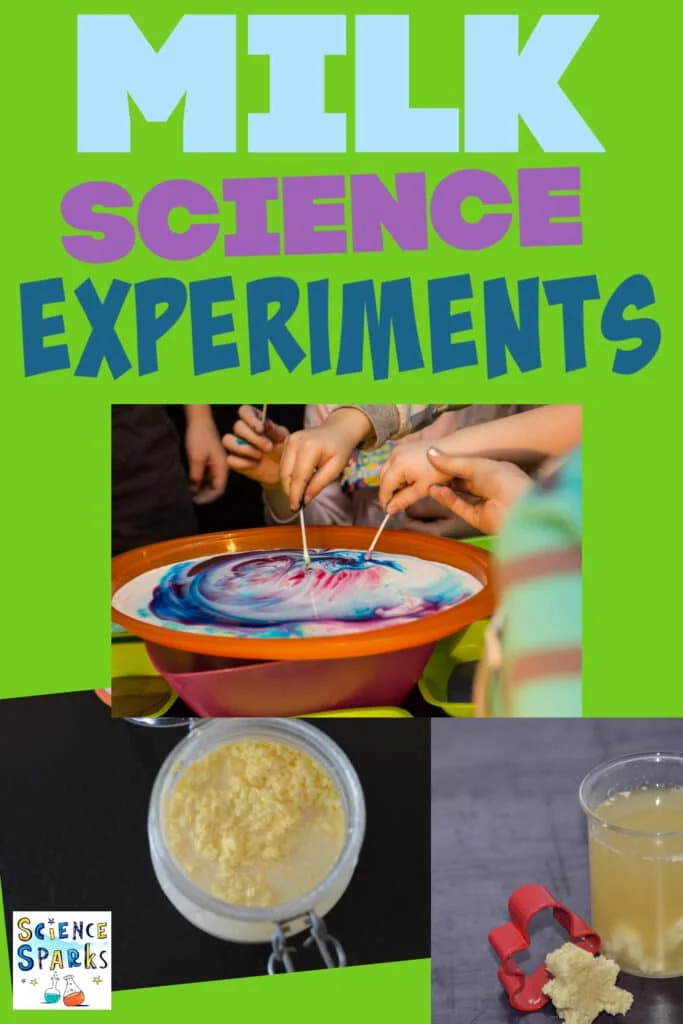
This craft involves a similar curdling process with milk and vinegar, resulting in sculptable curds. Often referred to as creating plastic milk, this experiment allows children to mold small ornaments, transforming a simple kitchen item into a tangible representation of scientific principles. Here’s the part most people overlook: it combines artistry and science in a way that invites creativity, making the entire learning experience more engaging.
Colorful Milk Explosions
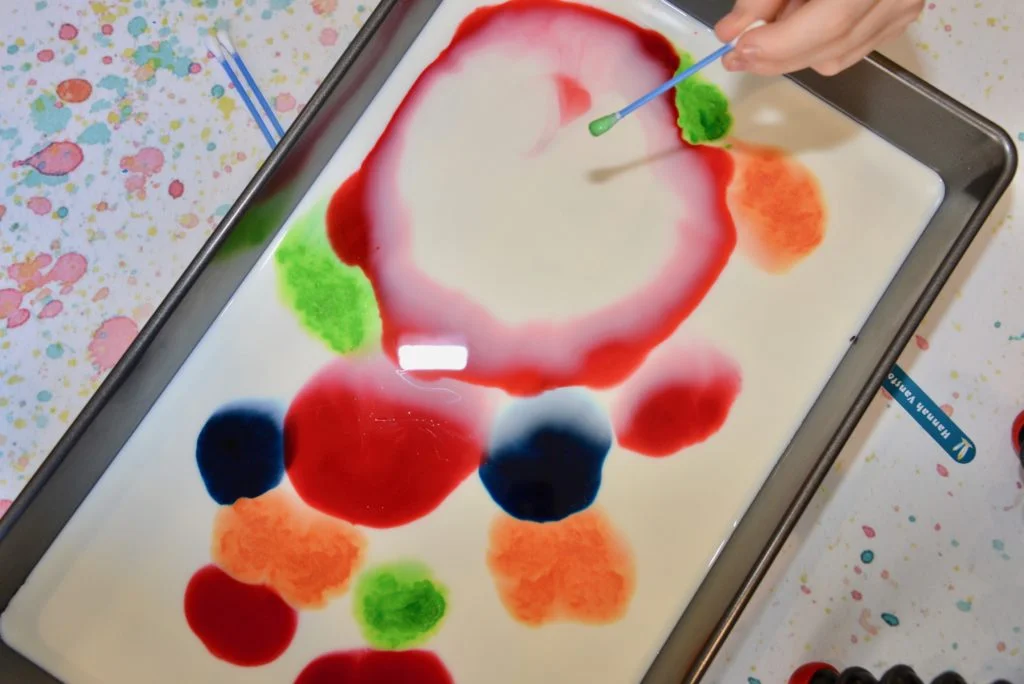
For a more visual treat, consider creating vibrant milk explosions using whole milk, food coloring, and dish soap. This dynamic experiment teaches children about emulsions and surface tension, as you'll witness colors burst and swirl in mesmerizing patterns. The visual spectacle not only captivates attention but also reinforces scientific concepts through a vibrant display. Engaging children in such visuals can spark a deeper interest in science, turning what might be a dull concept into an exciting exploration of color and chemistry.
If you have additional ideas for milk science experiments, I welcome your input! Engaging in dialogue not only enhances our communal knowledge but may spark even more creative ideas for future projects.
Broader Kitchen Science
Don’t miss out on more opportunities for kitchen-based science fun. You might explore plastic milk creations or dive into a kitchen science bake-off to experiment with yeast and various baking techniques. Baking, after all, isn't just about final results; it’s an exercise in patience and understanding reaction mechanisms within the dough that can also be hugely rewarding. If you're working in this space, these explorations can provide additional insights into how food science can have real-world applications.
For further engaging projects, check out my egg-science experiments or candy science experiments for an alternative take on kitchen science! Each of these experiments brings unique learning opportunities to the table, whether through the chemistry of eggs or the physics of sugar.
The post Engaging Milk-Based Science Experiments for Enthusiastic Learners appeared first on Science Experiments for Kids.
Implications and Future Outlook
This collection of milk-based experiments is more significant than it looks. They provide a platform for kids to grasp fundamental scientific principles while engaging in enjoyable activities. In an age where STEM education is becoming increasingly vital, these hands-on experiments might be the gateway to inspire a future generation of scientists. It’s increasingly important to encourage curiosity at an early age, especially in the culinary sciences. What this means for educators and parents is clear: these simple experiments could ignite a lifelong interest in science that extends beyond the kitchen. You might just discover, through these playful activities, the next great mind in scientific research.
Discussion
Sign in to join the discussion.