Discover the captivating magic milk experiment, a hands-on activity that illustrates chemistry concepts while providing visual fun for kids.
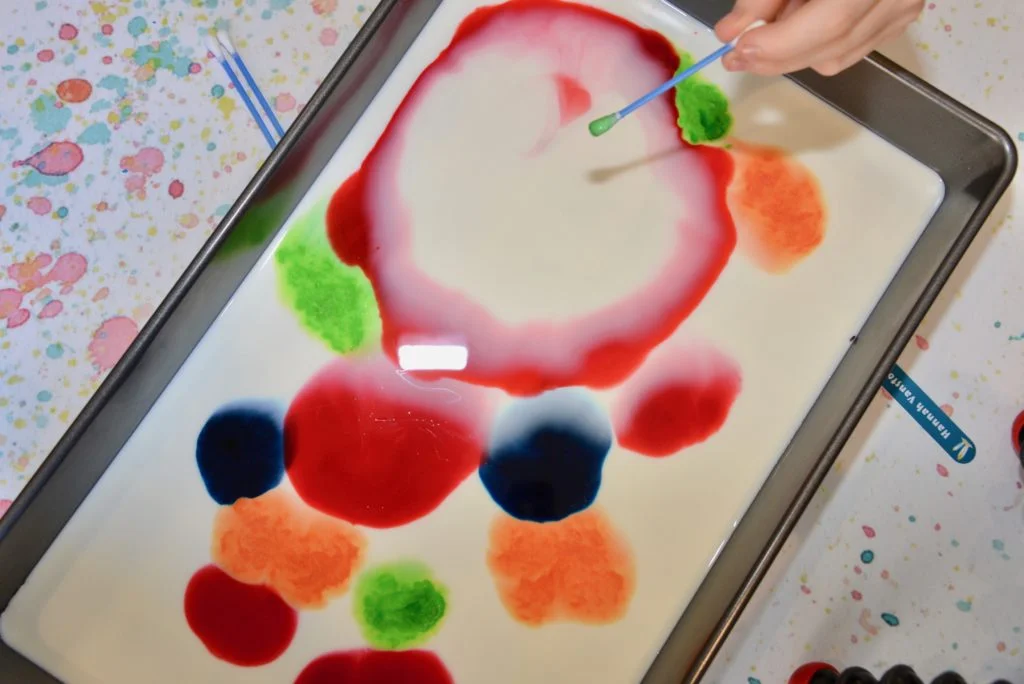
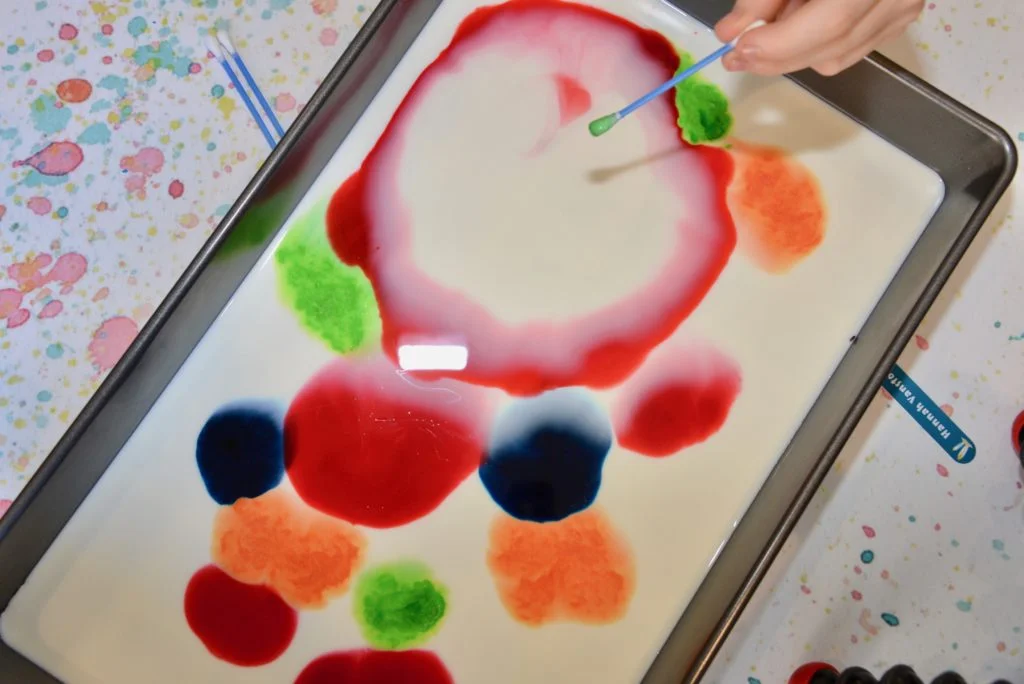
This engaging magic milk experiment is perfect for children of all ages and a great way to spark an interest in science. Using just whole milk, food coloring, and dish soap, kids can witness fascinating color patterns as they explore basic scientific principles. Such simple activities provide an entry point into the world of science that often feels distant or intimidating for younger audiences. It’s straightforward, visually stimulating, and at its core, educational. The questions that arise from watching the colors swirl and change can lead into deeper discussions about chemistry and biology.
The captivating result arises from the interaction between the milk's fat molecules and dish soap, making whole milk the ideal choice for this activity. Whole milk has a rich fat content that serves as the perfect medium for this experiment, while semi-skimmed and skimmed milks would likely dull the effect significantly. The activity strips away the complexity often associated with science, engaging children's natural curiosity and setting a foundation for further exploration.
Setting Up the Magic Milk Experiment
Materials Needed
- Whole milk
- A shallow dish or tray
- Food coloring
- Pipette for precise measurements
- Dish soap
Steps
- Pour a generous layer of whole milk into the tray.
- Drop food coloring in various spots on the milk surface.
- Add a few drops of dish soap directly onto the food coloring and observe the mesmerizing reactions.
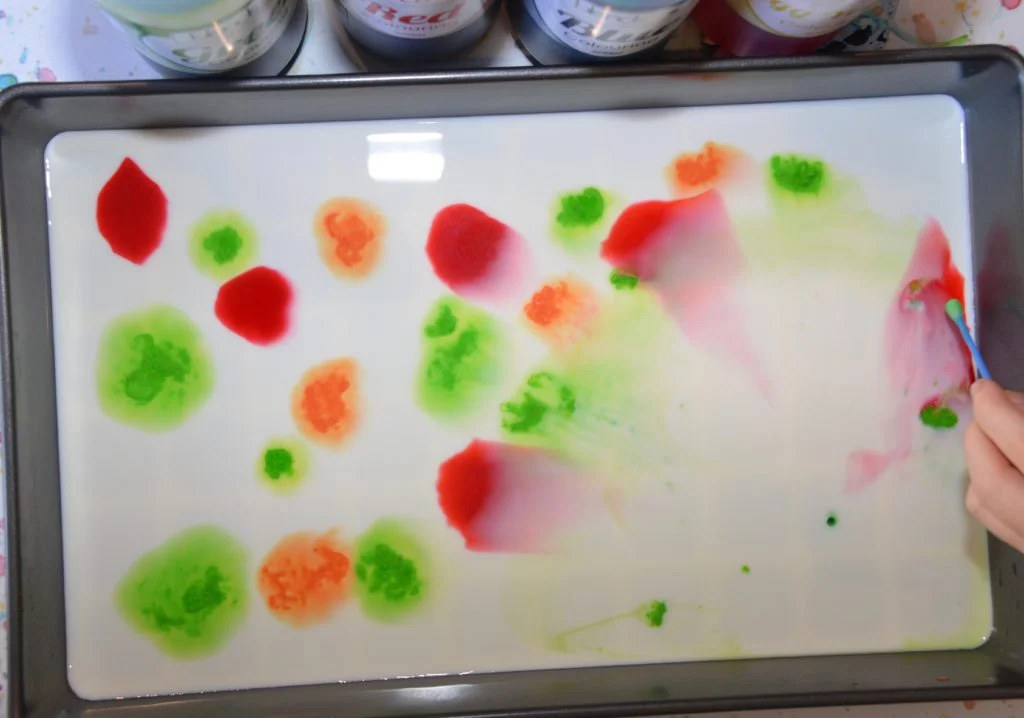
Safety reminder: Avoid consuming the milk after the experiment is complete. While the ingredients are commonly found in kitchens, the focus here is on the activity itself, especially as the dish soap isn't for ingestion.
What insights do you have from this colorful demonstration? Engaging with the experiment doesn’t just provide entertainment; it offers a hands-on approach to learning scientific concepts that may otherwise remain abstract. Questions like “Why does the color spread?” or “What happens if we change the amount of soap?” can be springboards into deeper discussions about the underlying science.
Scientific Explanation
The dish soap’s role is significant; it acts to break down the fat molecules within the whole milk. Milk contains a mixture of fat droplets suspended in water, and whole milk has a higher fat content compared to semi-skimmed or skimmed varieties, enhancing the experiment's effects. The soap, being an emulsifier, contains molecules with a hydrophilic (water-attracting) head and a hydrophobic (water-repelling) tail, effectively disrupting fat droplets and allowing them to intermingle with water. This mixing action disperses the food coloring and creates the vibrant display you observe. A key aspect of this reaction is how it visualizes concepts of polarity and molecular interactions, which is often difficult to grasp without a visual aid.
Understanding Emulsions
Emulsions exhibit distinct characteristics, including greater viscosity than oil or water alone, and find applications in various realms. The magic milk experiment serves as a basic introduction to emulsification, a process pivotal not just in cooking but also in numerous industries. The behavior of different mixtures can lead to discussions about mixtures, solutions, and suspensions.
Common Emulsions in Cooking
- Salad dressings
- Ice cream
Emulsions aren't just limited to the kitchen; they also have critical roles in products like paints and many cosmetics. For instance, a creamy lotion often contains oil and water that are emulsified, allowing for a smooth application on skin. Understanding how emulsifiers work expands children's perspectives on the substances they encounter daily.
Immiscible Liquids
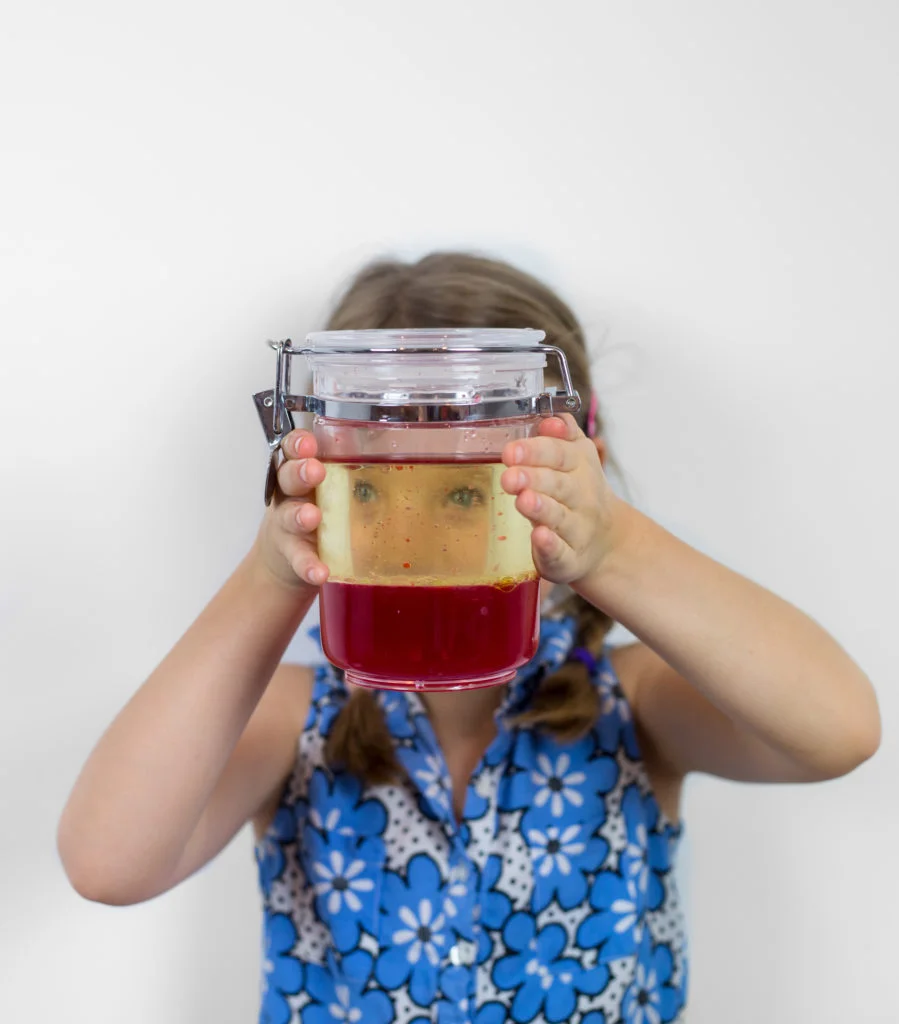
Some liquids, like vegetable oil and water, do not mix. This principle can be demonstrated through a density jar. When oil and water are combined and then allowed to settle, the oil will float and separate from the water. However, introducing an emulsifier allows these liquids to form a stable emulsion. By exploring this further, students can grasp why certain ingredients must be combined in specific recipes or formulations.
Experiment Variation
For further exploration, test different types of dish soap or milk (whole, semi-skimmed, and skimmed) to assess variations in results. This not only keeps the experiment fresh but also introduces critical thinking as children compare outcomes. Don’t forget to check out more exciting chemistry experiments. The quantity and quality of inputs can lead to drastically different results, an important lesson in experimentation where control variables matter.
Links may contain affiliate content. It's a simple mention but worth noting that such links can sometimes lead to necessary funding for the resources used in these educational activities- a small consideration for those who might dismiss it as mere promotion.
The post Magic Milk Science Experiment appeared first on Science Experiments for Kids.
Implications and Future Outlook
The magic milk experiment isn't just a means to occupy children for an afternoon; it serves as a springboard into larger discussions about science fundamentals. In an educational environment that often leans heavily on rote memorization, this tactile approach resonates more. If you're working in this space, you'll quickly realize that hands-on experiments can bridge the gap between theory and practice, making abstract concepts tangible. The fascination with colorful reactions might also inspire children to pursue science as a serious field of study, which is vital for entering future fields like environmental science or biotechnology.
As we look towards a more STEM-focused future in education, simple yet profound experiments like this will likely gain more traction. They can easily integrate into curricula aimed at sparking passion in budding scientists, not just within the classroom but at home as well. The early fostering of curiosity could very well lead to the next generation of innovators. What this means for you is the opportunity to make science approachable and exciting, and isn’t that something worth pursuing?
Discussion
Sign in to join the discussion.