Discover how to make entertaining DIY lava lamps that teach children about science through hands-on experimentation.
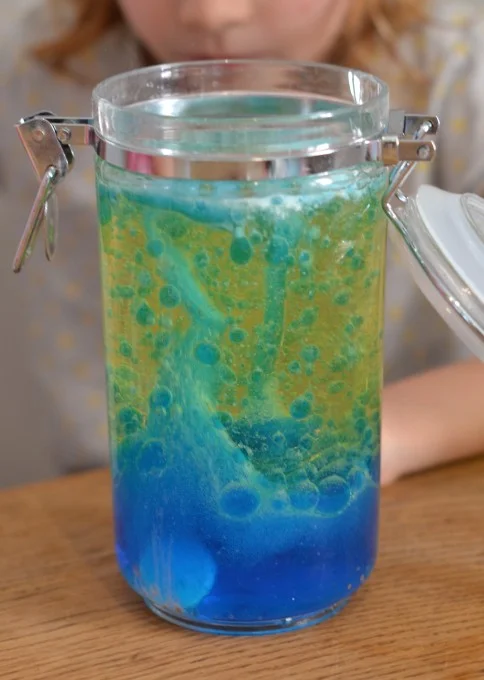
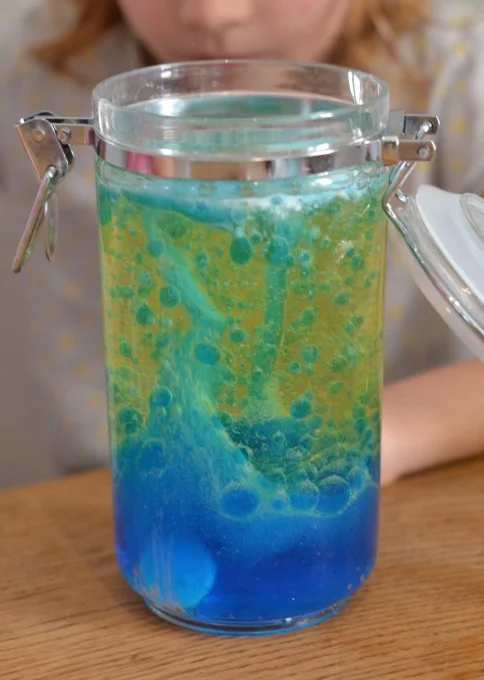
Making your own lava lamp isn’t just a fun science project; it’s also an engaging way for younger generations to learn about fundamental scientific concepts like chemical reactions and density. This hands-on activity can spark curiosity and promote exploration, serving as a bridge to more complex scientific principles. Furthermore, DIY lava lamps are straightforward, endlessly reusable, and provide ample room for creativity, whether through Minion-themed designs or festive holiday lamps!
Instructions for Crafting a DIY Lava Lamp
Necessary Materials
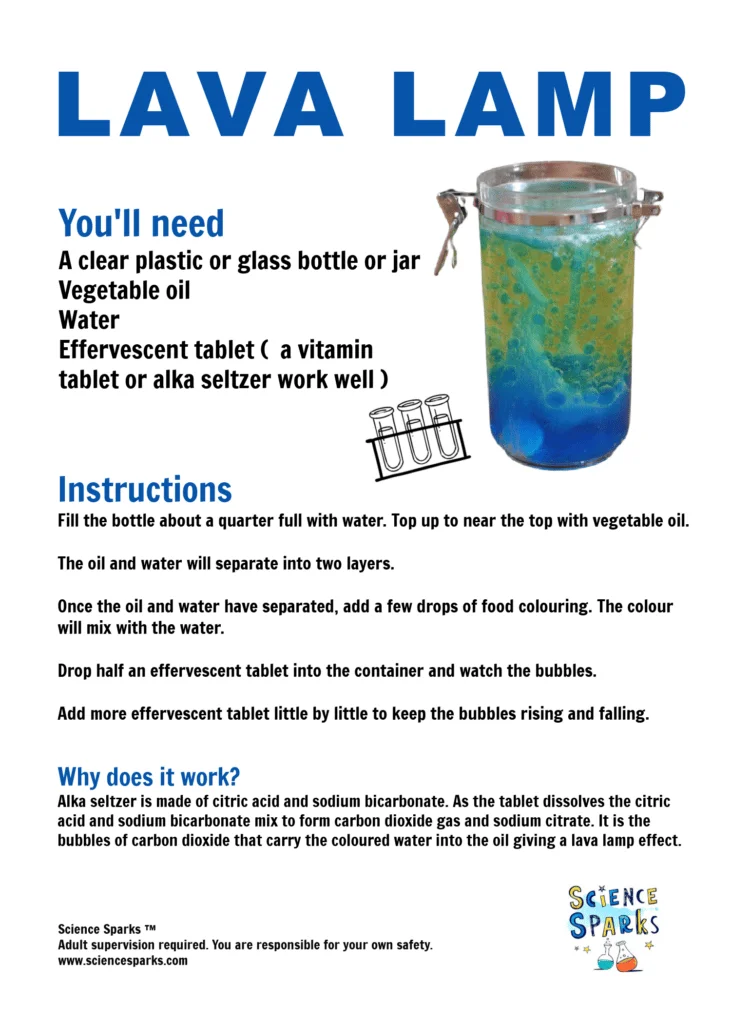
- A clear bottle or jar (plastic or glass)
- Vegetable oil
- Water
- Alka Seltzer tablets
- Bright food coloring
Step-by-Step Guide
Start by filling your bottle about one-quarter full with water. This establishes the base of your lava lamp and initiates the visual contrast that’s so captivating. Next, pour vegetable oil into the bottle, nearly reaching the top. You’ll immediately observe a clear separation: the water sinks to the bottom while the oil floats above it, demonstrating the unique properties of each liquid.
Once the layers are defined, add a few drops of food coloring. The color will mix only with the water, providing a vivid base layer that enhances the visual appeal. This element is not just aesthetic; it teaches about solubility and the behavior of liquids.
Drop in half an Alka Seltzer tablet and enjoy the mesmerizing bubble formation. As the tablet reacts with the water, it produces carbon dioxide gas that will trap some colored water and carry it upward through the oil, mimicking the classic lava lamp's wavy motion. To maintain the bubbly effect, incrementally add more of the tablet. This creates a delightful cycle of ascent and descent that’s hard to resist watching.
Expert Tips for Your DIY Lava Lamp
Consider substituting Alka Seltzer with effervescent vitamin tablets. They’re often cheaper and yield a similar bubbling effect, though they may slightly alter the water's color. This option provides an alternative for those experimenting on a budget or seeking a different visual experience in their lava lamp. Just keep in mind that not all vitamin tablets will produce the same results, so some trial and error may be involved.
Understanding the Lava Lamp Effect
The Alka Seltzer reaction involves citric acid and sodium bicarbonate, which mix with water to form carbon dioxide gas and sodium citrate. As gas bubbles form, they carry the colored water into the oil, simulating the iconic lava lamp motion. This molecular reaction not only captivates the observer but also embodies principles of chemistry that can be discussed during the crafting process.
Be sure to supervise young ones while using Alka Seltzer or any effervescent tablets for this experiment. Safety can sometimes be overlooked in a rush to manage fun, but ensuring children understand the boundaries of safe experimentation is vital.
Why Oil and Water Don't Mix
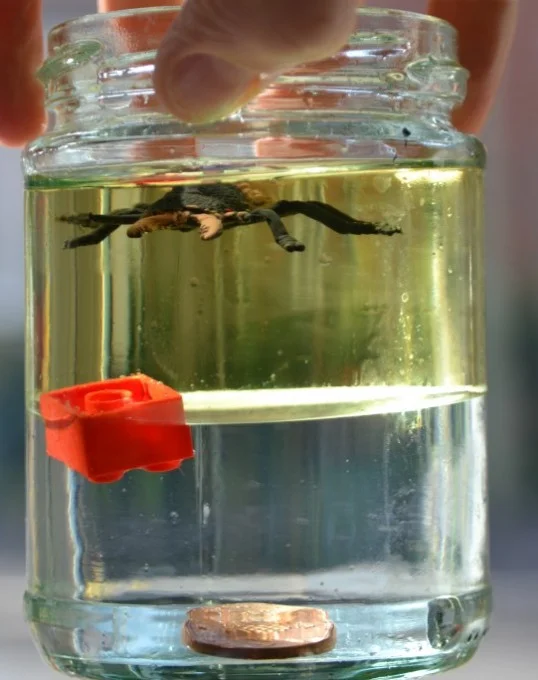
Oil and water are incompatible by nature due to their different molecular structures. Water, being a polar molecule, features distinct positive and negative charges that create bonds with other water molecules. In contrast, oil molecules are non-polar, lacking any significant charge variance, which explains why they float above water, a classic demonstration of density differences. This phenomenon can inspire discussions about various chemical interactions and the fundamental nature of matter.
Creative Variations on the DIY Lava Lamp
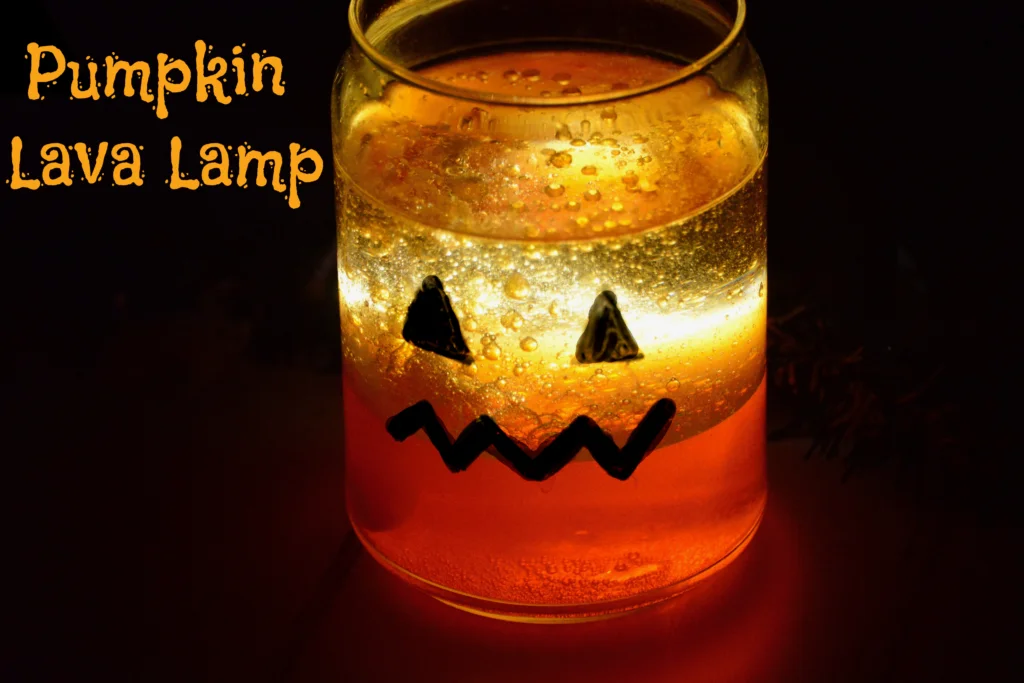
Get festive with a pumpkin-themed lava lamp for Halloween. This project serves as a fantastic alternative to traditional pumpkin carving, allowing for creativity without the mess of cutting and gutting a pumpkin. You still get to engage with seasonal themes while providing a valuable hands-on learning opportunity.
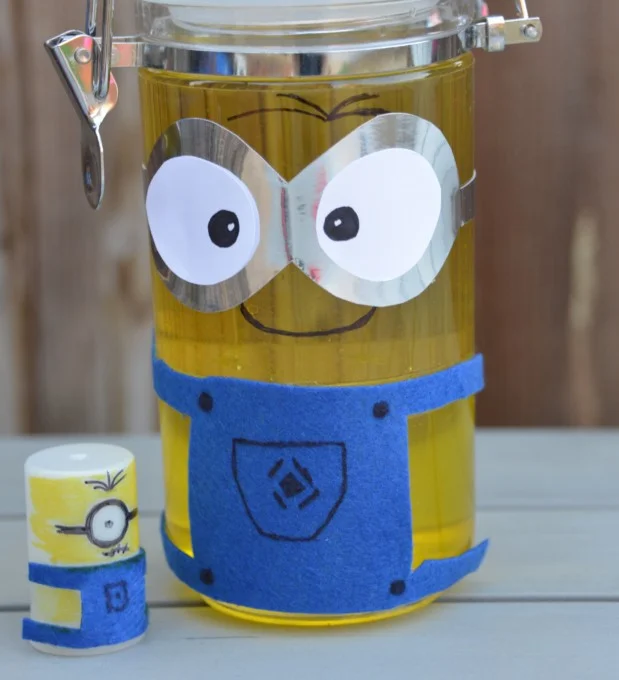
We had a blast crafting our Minion lava lamp. Though, next time, I’d pick a blue base color for better visibility against the yellow oil. It's all about the aesthetics, right? This creative process also presents an opportunity to discuss color theory and design choices.
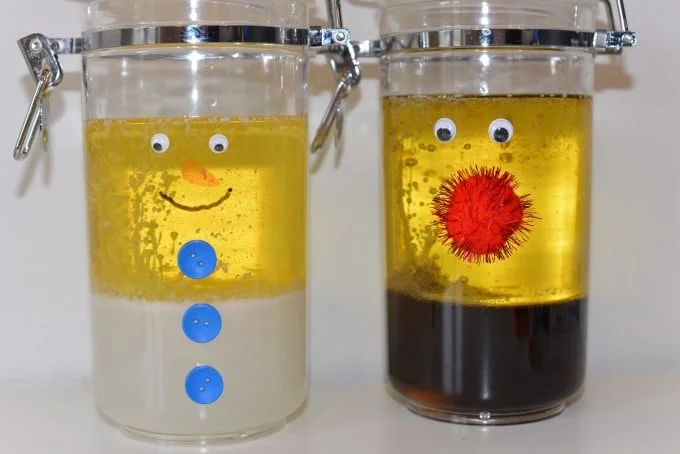
For a festive touch, consider a Christmas lava lamp design with adorable reindeer and snowman motifs. These ideas are always a hit with kids and can double as holiday decor, merging scientific exploration with seasonal spirit. Working on this project can foster a sense of accomplishment and ownership as kids see a synthesis of art and science bloom before their eyes.
If this project resonates with you, explore a wide array of other fun science experiments for children, all aimed at making learning enjoyable. Check out various activities online that span different interests and age groups.
Moreover, the Royal Institution offers fantastic resources with additional lava lamp experiments. They present a wealth of knowledge that can enhance your understanding and spark further curiosity.
Implications of DIY Lava Lamps
Crafting a DIY lava lamp isn't just a fun project; it encourages critical thinking and scientific inquiry. As children engage in such activities, they develop a sound understanding of basic chemistry and physics. This hands-on approach fosters a sense of curiosity about how the world works and can lead to more ambitious projects down the line.
If you're working in this space—educational tools for children—you'll recognize the importance of keeping science fun and interactive. Engaging students through tangible experiments like this one could prove vital for developing their interest in STEM fields.
The beauty lies in the flexibility of this project. Adjusting colors, themes, and even the base liquids offers kids personalized creative expression. And this is the part most people overlook: the connection between scientific principles and art is often undervalued, but it’s a rich vein for imaginative thought.
As educational trends continue to shift towards hands-on learning, projects like these can bridge the gap between rote learning and engaging, experiential activities. They have the potential to create a generation of innovators and critical thinkers who might just change the conversation around science and technology in the years to come.
The original post can be found here on Science Sparks.
Discussion
Sign in to join the discussion.