Learn how to make a red cabbage pH indicator to test acids and alkalis, making science engaging and visual for all ages.
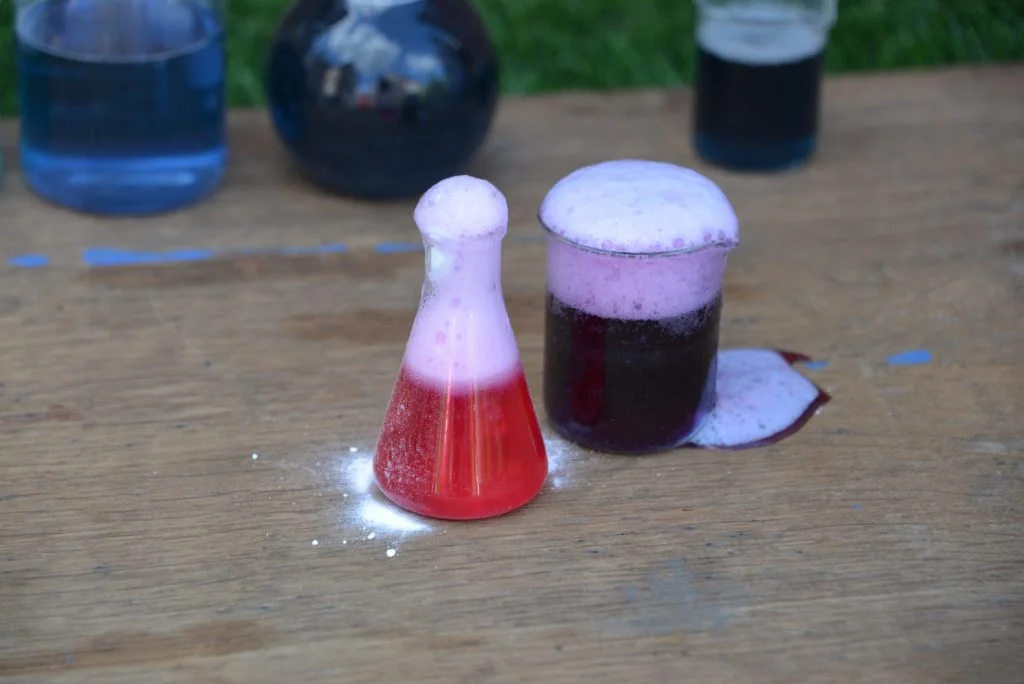
Red cabbage indicator serves as an effective and colorful method to determine whether a solution is acidic or alkaline. This experiment utilizes the natural pigments found in red cabbage and introduces a hands-on approach to learning about pH scales. By engaging with this process, learners—whether students or hobbyists—discover chemistry through observation and experimentation.
Acids, prevalent in many everyday items, can often be found in food, bodily functions, and household products—sometimes posing risks if mishandled, especially in concentrated forms. For instance, common acids include citric acid found in fruits, acetic acid in vinegar, and sulfuric acid in certain household cleaners. Conversely, alkalis, such as soap and bicarbonate of soda, can neutralize acids. Understanding the pH scale is essential for recognizing these chemical properties and for making informed decisions about safety when working with everyday substances. Overall, this understanding extends beyond lab settings and into real life, influencing how we interact with various products.
How to Create a Red Cabbage pH Indicator
Understanding pH Indicators
A pH indicator is a substance that changes color based on the acidity or alkalinity of a solution, spanning from a pH of 0 (strong acid) to 14 (strong alkali), with 7 indicating neutrality. Using red cabbage as a natural indicator provides a vivid visual representation of these chemical properties. This process illustrates how different chemical environments interact with the same compound, which can greatly aid theoretical discussions about pH levels in educational contexts. You'll see students connect the dots between chemical reactions and their real-world implications.
Materials Required
- Chopped red cabbage
- Water
- A saucepan
- A sieve
- Cups or small containers
- Test substances, such as baking soda, vinegar, lemon juice, and lime juice
Step-by-Step Instructions
Begin by placing the chopped cabbage into a saucepan and adding enough water to cover it. Allow it to simmer for about 10 minutes. This initial step extracts the anthocyanin pigments from the cabbage, which are vital for the color changes you will observe. The longer the cabbage simmers, the more concentrated the pigment solution becomes, leading to more dramatic results.
Strain the mixture through a sieve, collecting the vibrant purple liquid in a jug. After allowing this liquid to cool (roughly 30 minutes), prepare your testing area with clean, clear containers to avoid any contamination of results.
Fill separate cups or containers with small, equal amounts of each substance to be tested. Utilize a pipette to dispense about 20ml of the cabbage liquid into each container, observing and recording the resulting color changes. This documentation is key; it not only reinforces the learning experience but also fosters analytical thinking as students compare and contrast their findings across different acids and bases.
Safety Precautions
Wear safety goggles while handling strong acids or bases. It’s advisable for an adult to assist with both chopping and heating the cabbage. Such precautions aren't merely formalities; they reflect a responsible approach to experimenting with chemical reactions.
Observing the Color Changes
As the red cabbage indicator reacts, expect it to transition from purple to red in acidic solutions and purple to green in alkaline environments. Should the mixture remain unchanged, the substance is neutral. The shift in color intensity will indicate the strength of the acid or alkali, allowing you to gauge not just presence but potency. Color changes aren’t merely aesthetic; they inform users about the solution's potential hazards or usefulness.
Mechanics of the pH Indicator
Acids and bases exhibit opposing characteristics; acids possess lower pH values, while bases feature higher ones. Red cabbage contains a pigment called anthocyanin, responsible for these dramatic color changes based on the pH level. This pigment's adaptability underlies much of the red cabbage's scientific interest, as it cultivates a deeper understanding of acid-base chemistry.
Additional Experiments
You can expand your experimentation by creating color-changing fizzy potions using the same indicator. That’s a fun way to introduce kids to reaction concepts while keeping them engaged.
Furthermore, soak filter paper in red cabbage liquid, allow it to dry, and use it as a DIY pH test strips for various household items. This not only democratizes chemistry—making it accessible—but also fosters creativity in application. Consider substituting red cabbage with beetroot juice as well, exploring efficiency and color differences. Blowing into the indicator can also yield fascinating results; carbon dioxide modifies the pH, prompting potential color shifts.
Exploring a pH indicator can also involve crafting one from red poinsettia leaves! Such alternatives diversify the learning experience and encourage experimentation.
What Happens When You Blow into the Red Cabbage Indicator?
By exhaling into the indicator, the carbon dioxide interacts with the water, forming carbonic acid and causing the indicator to shift to red. This straightforward interaction unveils an unexpected layer of complexity about gas exchange and its consequences for pH levels.
Engage in this vibrant pH experiment, enriching your understanding of acids and bases through direct observation and interaction.
Implications and Future Outlook
The use of red cabbage as a pH indicator reinforces practical chemistry education, bridging theoretical knowledge with tangible, visual experiences. Given that many students struggle with abstract concepts in chemistry, hands-on experimentation can facilitate comprehension and retention. If you're working in this space, consider the broader applications of such natural indicators in educational curricula.
There's a growing trend toward sustainable and eco-friendly educational materials, and red cabbage fits that mold perfectly—cheap, accessible, and safe. As more educators embrace these methods, there could be a noticeable shift in how chemistry is taught, emphasizing environmental consciousness while enhancing student engagement. This approach not only simplifies learning but encourages curiosity about the natural world, ultimately nurturing a new generation of environmentally aware scientists.
Discussion
Sign in to join the discussion.