Discover engaging science experiments using red cabbage, perfect for learning about pH and chemistry with kids.
Exploring the Potential of Red Cabbage
When you think of red cabbage, culinary uses like coleslaw or simmering it in stews might come to mind. However, this vegetable offers an array of scientific opportunities that are often overlooked. While it’s a nutritious addition to your diet, its vibrant color comes from anthocyanins, which can change hues depending on pH levels. This characteristic opens the door for various educational experiments centered around chemistry, allowing both kids and adults to engage with the fundamental concepts of acids and bases.
Creating a Red Cabbage Indicator
One of the most fascinating projects is crafting a red cabbage indicator. The process is simple and educational. Chop a small piece of red cabbage and boil it for about five minutes, which extracts the natural pigments and infuses the water with a striking purple color. After cooling and straining, what you’re left with is a liquid that can serve as a pH indicator. This DIY method not only brightens up any science lesson but also provides instant feedback in the form of color changes when introduced to different substances, demonstrating chemistry in action.
Colour Changing Potions
Engaging in the creation of colour changing potions offers a captivating glimpse into chemical properties and reactions. By mixing the red cabbage indicator with various household liquids—like vinegar or baking soda—you can witness a transformation unfold. The liquid shifts in color from purple to vibrant pink or even green, depending on the acidity or alkalinity of the substance. It’s not just visually stimulating but serves as an engaging way to instill a love for science in young learners, making the experience unforgettable.
Making pH Indicator Test Strips
For those looking to extend their experimentation, turning your red cabbage indicator into pH indicator test strips is a straightforward and effective project. This involves soaking filter paper in the prepared indicator and allowing it to dry. Once dry, these strips can be dipped into various substances to check their pH levels, echoing real-world laboratory practices. This replicates skills often introduced in chemistry classes, giving kids practical experience in a fun and accessible way.
Frozen Red Cabbage Experiments
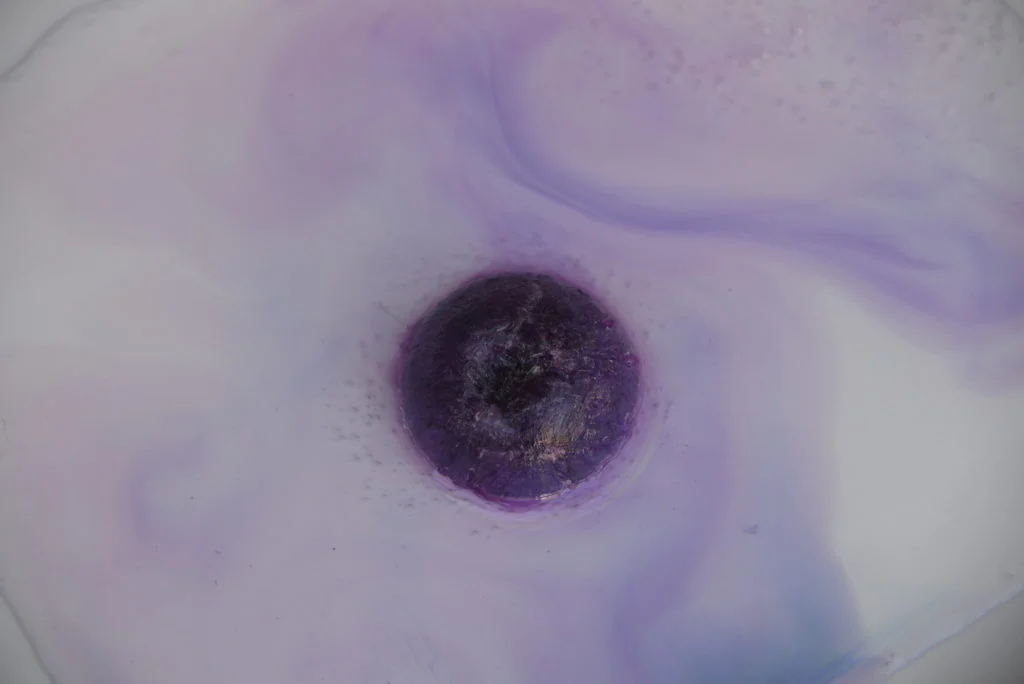
If you’ve got leftover red cabbage indicator, consider conducting a fascinating experiment by freezing it. Once frozen, place it on a plate with a mild acid, such as lemon juice, or introduce it to a base, like baking soda dissolved in water. The results can be surprisingly dramatic as the color shifts occur when the frozen indicator interacts with the substances. This ice-breaking exploration (and this is the part most people overlook) demonstrates principles of temperature effects on reaction rates, further cementing understanding of chemical interactions.
Red Cabbage Breath pH Test
If you're curious about your own body's pH levels, you can conduct a breath test using the red cabbage indicator. Simply exhale onto a piece of filter paper soaked in the indicator. The color change that results will give you insight into the acidity levels of your breath. This self-directed experiment encourages more personal interest in science while introducing concepts of human biology and health. It’s a reminder of how scientific inquiry can intersect with daily life.
More Chemistry Experiments for Kids
For anyone seeking further engaging science activities, you can check out my collection of the best chemistry experiments for kids. From experimenting with density to creating fun reactions, there's no shortage of activities. For instance, consider crafting a density jar, which visually represents density differences. Or try Babble Dabble Do's elephant toothpaste activity. These activities are designed to keep kids fascinated while learning crucial scientific principles.
This selection of fun kitchen science experiments will surely keep kids entertained and educationally engaged for quite some time! The integration of science into hands-on activities shows that learning doesn’t have to be boring; it can indeed be colorful and dynamic.
The original post appeared on Science Experiments for Kids.
Implications and Future Outlook
The significance of exploring a common vegetable like red cabbage stretches beyond simple kitchen science. It highlights an essential truth: science can be integrated into everyday life, making education both practical and enjoyable. Such experiments inspire creativity while demystifying chemistry for children, often leading to a deep-seated love of learning. If you're working in this space, the challenge will be ensuring these experiments remain engaging and relevant, especially as educational methods evolve.
The trend toward experiential learning shows no signs of slowing down. Innovative teaching methods that incorporate fun experiments could change how kids interact with science. When students make these connections, they’re more likely to pursue science-based careers. The hands-on approach employed with red cabbage exemplifies how simple items can serve as powerful learning tools—something educators and parents alike should consider as they nurture the next generation of thinkers.
Discussion
Sign in to join the discussion.