The Skittles experiment captivates with vivid colors and simple science, making it an engaging STEM activity for all ages.
The Skittles Experiment: More Than Just a Treat
The Skittles experiment offers a vibrant entry point for budding scientists eager to learn about color dispersion and diffusion. Beyond its candy-coated surface, this experiment provides a hands-on experience that combines fun and education. It requires little investment and can be tailored using various liquids, like cold water, vinegar, or carbonated drinks, to compare how each affects the dye release from the candies, dramatically enhancing the learning aspect.
What makes this experiment particularly interesting is how it serves as both an engaging icebreaker and a straightforward STEM challenge for kids of all ages. Young learners can grasp basic scientific principles while having fun. This multifaceted approach to education emphasizes experiential learning, which is often regarded as more effective than passive, traditional methods. With the right setup, this can transform into a lively family activity or a classroom centerpiece.
Conducting the Skittles Experiment
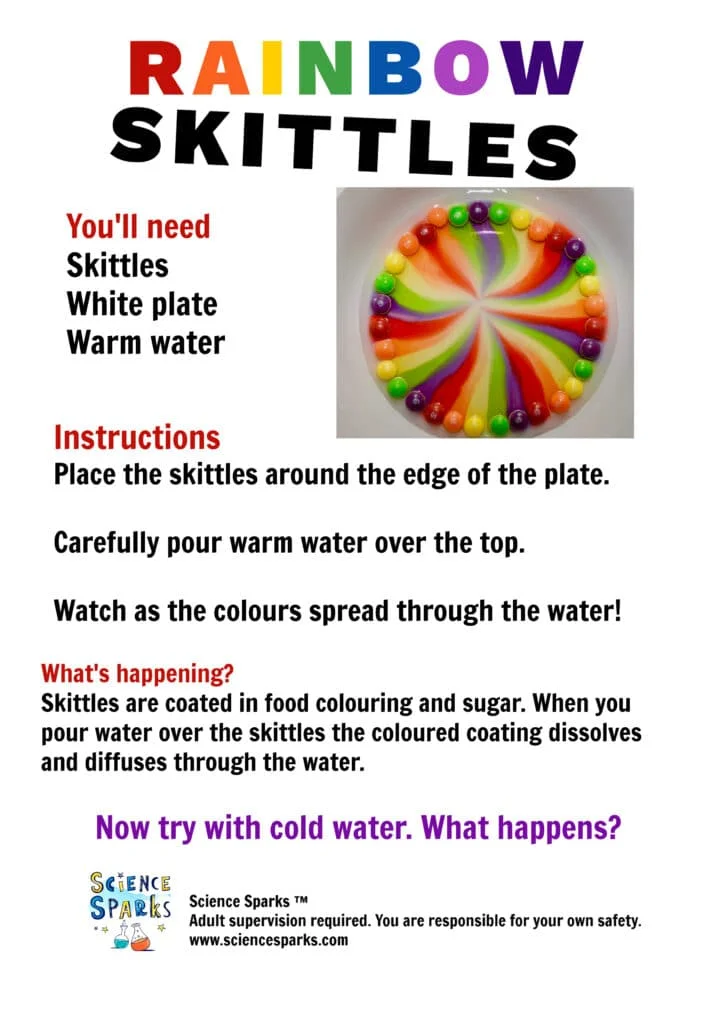
Required Materials:
- A white plate or container
- Skittles or other coated candies
- Warm and cold water
Step-by-Step Instructions:
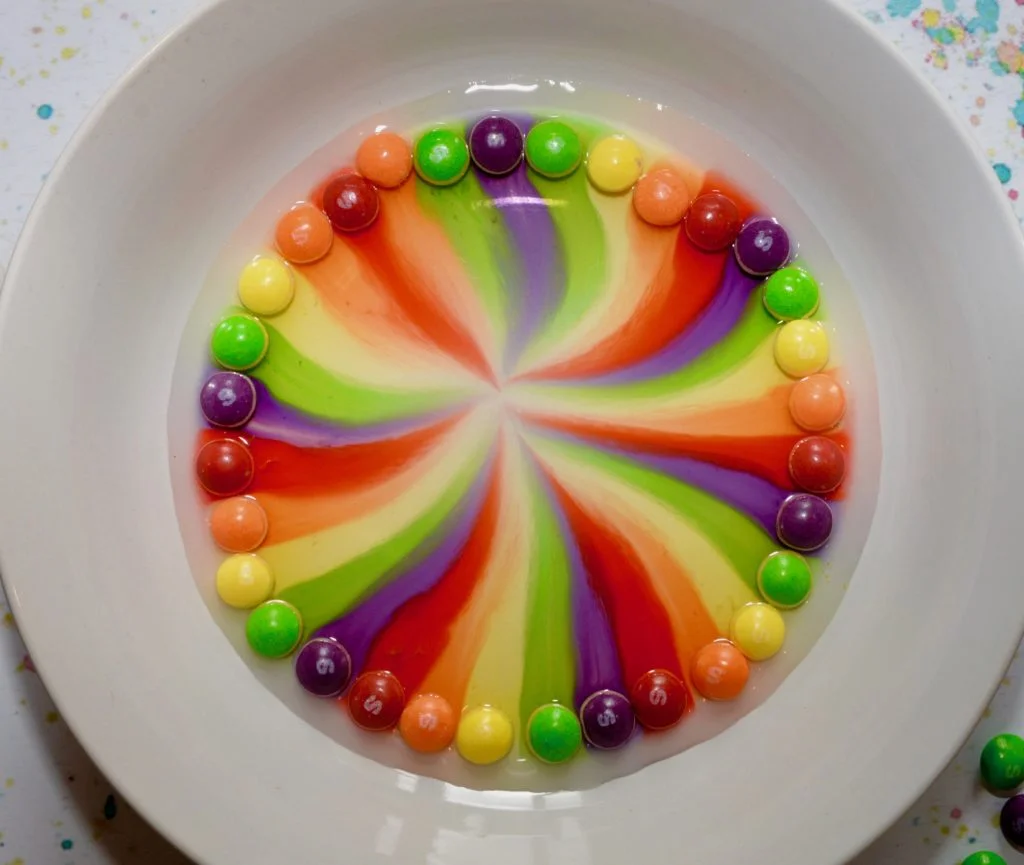
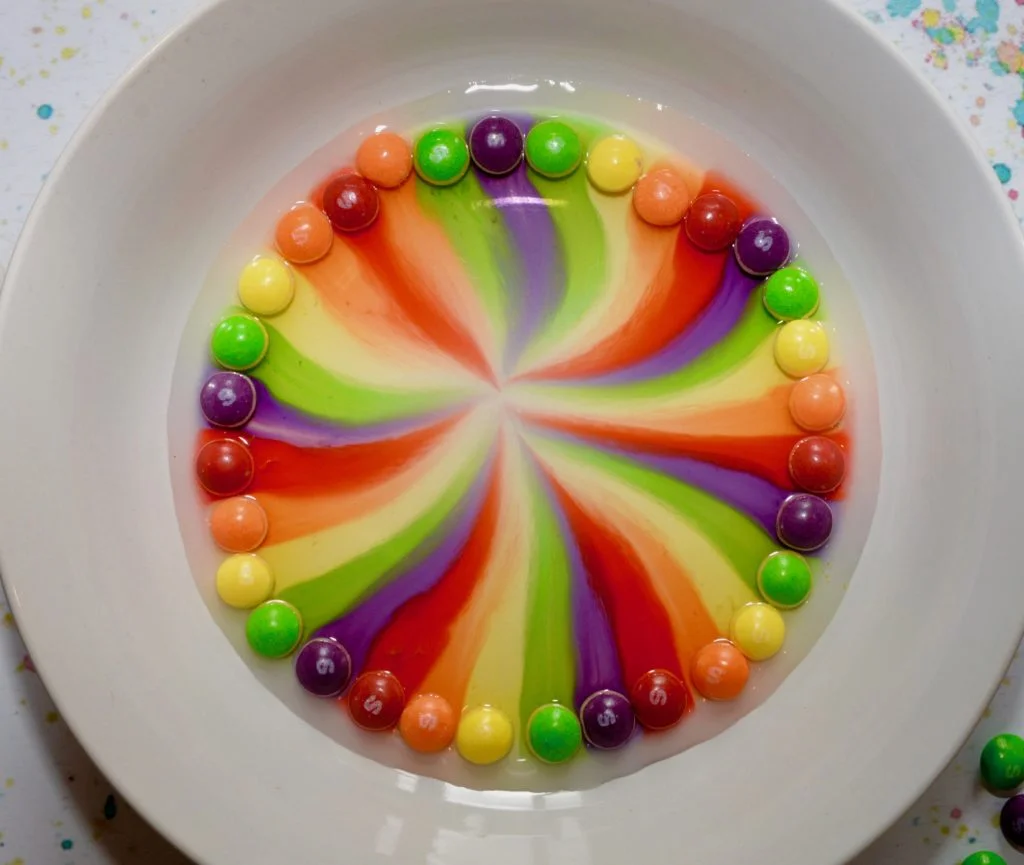
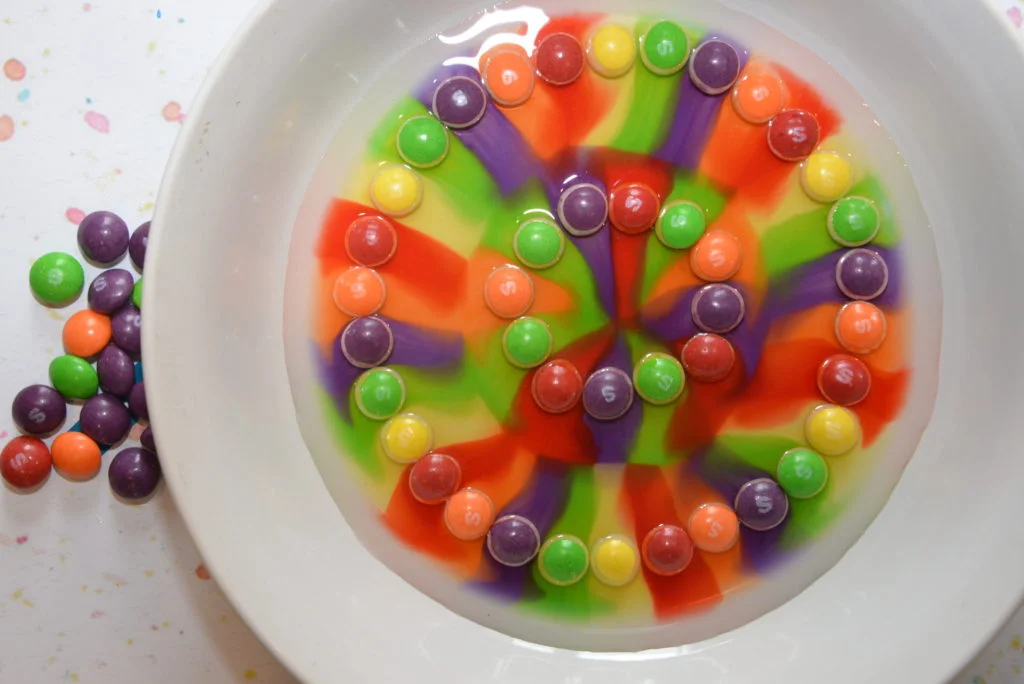
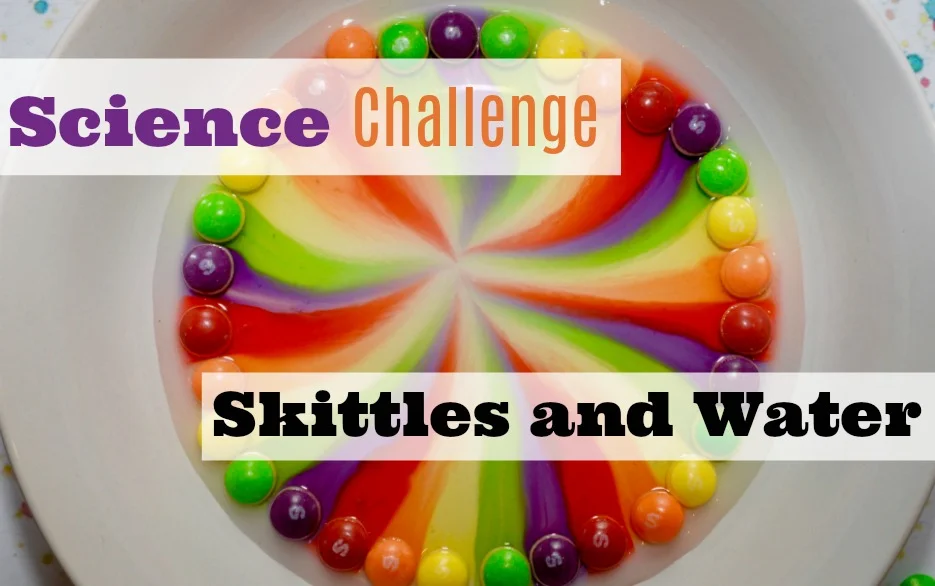
Start by arranging the Skittles in a circular pattern on your chosen white container. Carefully pour water over the candies without disturbing their nicely organized position. At this point, you’ll begin to see the colors reacting—each candy releases its dye into the water, generating a spectacular display. The visual impact alone can captivate audiences, demonstrating the principle of diffusion in a very palpable way.
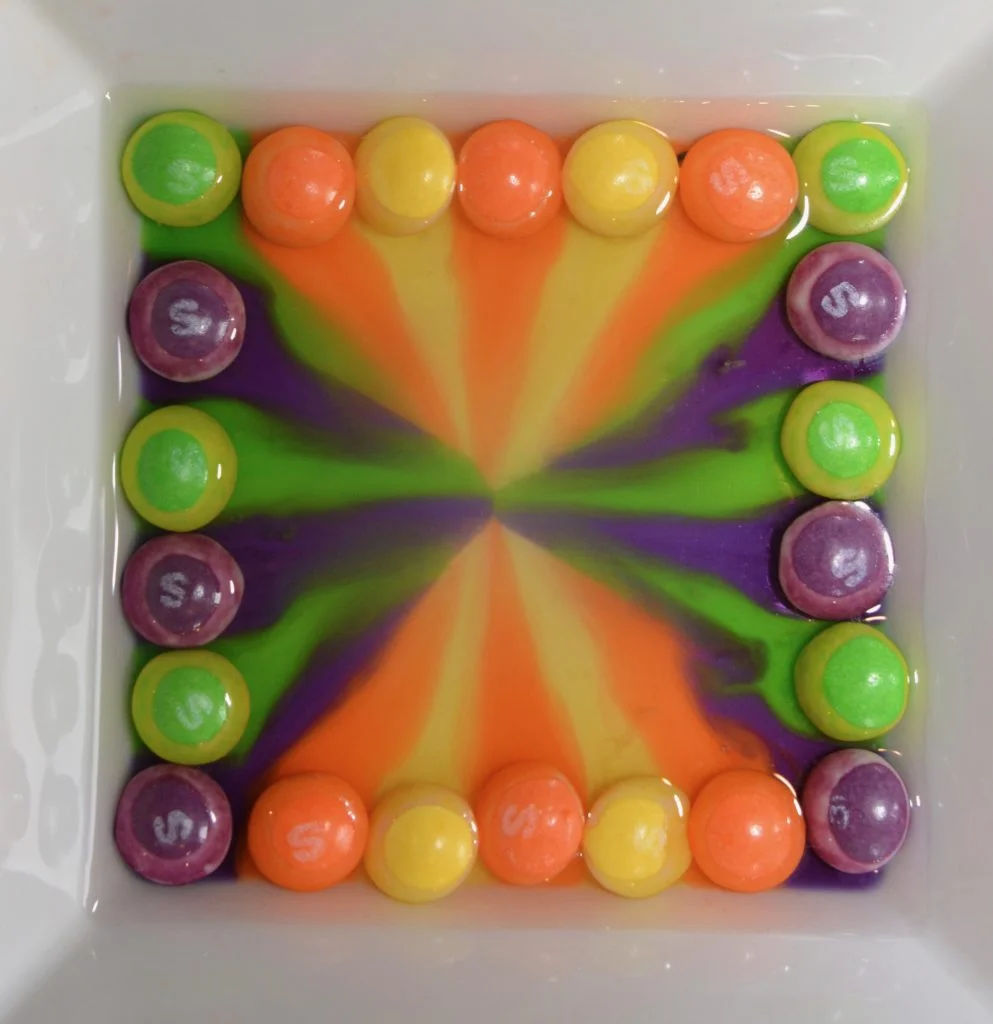
Exploration doesn't have to end here. Feel free to experiment with various arrangements of Skittles, as slight changes can lead to different outcomes. That aspect alone adds a layer of creativity and discussion.
Understanding Color Dispersion:
The magic happens as you introduce water. Each Skittle's candy coating consists of sugar and artificial food dye, which dissolves upon contact with the water. The colors spread out, creating a beautiful and vibrant mixture. This phenomenon illustrates fundamental concepts in chemistry and physics, presenting an ideal teaching moment regarding solubility and density.
The sugar and color particles dissolve and disperse throughout the water, vividly showcasing how diffusion operates in liquids. This isn’t just a science experiment—it's a visual representation of how certain substances interact in our environment.
Possible Extensions:
Take the experiment to another level by measuring how long it takes for the colors to travel from the Skittles to the center of the plate, comparing results between cold and warm water. This leads to discussions about temperature's effect on solubility. You might also want to try different liquids such as lemonade or vinegar, to see how they alter the reaction.
Experimenting with alternate candies can provide further insights into which ingredients enhance color release and diffusion. (And this is the part most people overlook, but different brands have unique formulations that can alter result outcomes.)
Provocative Questions:
Encourage deeper thinking by posing questions such as: Why don’t the colors mix completely? What happens to the ‘S’ letters printed on the Skittles during this process? Could there be methods to speed up the reaction, or do you think the colors will eventually blend together?
Explore More Candy Science:
Should you have extra Skittles on hand, consider trying candy chromatography—an engaging scientific method that highlights how colors can separate and emerge from each candy. This only adds another layer to your experimentation and reinforces the educational aspects.
If this experiment piqued your interest, there are many other candy science experiments worth exploring, including creating potions inspired by Roald Dahl's whimsical tales or making chocolate play dough. Such activities can enrich children's understanding while keeping learning fun.
Playdough to Plato also has a delightful gummy bear growing activity that can complement your candy science exploration.
Implications and Future Outlook
The Skittles experiment embodies a diverse learning approach that emphasizes engagement over rote memorization. If you're working in this space—be it education, parenting, or even science advocacy—you'll recognize that such experiments can nurture a passion for discovery in children.
With simple materials and clear visual results, similar experiments could become vital tools in promoting STEM education. They represent a practical illustration of how scientific principles manifest in everyday life. This approach can also lead to lasting interest in scientific exploration, encouraging students to ask questions and seek answers. It’s a significant reminder that science can be not only rigorous but also enjoyable.
The post Skittles Experiment appeared first on Science Experiments for Kids.
Discussion
Sign in to join the discussion.