Engage kids with the Egg Zip Wire Challenge, an exciting STEM activity that explores physics concepts through creativity and experimentation.
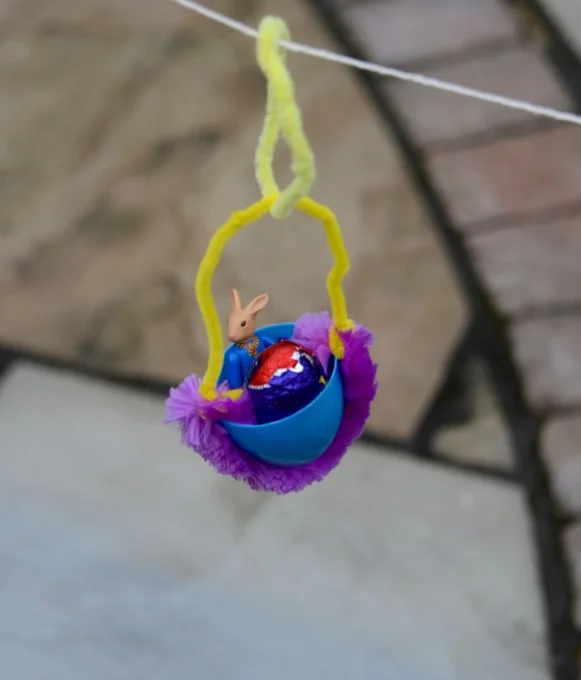
Looking for an engaging STEM challenge this Easter? Try constructing a harness to transport a small egg down a zip wire! Not only is this a fun project involving a chocolate egg, but it also serves as a great introduction to key scientific concepts like gravity, friction, and basic physics. Once you’ve perfected your design with a chocolate egg, you might even want to test your harness with a real egg—boiled, of course! This hands-on activity encourages critical thinking and problem-solving skills, making it ideal for children of various ages.
Don’t stop there; explore a range of other Easter STEM Challenges available, featuring activities such as building toothpick towers and creating magnet-powered cars. These exercises are specifically designed to spark curiosity and learning in kids, proving that education can be both enlightening and entertaining.
Gathering Your Materials
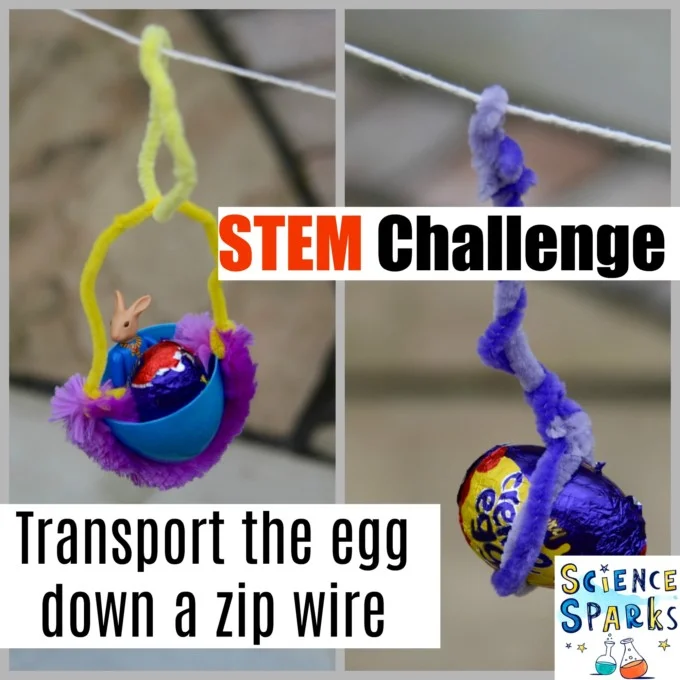
To set up your egg zip wire experiment, you’ll need a few basic items. A simple list ensures you won't spend half the day hunting for materials:
- String, wire, or wool
- Pipe cleaners and straws
- Plastic eggs or chocolate eggs
- A timer
This mixture of everyday items helps demonstrate that scientific experiments don’t require lab-grade equipment. The accessibility of these materials also opens the door for innovation. Kids can get creative with what they have, maybe substituting household items for something unexpected, and in doing so, discover more about engineering and design principles.
Executing the Egg Zip Wire Method
This activity not only entertains but also teaches kids how to conduct a fair test. Keeping the following variables in mind will help instill a disciplined approach to experimentation:
- Type of zip wire
- The incline of the zip wire
- Weight of the egg
- Type of harness used
For valid results, you need to isolate the variable you're testing. For example, if you want to explore how the weight of the egg influences travel time, ensure that other factors like incline, wire type, and harness remain unchanged. As simple as it seems, this aspect of experimental design is often overlooked. Typically, repeating tests three times and averaging the results yields the most reliable data. This reiteration emphasizes the importance of consistency in experimental methods, a critical lesson for budding scientists.
Considerations for Testing
One significant factor is friction. You may find that a rough string results in longer transit times compared to smoother wire due to increased friction between the harness and wire. Understanding and measuring these variables undeniably enhances the learning experience. But here's the thing: the lessons extend beyond just physics. Kids are also learning patience and resilience, values that are essential in any field.
Explore More STEM Challenges
Why not try a harness made from a segment of straw? Its smooth interior minimizes friction and could yield interesting results. For additional learning, consider activities focused on friction, air resistance, and gravity. These concepts create a springboard for deeper understanding, maybe even encouraging kids to ask “why” and “how” — something you want to cultivate. If you're working in this space, remember to provide an environment that fosters inquiry and imagination.
Download Activity Instructions
Make your challenge even more enjoyable with a FREE egg zip line instruction sheet. This easy guide will keep things organized, offering clear steps that make it easy to execute the experiment effectively.
Get your kids involved in a creative and educational experience this Easter with the Egg Zip Wire Challenge, merging fun and fundamental principles of physics. As you navigate through this activity, you may find that the questions raised lead to even more experiments, fueling a passion for discovery that can last well beyond the holiday season.
Implications and Future Outlook
The implications of engaging kids in such hands-on STEM challenges are significant. While the immediate benefit is learning fundamental physics concepts, the long-term impact involves developing critical thinking skills. In an age where technology is constantly advancing, equipping the next generation with strong analytical skills can’t be overlooked. These types of interactive challenges not only teach scientific principles but also instill a mindset of inquiry that’s applicable across various disciplines. If you adopt this approach now, you might just contribute to nurturing the scientists, engineers, and thinkers of tomorrow.
Discussion
Sign in to join the discussion.