Explore the fascinating reasons toast often falls butter side down and try experiments to understand this kitchen phenomenon.
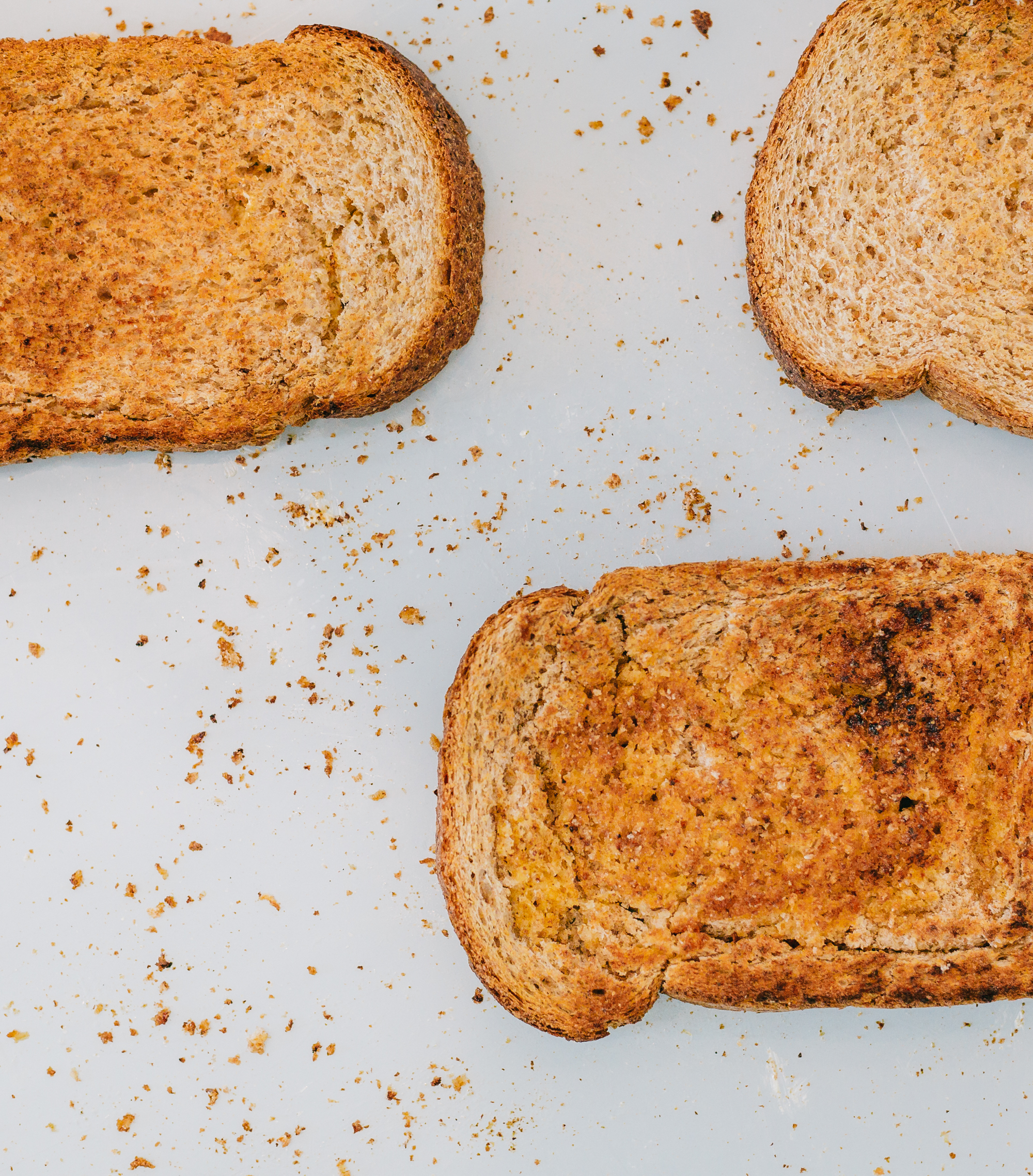
How often have you dropped toast only to see it land butter side down, leaving a mess on your floor? This common occurrence raises the question of whether it's merely luck or if there's a scientific reason behind it. It might seem trivial at first glance, but this phenomenon encapsulates some fundamental principles of physics that can lead to broader discussions about gravity, rotation, and everyday experiences. So, let's take a closer look at why this happens.
Understanding the Physics
One prevalent theory suggests that when toast drops, it does so at an angle from either a countertop or your hands. This dynamic isn't just random chance; it reflects how objects behave when falling. Theoretically, toast has time to make only a half rotation before it hits the ground, which would explain why it often lands with the buttered side facing down. The angle of release and the height from which it falls play significant roles in determining its orientation during the fall.
Here's the thing: when toast drops, it can rotate due to gravitational pull and air resistance, which affects its spin. If it starts at a particular angle—say, tilted slightly forward—it has a greater chance of flipping over to land butter-side down. If you're a fan of physics, you might find it amusing how such a minor detail reveals the underlying mechanics of motion.
Testing the Theory
If you're curious to confirm this theory, consider conducting a simple experiment. Drop three slices of bread from a height onto a clean mat to avoid waste. This isn't just a fun kitchen activity; it's also a practical demonstration of principles of rotation and impact. Monitor their landing positions; increasing the drop height may yield different results, giving the toast more time to rotate and potentially altering the outcome. The simple act of dropping bread could turn into an afternoon of discovery.
Vary the types and thicknesses of bread to see if they affect the outcome. For instance, thicker slices or crusty bread might behave differently than soft, thin bread due to their weight and density, which can impact how easily they rotate during a fall. This experimentation not only provides insights into how bread behaves during such drops but also encourages critical thinking about physical properties and materials in everyday life.
Further Kitchen Experiments
Why stop at toast? There are plenty of engaging kitchen science experiments to try—check out how to make meringue from egg whites or bake ice cream without it melting. These simple experiments can open doors to concepts of physics, chemistry, and culinary techniques all at once. Discover how to make an egg float and explore buoyancy in a fun and applicable way. Each of these experiments aids in understanding complex scientific principles while still having a great time in the kitchen.
The inquiry into why toast lands butter side down isn’t just a matter of bad luck; it's an intriguing investigation into everyday physics. This connection to science can inspire curiosity, critical thinking, and even creative problem-solving through hands-on learning experiences.
Implications and Significance
So, what does this all mean for you? Beyond the immediate amusement derived from the trials of toast, these principles highlight the importance of observation and experimentation in both educational and everyday settings. Through seemingly trivial occurrences, we can engage with larger scientific questions and methods. If you're working in this space, whether education or applied science, recognizing these moments can help frame discussions in a relatable way, making science feel more accessible.
This investigation could also speak to broader themes in our understanding of physics—how principles apply not only to bread but various objects and scenarios in our daily lives. The random occurrences we often dismiss, like the fate of a piece of buttered toast, can provide a gateway into meaningful discussions about cause and effect.
And yet, don't overlook the social aspects—think about the conversations and connections these experiments can spark around kitchen tables or in classrooms. We often dismiss scientific exploration as too complicated for casual settings, but the reality is that everybody can engage with science through their experiences. Science isn’t just confined to the laboratory; it’s happening all around us, even with something as simple as a slice of toast.
Discussion
Sign in to join the discussion.