Discover how to make an egg float using saltwater and understand the science of density in this engaging kitchen experiment for kids.
The Science Behind Egg Buoyancy
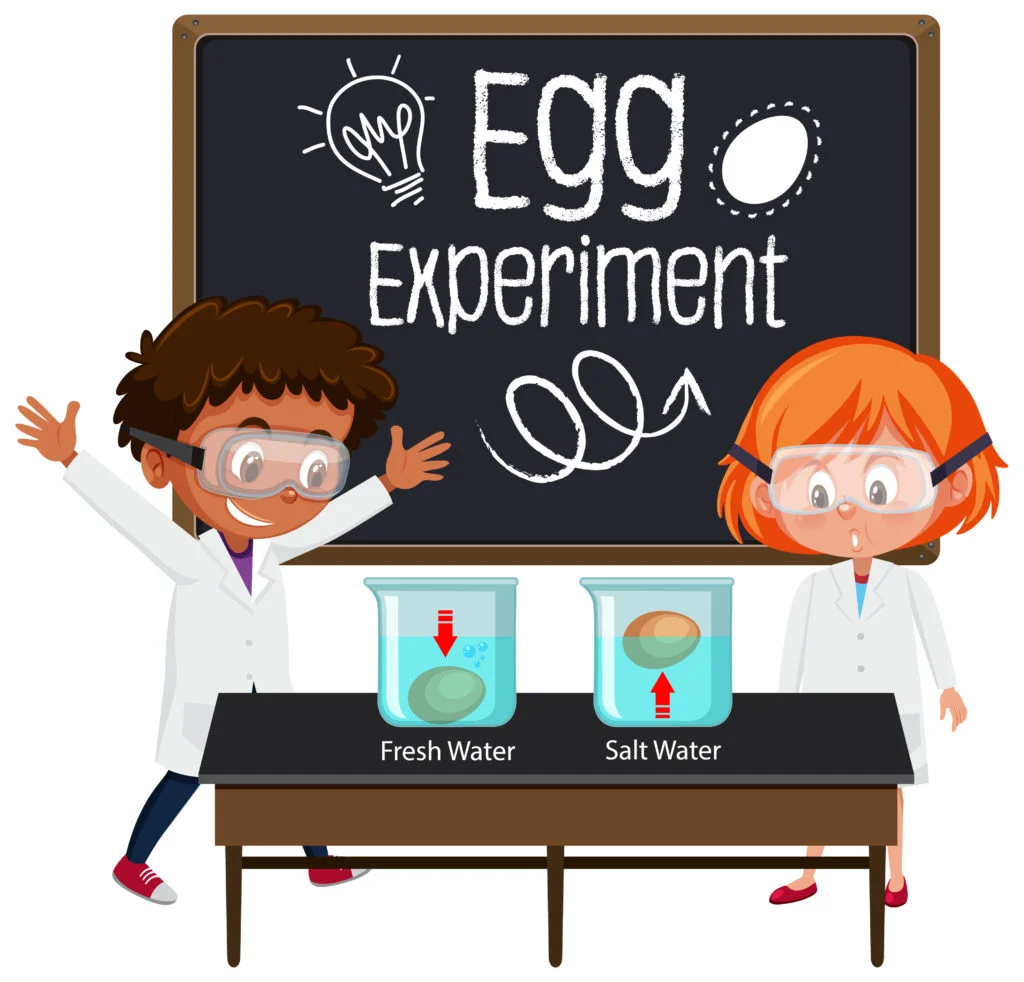
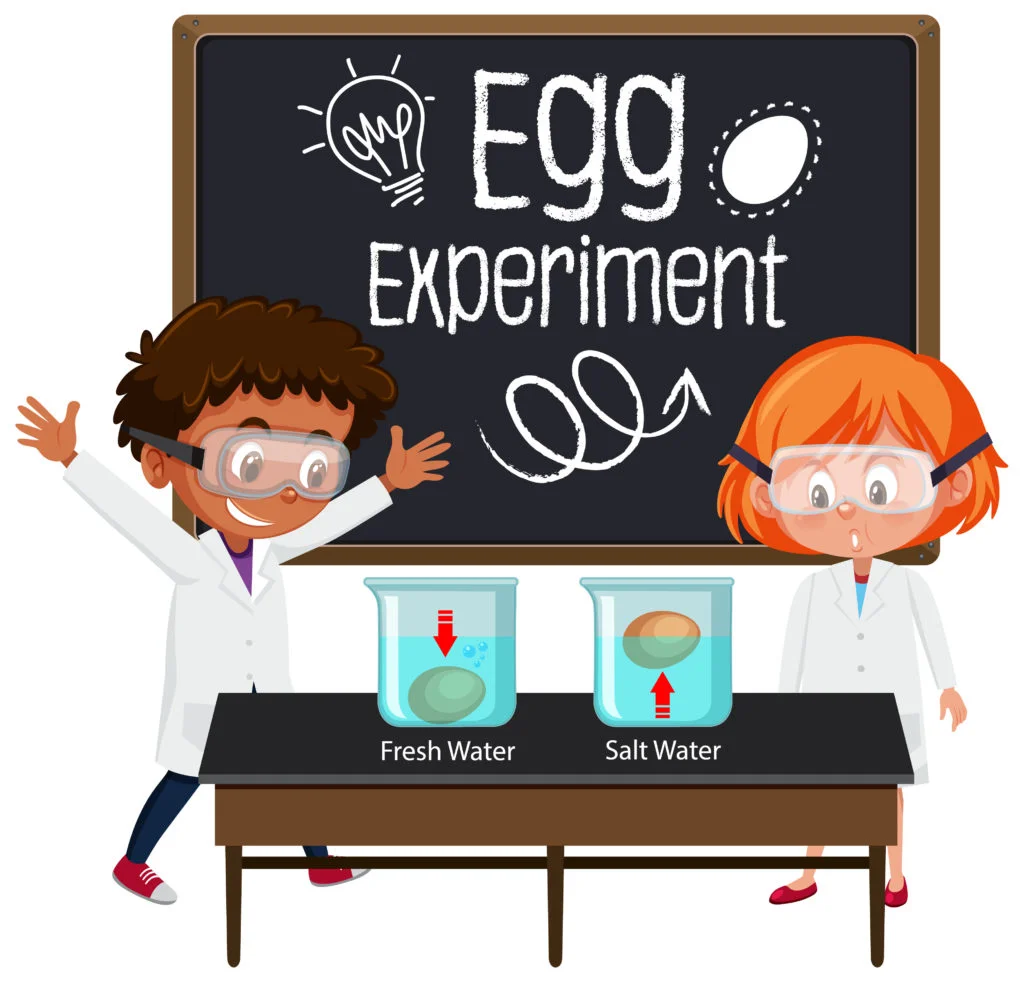
Eggs typically sink in water, but if they float, it suggests they've aged because the air cell inside grows larger over time. This air pocket increases the egg's buoyancy, making it less dense than water, which allows it to float. The phenomenon can resonate with many curious minds, especially young learners who are keen on understanding basic scientific principles.
The ability of the egg to float or sink is a tangible representation of density in liquids. Density, a concept that can sometimes be convoluted, becomes clearer through this practical experiment. Here’s the thing: when adults use eggs to illustrate scientific principles, they can often inspire a lifelong interest in science in children. Rather than just facts and figures, it’s explaining why those facts matter.
How to Make an Egg Float
This straightforward experiment can easily be done at home with just a few simple ingredients—salt, water, and a container. While many home experiments require elaborate setups, this one thrives on simplicity. In an age where educational materials are often costly, this kitchen science project makes learning accessible and fun.
You'll Need
- A bowl or large glass
- Tap water
- Table salt
- A fresh egg
Instructions
- Fill the container around two-thirds full with tap water.
- Gently drop the egg into the water and observe it sinking to the bottom.
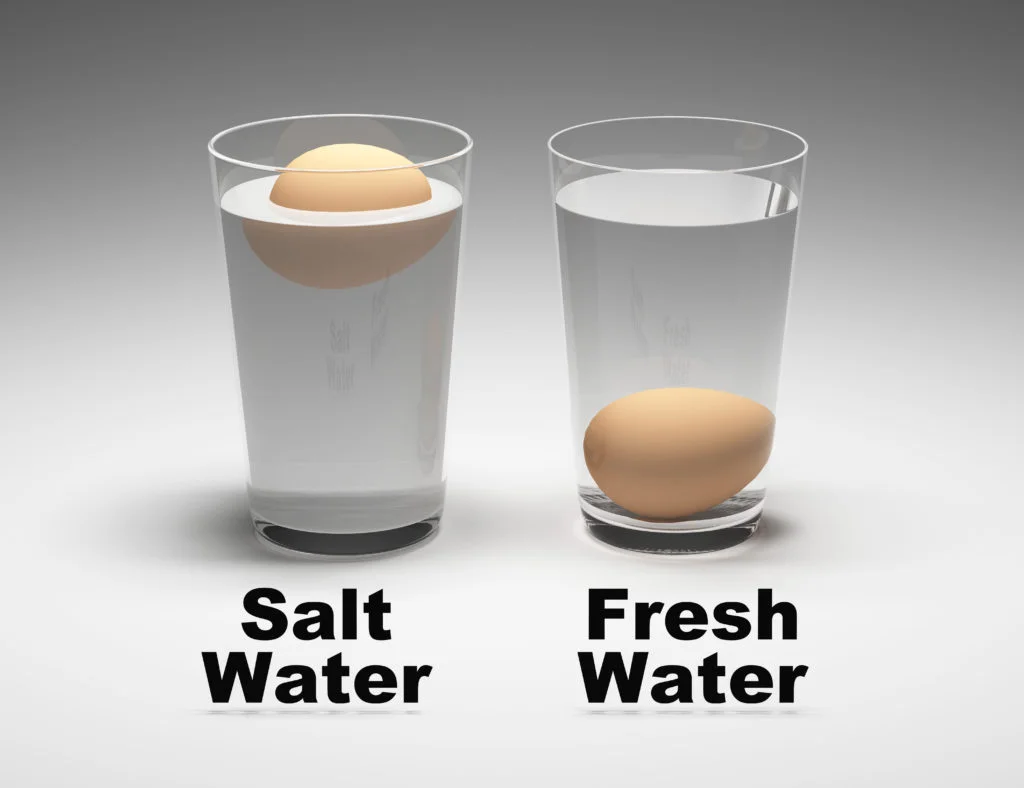
- Take the egg out, then stir salt into the water until the egg starts to float.
Why Can an Egg Float in Saltwater?
The principle at work here revolves around density. An object sinks in water if it's denser than the liquid, while it floats if it's less dense. This basic law of physics allows us to better understand the properties of different substances. Children participating in this experiment can not only glean practical knowledge but also engage with abstract concepts through observable outcomes.
Dissolving salt in water increases its density. When the saltwater becomes denser than the egg, floating occurs. This interaction highlights an essential relationship between concentration and buoyancy that can be applied in various scientific contexts.
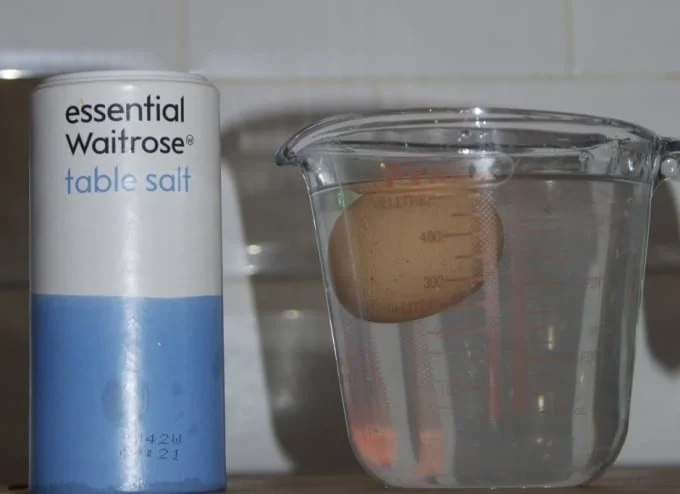
Consider testing additional objects in this experiment. You could, for instance, use small fruits or vegetables to examine differing densities. Ensure they sink in tap water first for a proper comparison. And this is the part most people overlook: experimenting with various items can promote a deeper understanding of buoyancy and density while keeping the learning process engaging.
You can also check other sink or float demonstrations for more fun.
Explore More Kitchen Science Experiments
Diving deeper into kitchen science opens a treasure chest of learning. Kids can learn how to make an egg bounce or discover how to bake ice cream without melting. These experiments offer engaging ways to connect everyday items with scientific principles and reinforce the learning experience.
If you're working in this space, the diversity of kitchen-based experiments can significantly cater to children with varying interests. Curious about the Maillard reaction? Find out more about science in the kitchen and explore reasons behind why honeycomb is bubbly. This not only satisfies scientific inquiries but can promote creativity in the kitchen as well.
Rainy Day Mum creatively links honeycomb to igneous rocks, offering a window into geology through culinary exploration!
Keep busy with a multitude of kitchen science experiments available to explore! The intersection of cooking and science provides a unique platform for learning that is often overlooked in traditional education. Doing these experiments engages children actively, merging fun with educational insights.
Future Outlook: Importance of Hands-On Learning
The shifting focus in education towards hands-on learning is becoming more significant than you might expect. Experiments such as floating eggs combine engaging activities with important scientific principles, fostering curiosity in young learners. Encouraging children to explore fundamental concepts through tangible experiments equips them with skills that textbooks alone can’t teach.
Moreover, the simplicity of these experiments can play a role in enhancing STEM education outreach. Programs aiming to inspire children in science can adopt similar methods, reinforcing foundational knowledge while making learning enjoyable. In an age where science can feel abstract, bringing it into the kitchen creates relatable, memorable experiences.
So, while it may seem like a simple kitchen experiment, it carries considerable weight. Engaging children in scientific inquiry through tangible experiences can spark a passion for lifelong learning, critical thinking, and experimentation. All that's needed is some salt and water.
Discussion
Sign in to join the discussion.