Uncover the intriguing bouncy egg experiment, engaging children and adults alike in hands-on science that highlights osmosis principles.


Why Eggs Capture Our Imagination
There's something captivating about eggs without their shells, a fact that resonates with kids and adults alike. The very sight of a raw egg, transformed to bounce rather than break, ignites curiosity and encourages exploration in young minds. This simple experiment, while entertaining, serves as a portal into fundamental scientific principles, making it a valuable educational tool across age groups.
Education often hinges on engagement, and this experiment proves that even common household items can be transformed into profound learning experiences. While it might seem like just another project for a rainy day, it actually offers a glimpse into chemical reactions, material science, and even physics — showcasing how everyday phenomena can be both fun and enlightening.
If you're looking for more egg-related activities, you'll find a variety of options out there. From understanding biological structures to the chemistry behind cooking, eggs can lead you down a number of educational paths. Consider checking out a variety of egg experiments available to further enrich your experience.
Bouncy Egg Experiment
Typically, when you drop an egg, it shatters without fail. But how do you turn that around to create a bouncing egg? The answer lies in a basic yet intriguing chemical reaction that takes place between the eggshell and vinegar. Here, children can learn about acid-base reactions in a way that’s both accessible and memorable.
Making an Egg Bounce
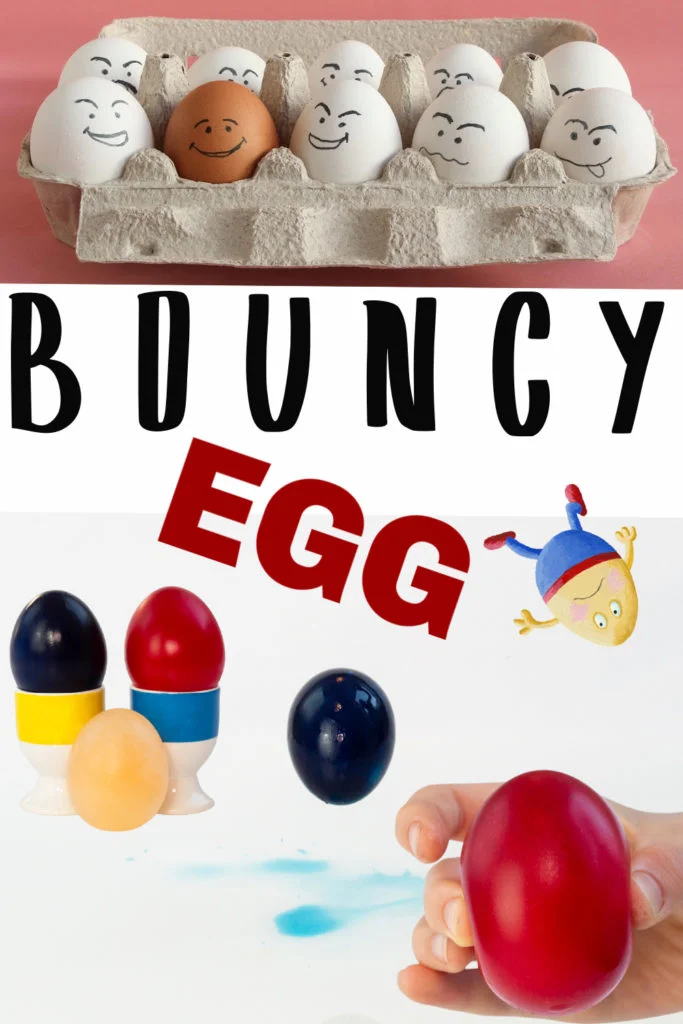
To start the process, submerge a raw egg in vinegar for about 24 hours; it’s essential to ensure that the egg is entirely covered. The vinegar's acetic acid reacts with the calcium carbonate in the eggshell, breaking it down and ultimately dissolving it. If you wish to speed up the shell removal, gently rub the egg under cold water periodically during the soaking. So simple yet so effective.
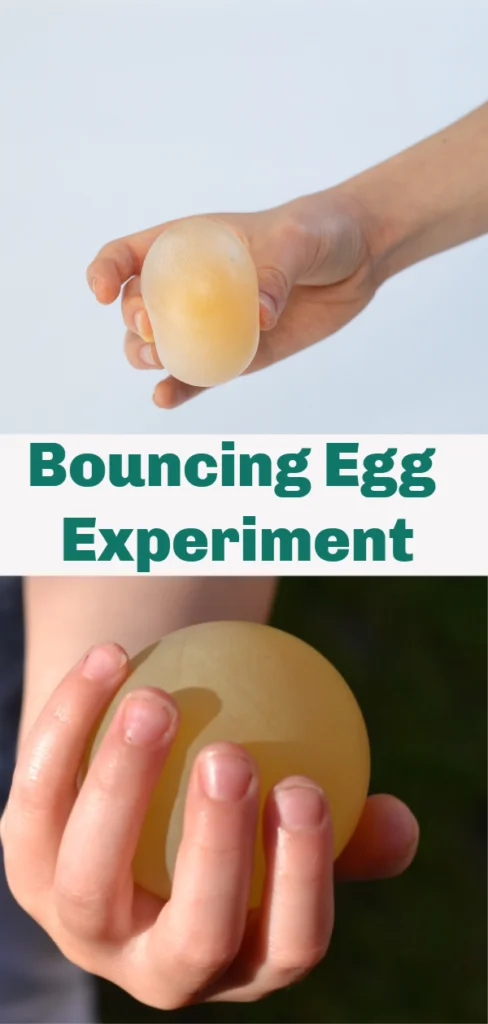
Once the shell has completely dissolved, you've got what’s known as a naked egg. Unlike its shelled counterpart, this new form can now bounce! Depending on the specific egg, you'll notice varying levels of durability, making it interesting to test different types or sizes for their bounce potential. Why do some eggs bounce higher than others? That’s the type of inquiry that drives deeper understanding.
To experiment with your bouncy egg, drop it carefully from a low height and see how it performs. You could even measure the height until it breaks or try bouncing it on different surfaces to observe variations in performance. Such hands-on experimentation deepens learning and fosters a spirit of inquiry in children. What might seem like a playful distraction can lead to foundational skills in scientific thinking.
Explore More with Eggs
Eggs can also provide insights into tooth decay, modeling how acids can affect structures related to calcium. Additionally, they can demonstrate unbreakability under certain conditions. For a more hands-on approach, consider building an egg shell bridge, where children can learn about loads, tensions, and structural integrity.

Key Stage 1 Science
Investigative Skills
If you’re working with young learners, encourage them to predict whether an egg can bounce. This prediction phase is vital; it leverages their previous experiences with eggs and helps them formulate hypotheses, engaging their critical thinking.
Presenting Evidence
To assess outcomes effectively, did you create a table showcasing how high various eggs bounced? This data collection is beyond just numbers; it’s about understanding the experiment and developing skills in presenting scientific findings. Factors such as surface type, egg type, and bounce height all come into play here.
Evaluate the Evidence
Reflect on whether the results met their expectations or not. This evaluation part enhances the learning experience—it’s in the surprises that real learning takes place. Children understand that science isn’t just a formulaic process; it’s often unpredictable and requires careful thought.
Implications and Future Outlook
As a hands-on educational tool, the bouncy egg experiment exemplifies how simple activities can foster a love for science in children. Its value lies not just in the mesmerizing result but in the underlying principles that come to light. Each bounce prompts questions about materials, forces, and chemical reactions, laying foundational knowledge that can translate into more complex scientific concepts later on.
The implications extend beyond mere entertainment; such experiments can inspire STEM interest in young learners. And with ongoing discussions about enhancing educational curricula, activities that promote scientific inquiry should be prioritized. These types of experiments also enhance cooperative learning: working in groups reinforces communication skills while nurturing teamwork, both of which are indispensable in any scientific endeavor.
Ultimately, while this experiment captures a playful spirit, it also serves as a reminder that the path to scientific discovery often begins with a simple question: “What happens if...?” That is the essence of curiosity, and nurturing it can lead to a lifetime of exploration.
Affiliate links
The post Bouncy Egg Experiment appeared first on Science Experiments for Kids.
Discussion
Sign in to join the discussion.