Explore the concept of mixtures, how to create them, and engaging experiments to highlight separation techniques suitable for children.
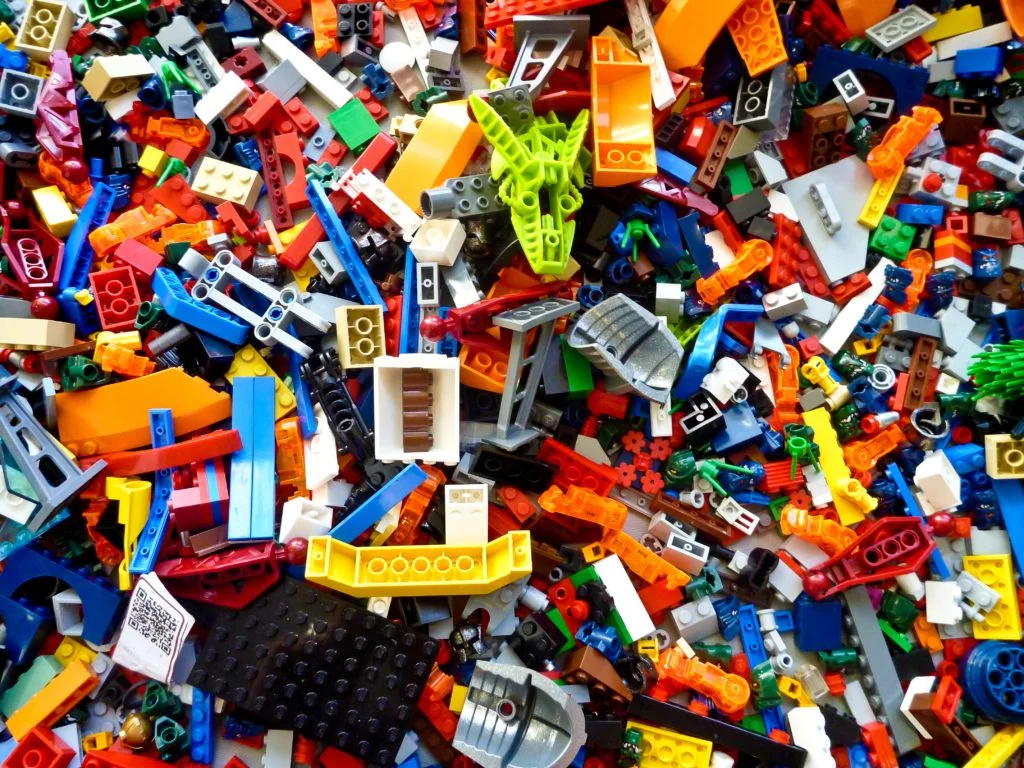
Understanding Mixtures: Definition and Characteristics
A mixture is defined as the physical combination of two or more distinct substances. This blend is notable because the components do not undergo any chemical transformation during the mixing process. Each part maintains its own properties, which allows for easy separation afterward. This simple yet crucial concept has implications across many fields including chemistry, cooking, and material science.
For example, consider a scenario where you mix Skittles with full-size marshmallows. After blending, these colorful candies and fluffy confections can easily be sorted again, showing that both items retain their original attributes. In scientific terms, the individual components of this mixture—Skittles and marshmallows—remain unaffected. This characteristic of mixtures is why they contrast sharply with solutions, where the components cannot be easily separated.
Creating Your Own Mixtures: Hands-On Learning
Making mixtures at home offers a practical way to grasp the concept while engaging in enjoyable activities. Here are a couple of straightforward projects you might consider:
- Start with a mixture of various toys. This could be a fun activity for children, allowing them to hand-pick favorites and observe differences.
- Then, try mixing cereals or candies. Allowing kids to sort and separate these edible items can stimulate a greater understanding of mixtures in a delightful and tasty way.
These activities not only entertain but also serve as an informal lesson in the principles of mixture formation and separation. They provide an engaging environment for discussions about physical properties and how they manifest in everyday items.
Exploring Solutions: A Different Kind of Mixture
A distinction in the study of mixtures is the concept of a solution. This occurs when a solid, known as the solute, fully dissolves in a liquid, referred to as the solvent. A classic example is salt dissolving in water, a reaction almost everyone is familiar with. The beauty of this process lies in the ability to recover the salt through evaporation, effectively demonstrating the difference between a mixture and a solution. When the liquid evaporates, the solid reappears, leaving no trace of the liquid behind.
What this means for you is that while a mixture can be visibly separated without any change to its individual components, a solution undergoes a transformation of sorts—yet maintains the potential for reversal. This interplay can spark curiosity about everyday occurrences and the nature of chemical interactions.
Conducting an Investigation: Testing Mixtures
Aim: Determine which mixtures yield solutions and which do not. Here are a few combinations you might want to test:
- Salt and water
- Sugar and water
- Sand and water
Expected Results: In your tests, both salt and sugar should dissolve in water, forming solutions. Meanwhile, sand will settle at the bottom, unable to combine with the liquid. This simple experiment highlights the foundational differences in how materials interact with each other. And yet, while you may expect all solids to behave in a similar way, this isn’t the case. Understanding these outcomes reinforces the critical thinking skills that are paramount in scientific inquiry.
Separating Mixtures: Techniques and Methodologies
Separation techniques hinge largely on the properties of the components within the mixture. For example, using a sieve to separate sand from water works well since sand is insoluble. Conversely, for soluble substances like salt and sugar, evaporation is the optimal method. This diversity in separation techniques underscores the varied nature of mixtures and the science required to manipulate them.
Another notable method for separation is chromatography, which can particularly reveal complex relationships between components in a mixture. This technique allows for the separation of colored substances, offering a dynamic visual representation of composition. Such methods not only facilitate education but also practical applications in industries like pharmaceuticals and food science. The intricacies involved in these processes can make understanding mixtures all the more fascinating.
Challenge: Separating Rock Salt and Water
Rock salt, which is essentially a mixture of salt and sand, presents a practical investigation into separation techniques commonly used in icy conditions on roads. Breaking down this process into smaller, manageable stages provides students and novices an accessible way to engage with science:
Stage 1 – Grinding
Begin with grinding the rock salt using a pestle and mortar. This initial step simplifies the salt and sand particles, making it easier for them to dissolve in water.
Stage 2 – Dissolving
Next, dissolve the ground rock salt in a beaker, ensuring thorough stirring. You’ll notice how quickly the salt disappears, illustrating the principles of solubility.
Stage 3 – Filtering
Pass the mixture through filter paper to catch the sand, which remains undissolved. This is where the practical application of filtration becomes apparent. The contrast between the solute and insoluble component is revealed.
Stage 4 – Evaporating
Finally, recover the salt by evaporating the water, whether through sunlight exposure or applying gentle heat. This final step yields salt crystals through a process known as crystallization.
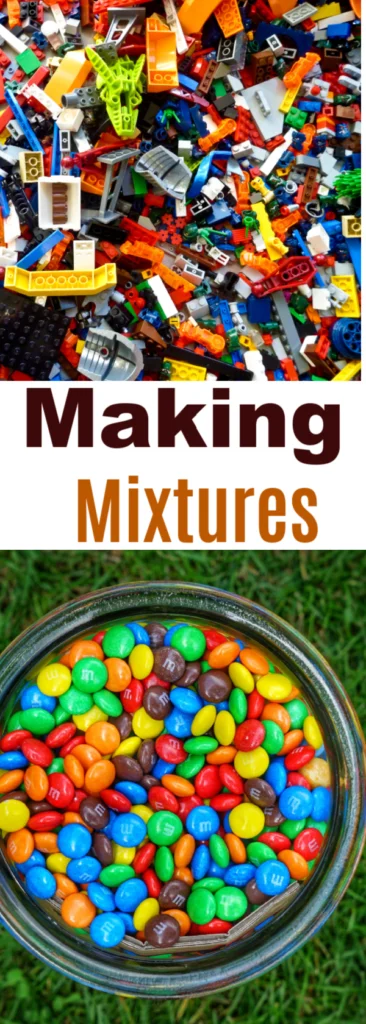
These activities provide exciting hands-on learning about mixtures and their properties! Learning while doing boosts retention, and this kind of intervention can inspire a lifelong interest in science.
The Implications of Understanding Mixtures
Understanding the distinction between mixtures and solutions holds significant importance, particularly in educational contexts. As students grasp how to create, manipulate, and separate mixtures, they are also learning about fundamental scientific principles applicable in various fields. This learning process nurtures critical thinking and problem-solving skills that extend beyond the classroom.
If you’re working in this space—be it academia or even industry—consider how these foundational concepts can relate to more complex processes. For instance, in chemistry and biology, recognizing the subtle differences can influence experimental design and outcomes. The knowledge you gain about mixtures isn’t just academic; it has practical significance in real-world applications, from cooking to materials science.
In a broader scope, as society faces challenges related to resource management and environmental sustainability, understanding materials in their mixture forms will be pivotal. The way we interact with substances could very well dictate future innovations across numerous sectors, reinforcing the idea that education in scientific concepts can have lasting societal impacts.
Discussion
Sign in to join the discussion.