Unlock the secrets of Baked Alaska, where ice cream stays frozen through baking thanks to clever meringue insulation.
Understanding Baked Alaska: A Classic Dessert
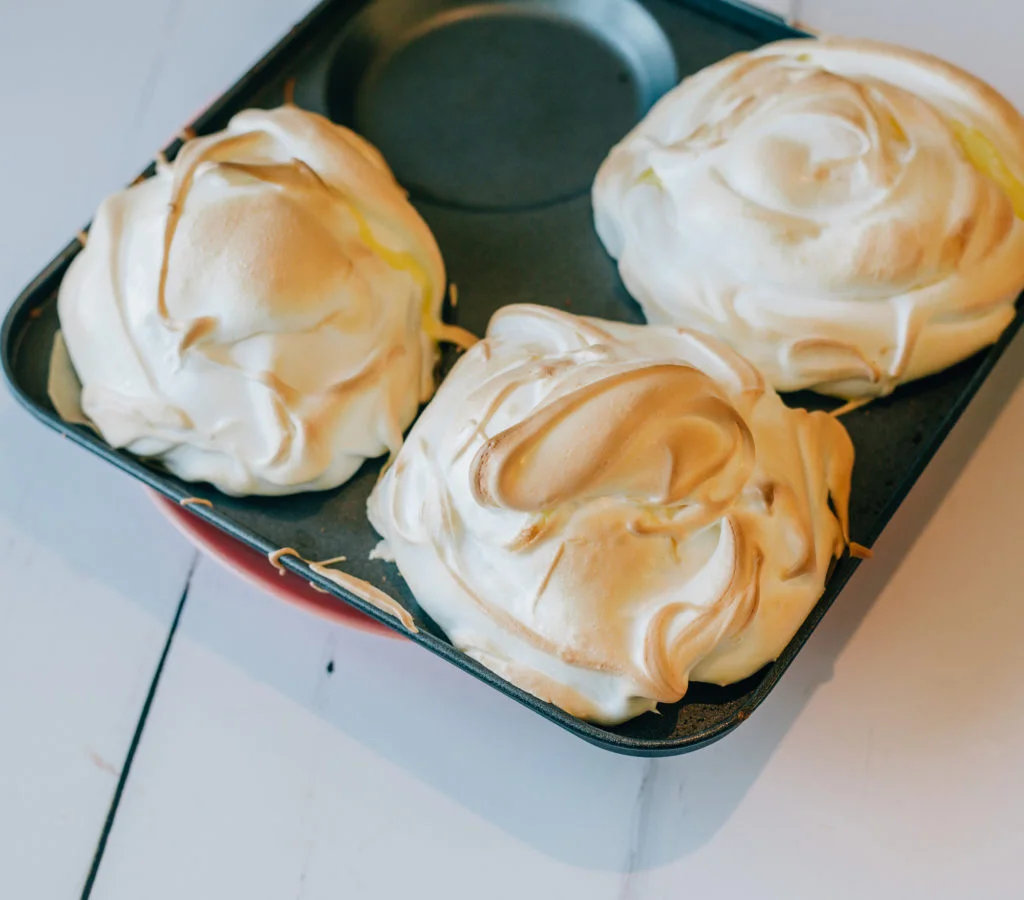
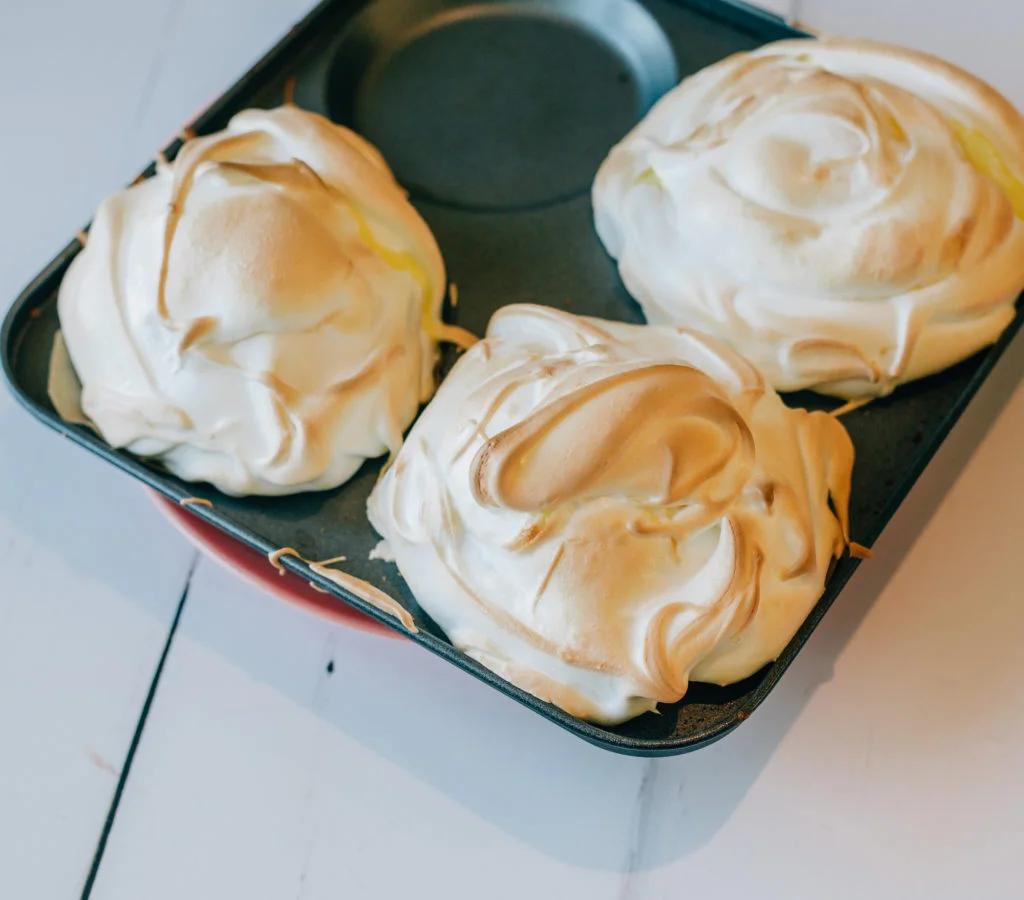
Surprisingly, you can bake ice cream without it melting when you prepare a delightful Baked Alaska. This iconic dessert combines a base of sponge cake with a center of ice cream, encased in a fluffy meringue topping. While it may seem counterintuitive to bake ice cream, Baked Alaska showcases the fascinating interactions of heat, insulation, and time — making it a unique culinary experience.
Baked Alaska's history can be traced back to the 19th century when it was believed to have been created in honor of the U.S. acquisition of Alaska. The blend of flavors and textures offers a visual appeal that can elevate any dining occasion. The dish requires precision to ensure that the ice cream remains solid even under high temperatures. That’s part of what makes it a great demonstration of kitchen science.
The Science Behind It: Meringue’s Insulative Properties
The key to maintaining the ice cream's integrity lies in the meringue. Meringue is primarily made from whipped egg whites and sugar. Its airy structure acts as an insulator, blocking heat from the oven from penetrating the frozen core. This insulating property of meringue is what effectively creates a barrier between the heat and the ice cream, ensuring that the dessert can handle brief exposure to high heat without affecting the frozen interior.
This phenomenon isn't just limited to Baked Alaska; similar systems typically use insulative methods to protect delicate ingredients during cooking. Other desserts, like soufflés, rely on airiness for structure, but Baked Alaska uniquely combines elements that create a delightful contrast in temperature. The sponge cake acts as a second layer of protection and adds a delightful textural component that complements the creamy ice cream.
Ingredients Needed
You'll require the following items to prepare Baked Alaska:
- Ready-made sponge cake
- Jam
- Vanilla ice cream
- 3 egg whites
- 175g caster sugar
- 1/2 teaspoon cream of tartar
Preparation Steps
Start by preheating your oven to a temperature of around 200 °C (or about 400 °F). This temperature is critical; it should be high enough to cook the meringue quickly without affecting the ice cream.
Cut the sponge cake into five 1cm thick slices and place them on a baking sheet. Spread a thin layer of jam on each slice. The jam not only adds flavor but also helps to keep the sponge cake moist.
For the meringue, whisk the egg whites until stiff peaks form. Gradually add half of the sugar along with the cream of tartar, then whisk again. The cream of tartar stabilizes the egg whites, which is important for achieving that desired volume and texture.
Next, mix in the remaining sugar and continue whisking until the meringue achieves a thick, glossy texture. This texture is essential as it contributes to the meringue’s insulative properties once it’s baked.
Top each sponge slice with a generous scoop of ice cream and cover it completely with the meringue mixture. Make sure to seal the ice cream well — this is critical to keeping the ice cream from melting.
Bake for 3-4 minutes, then serve immediately. You’ll be amazed by the marvel of baked ice cream that remains frozen in the center! The experience of cutting into the dessert reveals the cold ice cream encased within the warm meringue and sponge, creating a satisfying visual and culinary contrast.
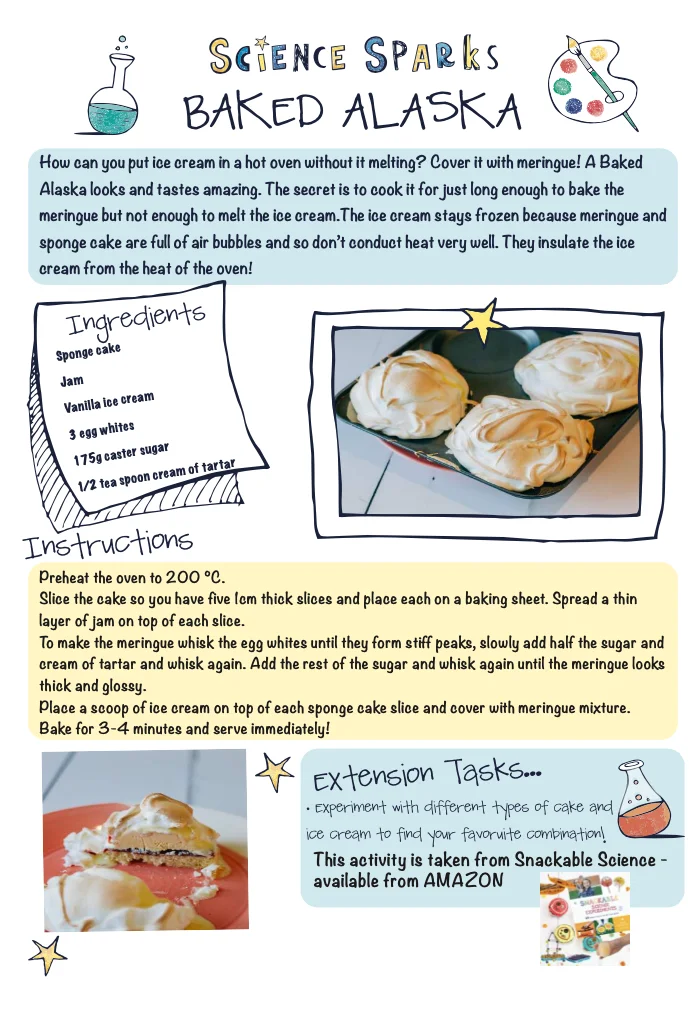
For more detailed instructions, you can download the Baked Alaska instructions here.
Explore More Kitchen Science
Learn the science of meringue by trying your hand at building meringue towers. It’s a fun project that connects science and cooking, making it perfect for families and kids alike.
Dive into candy chromatography and discover the colors hidden in sweets. This is where you get to play scientist while indulging your sweet tooth. (and this is the part most people overlook) It’s a fantastic way to engage with the principles of chemistry in an approachable manner.
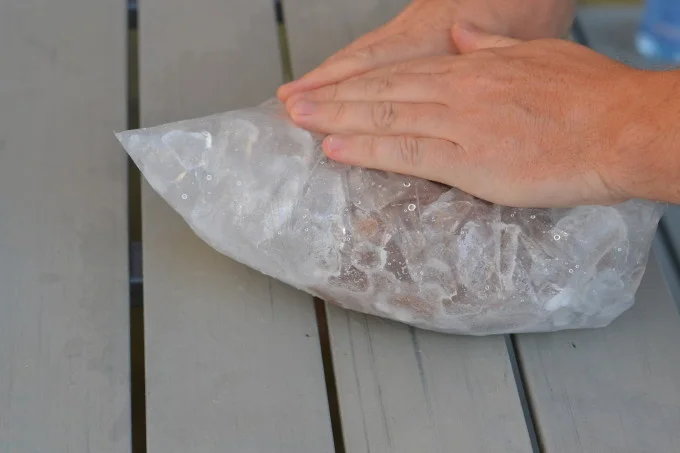
Or, try making ice cream in a bag by harnessing the cooling power of salt. It’s another wonderful kitchen experiment that also yields a tasty treat.
The Significance of Baked Alaska in Culinary Science
What does all of this mean for you? Engaging with Baked Alaska not only allows you to impress your guests but also serves as an interactive lesson in thermal properties and the science of cooking. It’s a perfect example of how science and culinary arts merge.
This combination of learning and enjoyment can inspire curiosity in both young and old alike. The implications for cooks and science enthusiasts are profound. It indicates that understanding the mechanics behind cooking can open up a world of experimentation, leading to unique dishes that challenge traditional methods.
In short, Baked Alaska is more than just a beautiful dessert; it stands as a delicious testament to the science that happens right in your kitchen.
The post Master Baked Alaska: Bake ice cream without it melting! appeared first on Science Experiments for Kids.
Discussion
Sign in to join the discussion.