Explore the Maillard reaction, the key process behind browning and flavor in cooking, and its role in baking and food preparation.
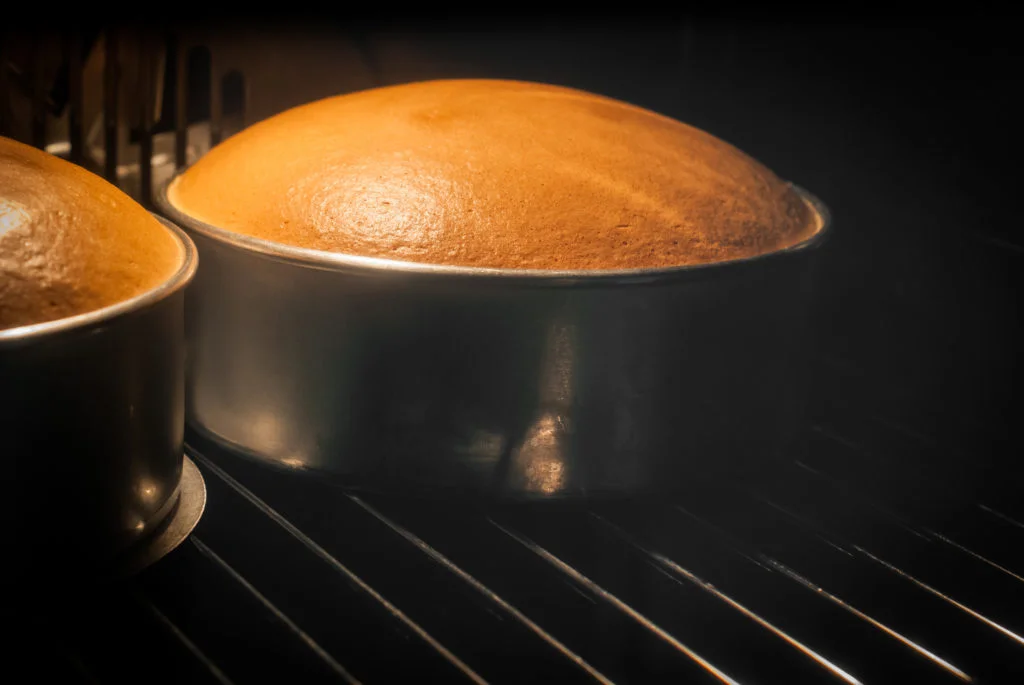
The Maillard reaction, often termed the browning reaction, plays a pivotal role in developing the flavors and colors of cooked foods. At its core, this reaction occurs when amino acids, the building blocks of proteins, interact with reducing sugars, resulting in the characteristic browning and aromatic qualities we associate with well-cooked dishes.
Understanding the Maillard Reaction
The Maillard reaction isn't just a culinary buzzword; it's a complex chemical process that typically occurs when food is subjected to high heat. Specifically, it begins around 300°F (about 150°C) and rapidly escalates from there, leading to numerous chemical transformations that alter the food's nutritional and sensory properties. The process starts when reducing sugars react with amino acids. This reaction forms a series of intermediate compounds, which eventually lead to the formation of melanoidins, the brown pigments that lend food its appealing appearance.
What many cooks overlook is that this process is not uniform. The extent of browning depends on various factors, including temperature, cooking time, moisture content, and even the specific type of protein and sugar involved. For instance, foods with higher sugars or amino acids will experience a more pronounced browning effect. This complexity is what makes mastering the Maillard reaction both an art and a science.
Culinary Applications of the Maillard Reaction
This reaction is what gives cakes their appealing brown exterior, along with seared meats, cookies, and artisan breads. Imagine biting into a perfectly browned steak; it’s not just about aesthetics. That caramelized crust signifies deeper flavors, thanks to the intricate reactions happening on its surface. The smell of baked bread wafting through the kitchen? That's the result of the Maillard reaction—a tantalizing mix of volatile compounds released as proteins and sugars interact.
Even the use of egg as a glaze enhances this reaction by providing additional protein, contributing to the golden crust of pastries and sausage rolls. Bakers often utilize egg wash to amplify browning, a tactic that signals sophistication and culinary skill. This isn't merely about presentation; that shiny, golden exterior signifies a depth of flavor that home cooks and professionals alike strive to achieve.
Take, for example, the differences in crust development among various breads. A French baguette relies heavily on the Maillard reaction for its crusty exterior, while a softer loaf like brioche may achieve its color and flavor profile through a blend of Maillard reactions and other processes, like steaming. Understanding these differences can elevate one's baking game, transforming simple recipes into extraordinary experiences.
Comparing Maillard Reaction with Caramelization
While the Maillard reaction is a significant contributor to browning, it's essential to distinguish it from another chemical process called caramelization. This process results from the thermal decomposition of sugars and does not require amino acids. Caramelization begins at higher temperatures than the Maillard reaction, typically around 320°F (160°C). While both processes develop flavors and colors, the resulting outcomes are distinctly different. Caramelization yields a sweet, rich flavor, whereas the Maillard reaction produces complex, savory notes—this is the part most people overlook.
If you're working in this space, you'll find that understanding the interplay between these reactions can lead to better culinary outcomes. Chefs often exploit both reactions to enhance the flavor profile of dishes. For instance, a dish might feature caramelized onions, which provide sweetness, alongside seared steak, rich in savory flavors enhanced by the Maillard reaction. The balance between these processes can create a harmonious dish that engages all the senses.
The Science Behind Baking and Cooking
The intricate chemistry behind baking and cooking is fascinating and is often ignored in favor of more straightforward, recipe-driven approaches. Many cooks operate on instincts and inherited knowledge, but delving deeper into the science can lead to more consistent and elevated results. Emerging research into food science is providing chefs with tools to understand and manipulate these reactions more effectively, sharpening their skills.
As culinary education continues to expand beyond traditional methods, more chefs are beginning to understand the chemistry at play in their kitchens. Institutions worldwide are now introducing food science courses that cover reactions like caramelization and the Maillard reaction. This integration of science into culinary arts is vital. It allows budding chefs to experiment confidently, knowing that adjustments in technique can yield significant changes in flavor and texture.
Implications for Home Cooks and Professionals
The significance of mastering the Maillard reaction can't be overstated. For home cooks, understanding this reaction can elevate everyday meals. Knowledge of how to induce browning can turn a simple roast chicken into a show-stopping centerpiece. For culinary professionals, a grasp of this reaction can lead to menu items that stand out in a competitive marketplace.
Moreover, as consumers become more educated about the science of food, there’s a growing demand for transparency and craftsmanship in cooking. People increasingly want to understand what they’re consuming and how it’s prepared. Chefs who can explain the chemistry behind their cooking will likely resonate more with customers who appreciate not just the end product but the process involved in achieving it.
What this means for you—whether you're a home cook or a professional—is that experimenting with heat, timing, and the ingredients themselves is essential. It's about pushing boundaries and finding ways to elevate dishes using knowledge of how these processes work.
Delving deeper into this subject through resources like the Science Sparks Bake Off can offer valuable insight into effectively harnessing the Maillard reaction in your culinary endeavors.
Discussion
Sign in to join the discussion.