Discover a variety of engaging water science experiments that teach kids about the unique properties of water through hands-on exploration.
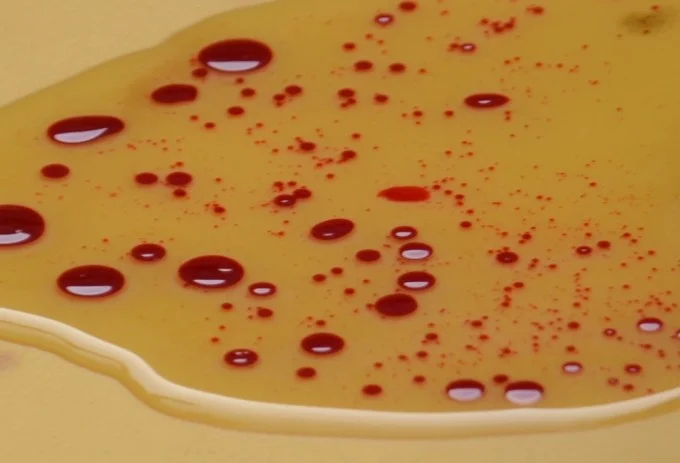
Water is an incredible substance, and its unique properties make it an ideal subject for engaging scientific experiments with children. As the only natural compound that can exist in three physical states at temperatures found on Earth, water offers ample opportunities for exploration and discovery.
Key Properties of Water
- Covering roughly 70% of our planet's surface.
- Expanding upon freezing, which has implications for environmental science.
- Essential for life; all living organisms depend on it.
- Exhibiting capillary action, enabling it to move upwards against gravity.
These characteristics open the door for various simple experiments, captivating young minds while introducing them to fundamental scientific principles.
Freezing and Melting Experiments
Freeze and melt activities are both entertaining and educational. For younger kids, ice cubes are a tactile medium; consider freezing small toys within them for added excitement. Activities like LEGO ice excavations allow for imaginative play while learning about temperature and state changes.
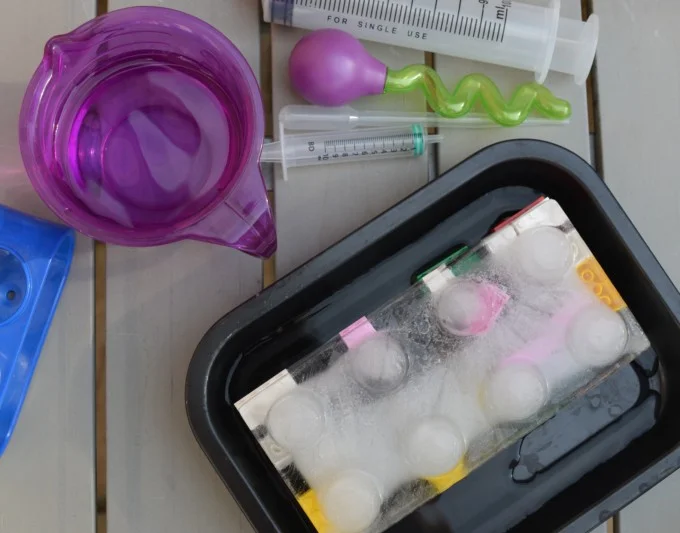
Encouraging children to explore how cold ice feels enhances sensory experiences and can be tied into discussions about temperature and texture.
The Water Cycle in Action
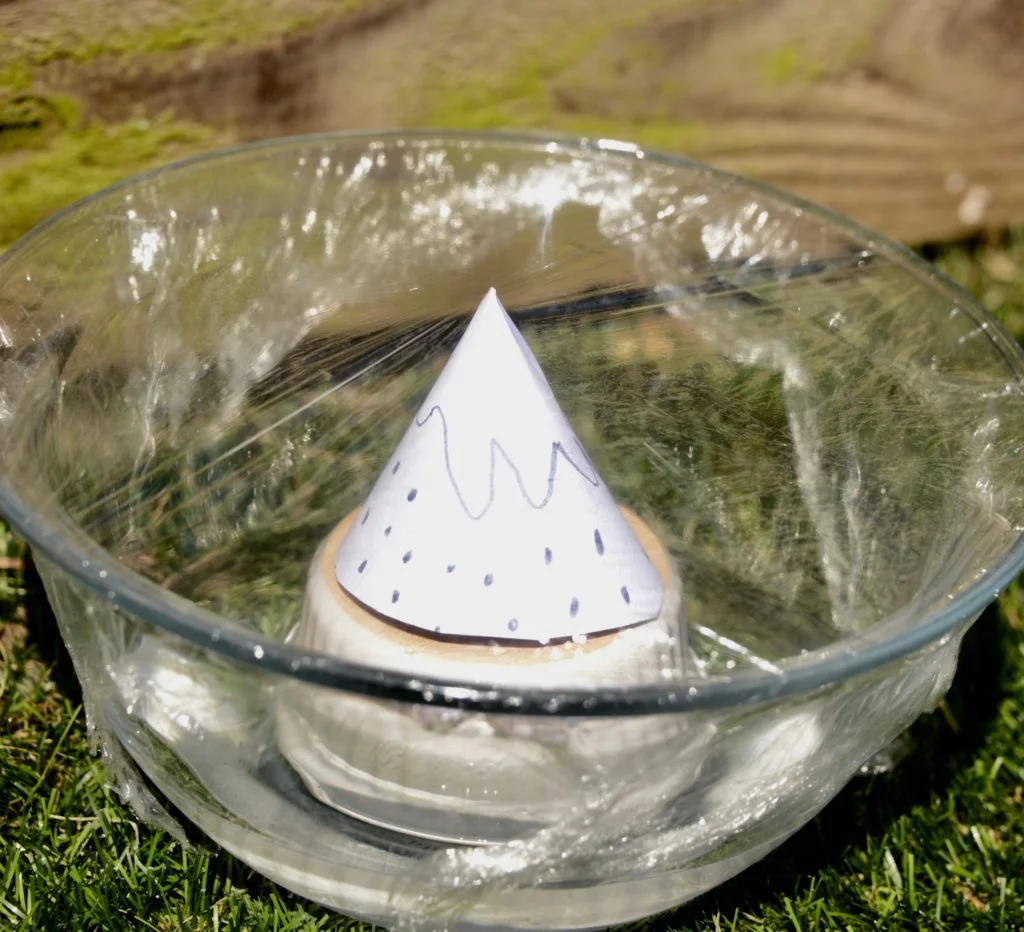
Create a mini water cycle in a bag or a contained model to illustrate evaporation and condensation. These projects illuminate complex concepts in a visual and interactive way, making difficult topics more accessible for older children.
Density: A Fundamental Concept
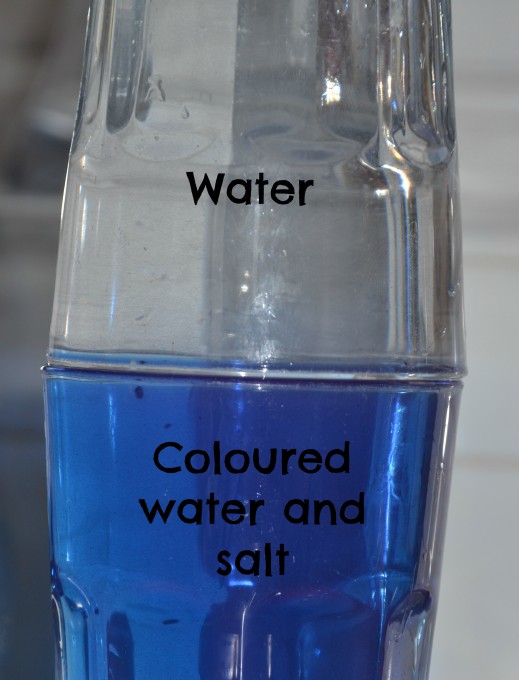
The concept of density can be difficult to understand, but using a density experiment can simplify things. By adding salt to water, kids can observe how salty water sits below clear water due to differences in density. Activities such as creating density jars allow children to experiment with various liquids, examining which objects sink or float.
Understanding Transpiration
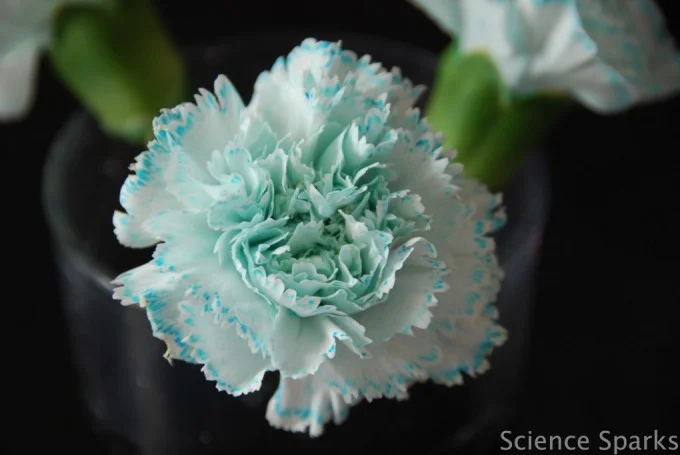
Children can learn about transpiration by creating colorful flowers. This fascinating experiment allows them to visually trace the movement of water through a plant and into the petals, enhancing understanding of plant biology.
Sinking and Floating Activities
Younger children will find sinking and floating experiments particularly captivating. Activities can involve objects that children can predict will sink or float, helping reinforce concepts about buoyancy and density. Older kids can create models, like a plasticine boat, to explore the same principles in a fun, hands-on way.
Oil and Water Interactions
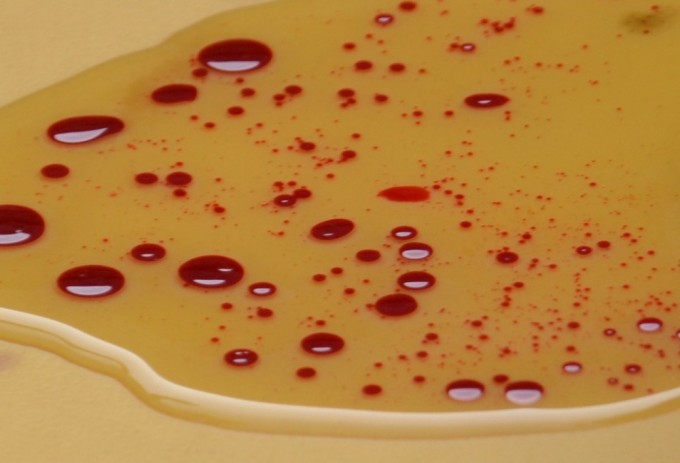
The principles of density can also be illustrated through oil and water experiments, allowing kids to investigate why these two liquids don't mix. Using colored water and pipettes can make this activity visually striking and memorable.
Exploring Osmosis
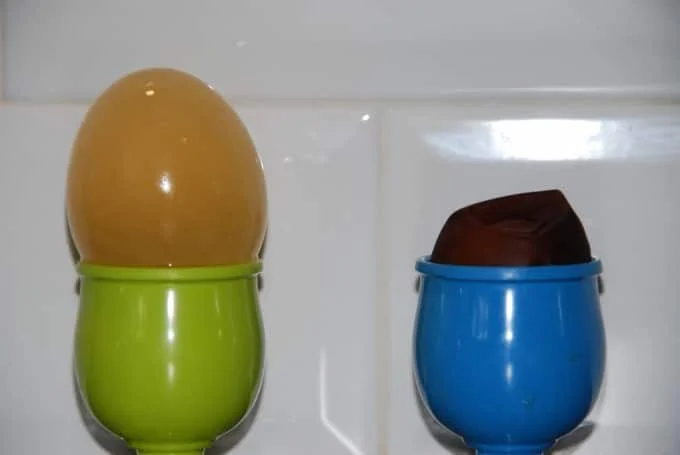
Introduce children to the concept of osmosis using eggs, showing how water moves through semi-permeable membranes. While the term might seem complex, using practical demonstrations can effectively illustrate the principle.
Observing Absorption
Kids can explore absorption through simple experiments with sugar cubes, making it easy to visualize how water moves through different materials. For another engaging activity, try the walking water experiment to investigate how different materials absorb moisture.
Water in Rocketry
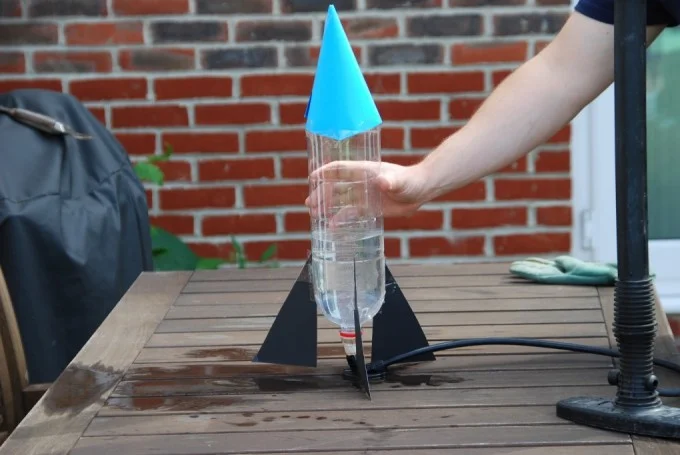
For a thrilling experiment, consider building a water-powered bottle rocket to teach about air pressure and propulsion principles.
Investigating Filtration
Explore methods to clean water through an easy filtration activity using items like paper towels or sand. This also provides an avenue to discuss environmental impacts like oil spills and how to mitigate them.
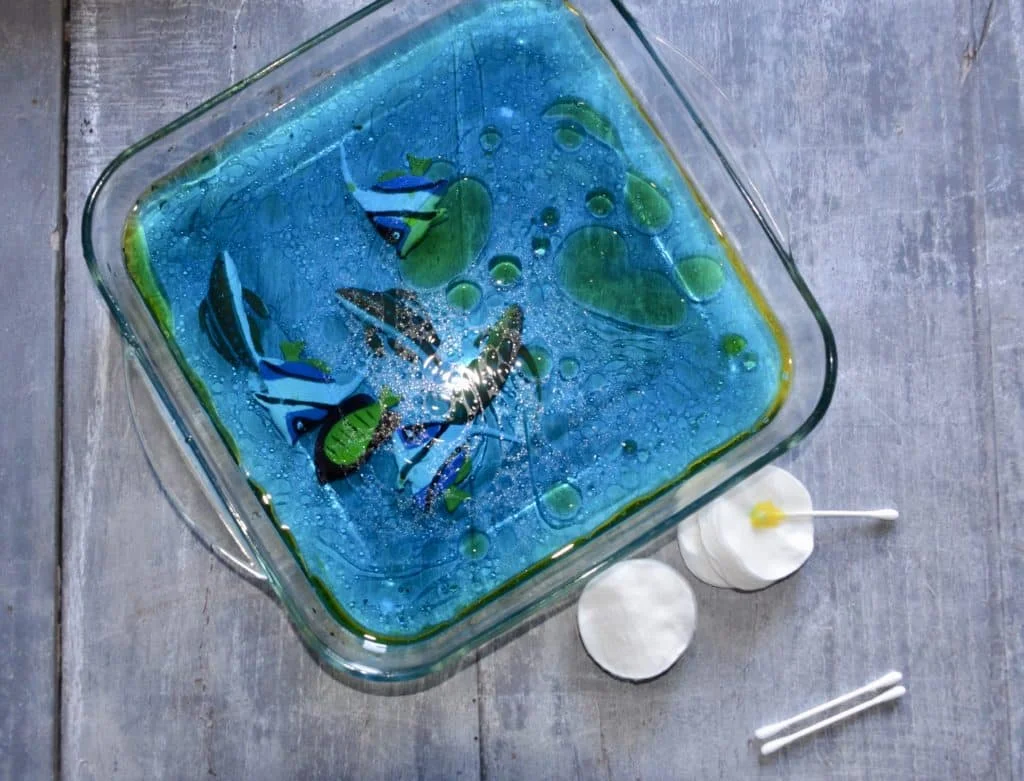
Material Permeability
Determine which materials are waterproof by constructing a LEGO house and testing various materials for their effectiveness in keeping the interior dry.
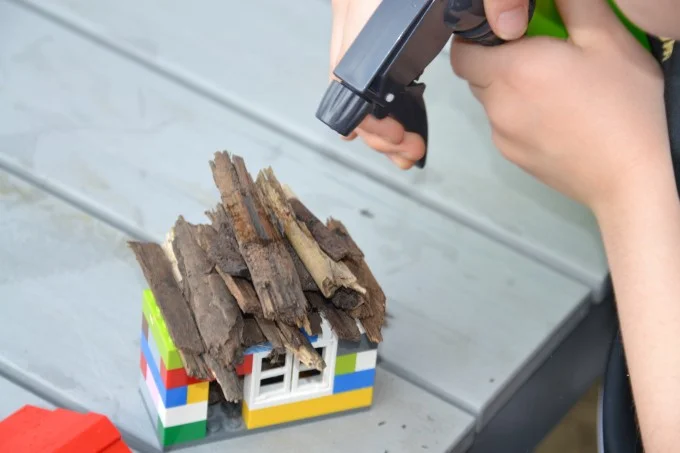
Dissolving Substances in Water
Engage kids in predicting and testing which solids dissolve in water. This experiment encourages critical thinking and enhances their understanding of solubility.
What additional water science experiment ideas can you share? Let's continue to inspire curiosity and a love for science!
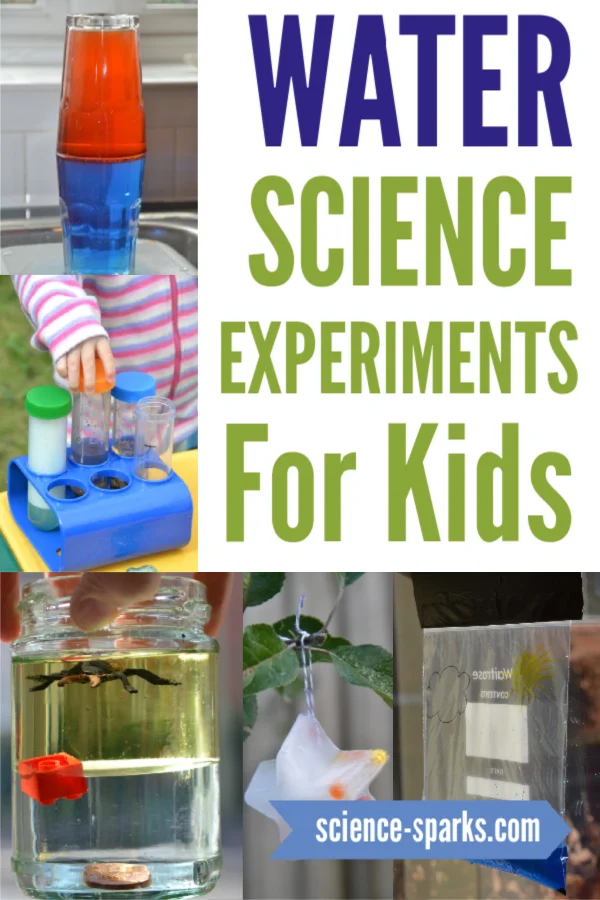
Explore More Scientific Fun
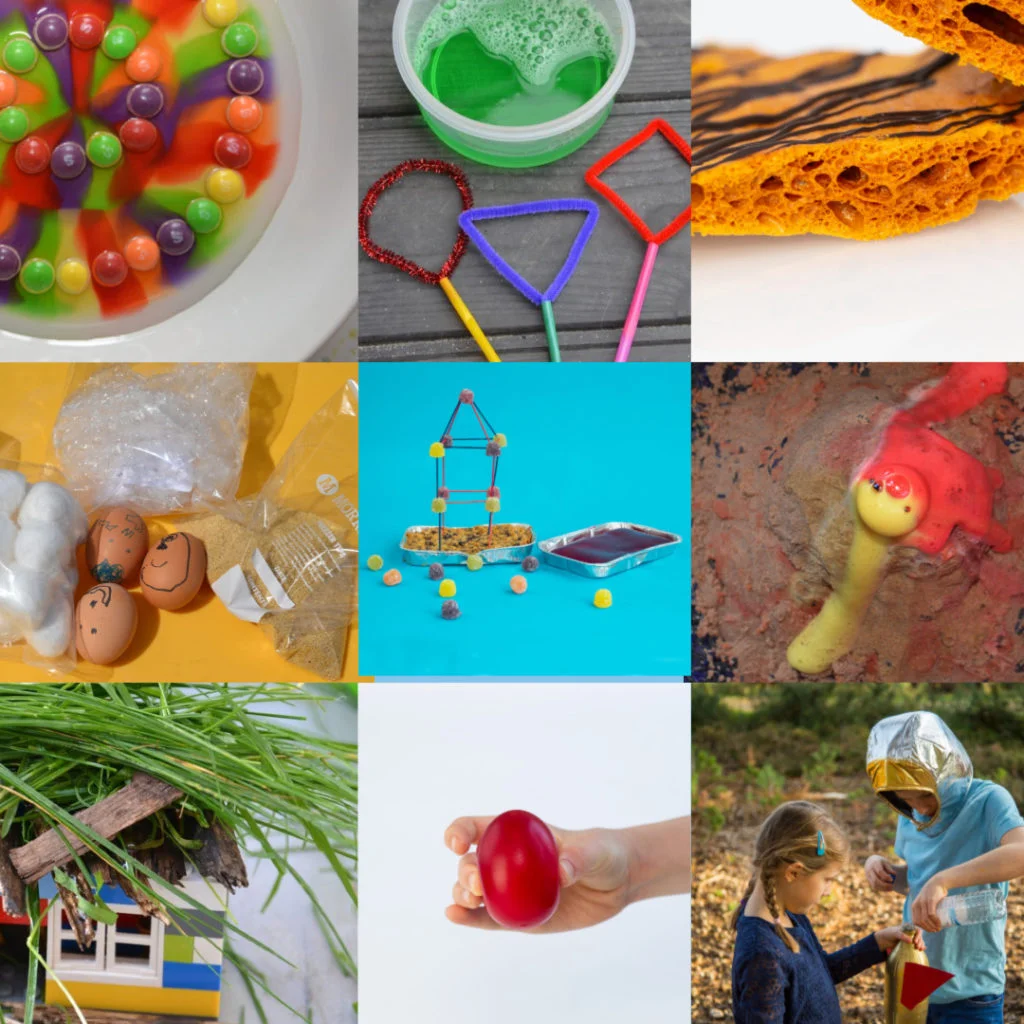
Consider trying some exciting science tricks or Fairy Tale STEM challenges for even more hands-on learning opportunities. Don't forget to explore our extensive collection of science experiments for kids!
Discussion
Sign in to join the discussion.