Discover the fun and educational process of inflating a balloon with lemon juice through a simple chemical reaction.
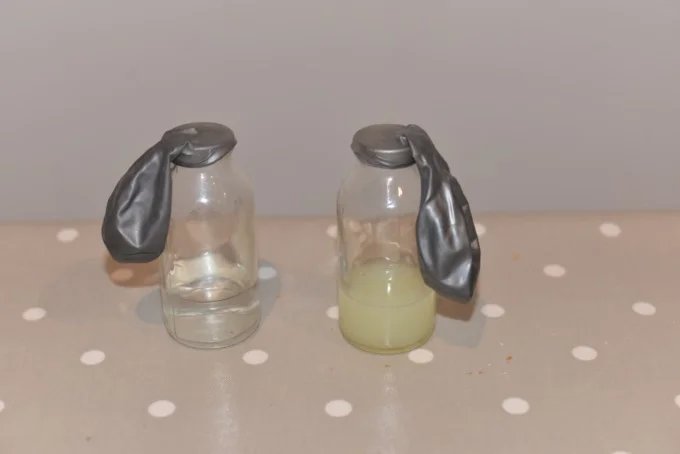
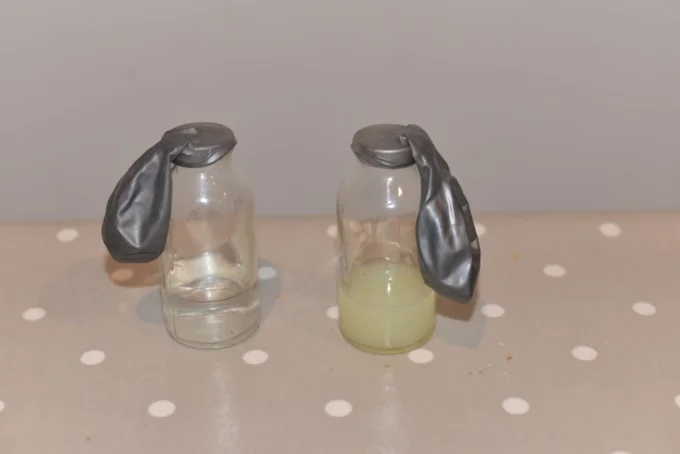
Today’s exciting experiment involves inflating a balloon using lemon juice. Achieving the perfect technique required a bit of trial and error, making it a fantastic exploration of chemical reactions.
Inflating a Balloon with Lemon Juice
Materials Required
You’ll need:
A small bottle or jar
Lemon juice
Vinegar
Baking soda
Balloons
Step-by-Step Instructions
Begin by stretching the balloon slightly to facilitate inflation. This step may seem trivial, but it helps ensure the balloon inflates evenly and reduces the risk of bursting. A well-stretched balloon can absorb the gas pressure more effectively.
Next, fill the jar or bottle to about a quarter with lemon juice. The acidity of the lemon juice is key to the reaction that will take place, so don’t skimp on this part—the more acidic the solution, the more noticeable the effect.
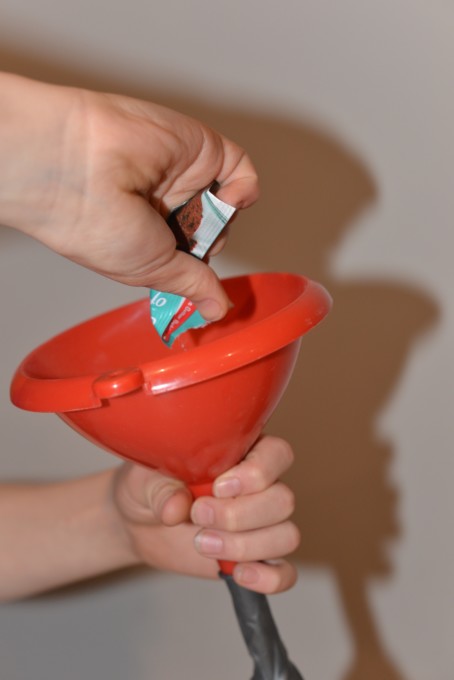
Using a funnel, carefully add the baking soda into the neck of the balloon. Precision is important here; too much or too little baking soda can affect the reaction’s intensity, and thus the balloon’s inflation. Balance is critical to getting that satisfying puff.
Position the balloon over the bottle’s opening, ensuring a tight seal. Any gap here can lead to a gas escape that minimizes the balloon’s inflation. When prepared, lift the balloon to allow the baking soda to mix with the lemon juice.

Observe the balloon as it starts to inflate. This visual spectacle is not just entertaining; it’s a vivid demonstration of chemistry taking place right in front of your eyes.
Alternatively, you can pour the baking soda directly into the jar and quickly cap it with the balloon; however, this method can be trickier. You must act fast to capture the gas produced without losing any pressure.
Extension Activity
Conduct a fair experiment to discover whether vinegar, lime juice, or lemon juice generates more gas. This research question encourages critical thinking and the scientific method. Consider how to measure the gas produced accurately, perhaps by varying the volume of liquid and baking soda in a controlled setting.

Be sure to keep variables consistent, such as the amounts of baking soda, vinegar, and lemon juice. Doing so will lead to more reliable results, allowing you to accurately compare the effectiveness of each acid in generating carbon dioxide gas.
The Science Behind the Inflation
The inflation occurs due to the chemical reaction between the acidic lemon juice (or vinegar) and the base baking soda, resulting in carbon dioxide gas that fills the balloon. This reaction illustrates a fundamental principle of chemistry: the interaction between acids and bases. When they mix, they react to produce new substances, including gases that can cause items like balloons to inflate.
This provides a clear example of acid-base reactions in action, highlighting both the fun and educational aspects of chemistry. Understanding this principle is essential for grasping more complex chemical interactions found in a variety of scientific fields.
Explore More Baking Soda Experiments
Check out additional engaging chemistry experiments for kids. There’s a world of science just waiting to be tapped into, and baking soda is a versatile ingredient that can unlock numerous exciting reactions.
Try your hand at one of the 10 fascinating baking soda experiments! These experiments not only foster curiosity but encourage scientific exploration in environments that might not have access to sophisticated lab equipment.

The post Exploring Chemical Reactions: Inflate a Balloon Using Lemon Juice appeared first on Science Experiments for Kids.
Significance and Future Outlook
This experiment, while simple, allows for an engaging introduction to chemical reactions for children. It demonstrates basic scientific principles in a way that's accessible and interactive. If you’re working in this space, understanding how to pique interest in these topics can lead to deeper learning experiences.
Importantly, these types of experiments can lay the groundwork for future explorations in science, technology, engineering, and mathematics (STEM) education. As curiosity develops through hands-on activities, children may cultivate an interest in pursuing related fields. And this is the part most people overlook: the role that simple experiments play in inspiring the next generation of scientists.
Moreover, as society progresses and stress on educational systems continues, encouraging such experiments at home or in classrooms can be vital for fostering a love for science beyond formal settings. The impact of experiential learning can't be understated; it builds confidence and curiosity in young minds.
Discussion
Sign in to join the discussion.