Beat the heat with quick and easy homemade slushy drinks using ice and salt, perfect for summer fun and simple science experiments.
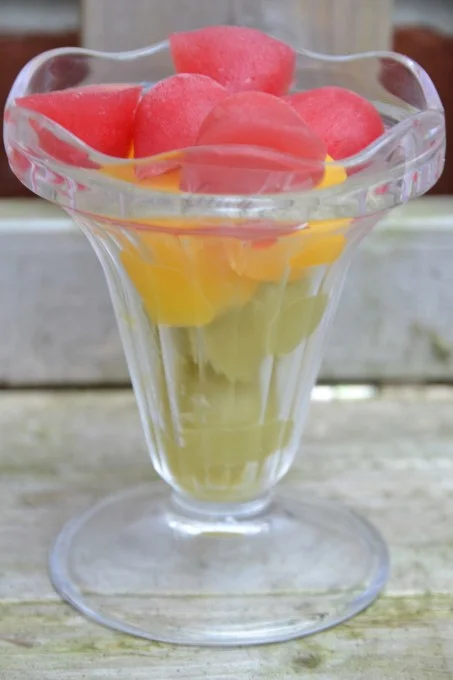
The latest bout of warm weather in the UK offered a perfect reason to whip up some homemade slushy drinks. These icy treats are not only refreshing but also surprisingly simple to create, using fruity liquids that can range from smoothies to flavored juices.
Getting Started: The Basics of Slushy Making
The allure of slushies goes beyond their refreshing taste; they encapsulate a fun, hands-on approach to culinary creativity. To craft a slushy, begin with a liquid base—something you truly enjoy. This could be your favorite fruit juice or a smooth smoothie. The process involves partially freezing this liquid, transforming it into a delightful icy concoction that can revitalizing anyone on a warm day.
Ingredients Required
- Two plastic sandwich bags (ensure they seal properly)
- Smoothie or fruit juice
- Ice
- Salt
- Kitchen towel
Step-by-Step Instructions
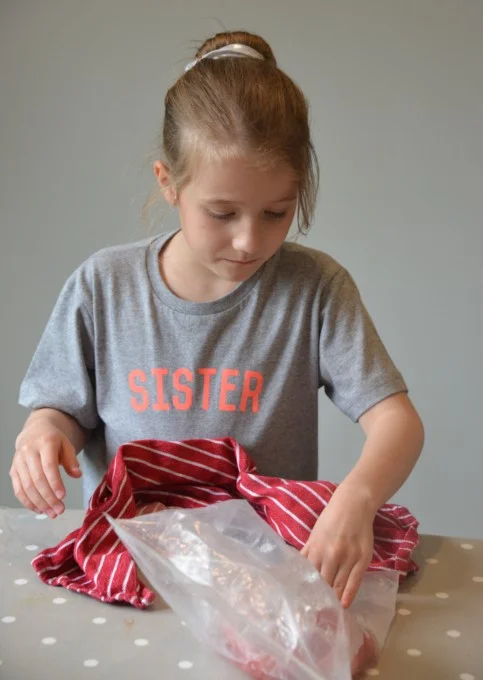
Now, onto the fun part: creating your refreshing slushy drink. Start by pouring your chosen smoothie or juice into one of the plastic sandwich bags and seal it tightly. Ensure there's no air left inside, as this will help with the freezing process. In the second bag, add an ample amount of ice along with some salt. Next, place the sealed smoothie bag inside the ice-filled bag, allowing it to be surrounded by the chilling material.
Now comes the engaging action: roll the outer bag around for several minutes. This is where you see the magic happen. If it becomes too cold to handle, wrap the bag in a kitchen towel while keeping the motion going. This process not only chills the liquid but sets the stage for transformation. Shortly, you'll witness your liquid morph into a tasty slush! Just a heads up—be cautious that your inner smoothie bag doesn't break; if it does, the salt will ruin your slushy experience!
The Science Behind Salt and Ice
Why does this mixture work? When you combine salt with ice, it creates a process known as freezing point depression. This means the ice melts at a lower temperature, absorbing heat from its surroundings—in this case, your smoothie mixture—which leads to the freezing effect. Salt disrupts the ice's molecular structure, making it necessary for it to absorb more heat to melt. The more salt you add, the lower the freezing point, though it won't plummet indefinitely.
This scientific principle can actually help you grasp essential concepts like temperature regulation and the properties of states of matter. Understanding this provides an extra layer to the slushy-making experience, showing that there's much more happening in those bags than meets the eye.
Exploring Slushies with Ice Cubes
If you're more inclined to use ice cubes instead of crushing fresh ice, there's a creative educational element here, too: You can set up multiple glasses containing the same number of ice cubes to investigate which melts first based on their placement. Try arranging them by size or proximity to a light source and observe the results. It’s fascinating how small changes can yield different outcomes. Alternatively, you can test different juice colors by mixing various liquids and observing the results, exploring how color and texture influence your taste experience.
This experimentation not only adds fun but also serves as an intriguing way to introduce young ones to scientific concepts, such as changes in state and cooling processes. This is the kind of hands-on learning that stays with you—lessons disguised as play.
Handy Tips for Success
Before removing juice cubes from ice cube trays, let them sit for a moment. Initially, they may feel sticky, which is simply the moisture in your fingers freezing from the cold ice. This is more significant than it looks; it illustrates what happens when heat is drawn away from your fingers—a tangible lesson in thermodynamics.
Why Ice Takes Up More Space
Perhaps you’ve noted that frozen juice occupies more space in the tray than its liquid counterpart. This phenomenon occurs because the molecular structure of frozen water expands as it freezes, forming an organized lattice structure that occupies more volume than when it’s a liquid. If you're working in this space, knowing this can inform how you approach everything from cooking to content creation—it's all about understanding how materials change under different conditions.
Implications and Future Outlook
Exploring slushy-making through ice and salt can lead to other fun projects, like making ice cream or just cooling a drink down quickly. With a bit of creativity, the possibilities are endless. As our understanding of kitchen chemistry grows, so does our capacity to innovate in those spaces. Simple activities like this not only quench thirst but also ignite curiosity about science.
Ultimately, this blend of cooking and experimentation encourages a love for learning, sparking imaginative approaches in the kitchen. As more families embrace these DIY science projects, the potential for enhancing educational experiences continues to expand. This could lead to greater interest in STEM fields among young learners, simply by engaging them through enjoyable activities that stick with them—because who hasn’t loved a refreshing slushy?

If you're interested in expanding your culinary creations, check out more engaging science experiments involving food. The integration of these simple yet impactful activities can make the kitchen a vibrant laboratory, fostering both fun and cognitive growth.
Discussion
Sign in to join the discussion.