Dive into the delicious world of treacle toffee, where melting sugar meets hands-on science for a fun culinary adventure.
Treacle toffee transcends being just a sweet treat; it embodies nostalgia linked to cozy bonfire nights, evoking memories of crackling flames and the comforting aroma of melting sugar. Beyond its delightful taste, this treat serves as a fascinating introduction to culinary chemistry, particularly illustrating how sugar transforms from solid to liquid and back to a solid state, all while engaging those who attempt to make it. The interplay of heat and sugar invites not just a sensory experience but also an educational journey into the science behind confectionery.
Ingredients for Treacle Toffee
Gathering the right ingredients is the first step in mastering this confection. To make treacle toffee, you'll need the following:
- 500g brown sugar
- 150ml water
- 1/4 tsp cream of tartar
- 75g butter
- 100g black treacle
- 100g golden syrup
Each ingredient plays a significant role. The brown sugar forms the foundation, providing sweetness and depth of flavor, while the golden syrup and black treacle add unique nuances. The cream of tartar acts as a stabilizer, preventing the sugar from crystallizing too quickly. Understanding this composition enriches the cook's appreciation of the process.
Steps to Make Treacle Toffee
- Start by placing the brown sugar and water in a saucepan. Heat gently while stirring until the sugar fully dissolves. This initial phase is key; if sugar isn't dissolved properly, it can lead to gritty toffee.
- Once combined, add the remaining ingredients and maintain a gentle heat for approximately 10 minutes. The target temperature is 143°C, known as the soft crack stage. If you’re not using a thermometer, drop a bit of the mixture into cold water; it’s ready when it forms soft threads that aren't brittle. Timing is critical here, as heat levels greatly affect the final texture.
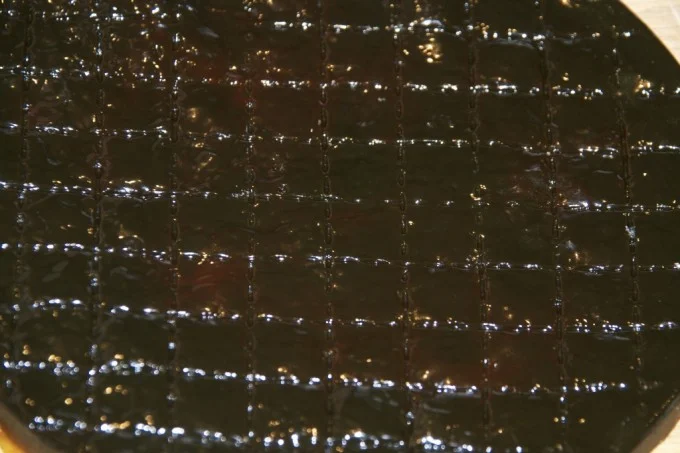
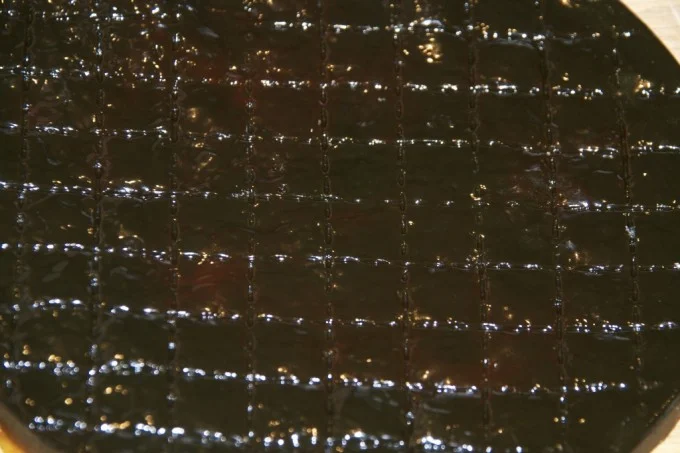
- Pour the mixture into a greased tin and let it cool. You can score it with a knife before it completely sets, or break it apart with a hammer once hardened. The anticipation builds as the toffee cools, promising a delicious texture upon being bitten into.
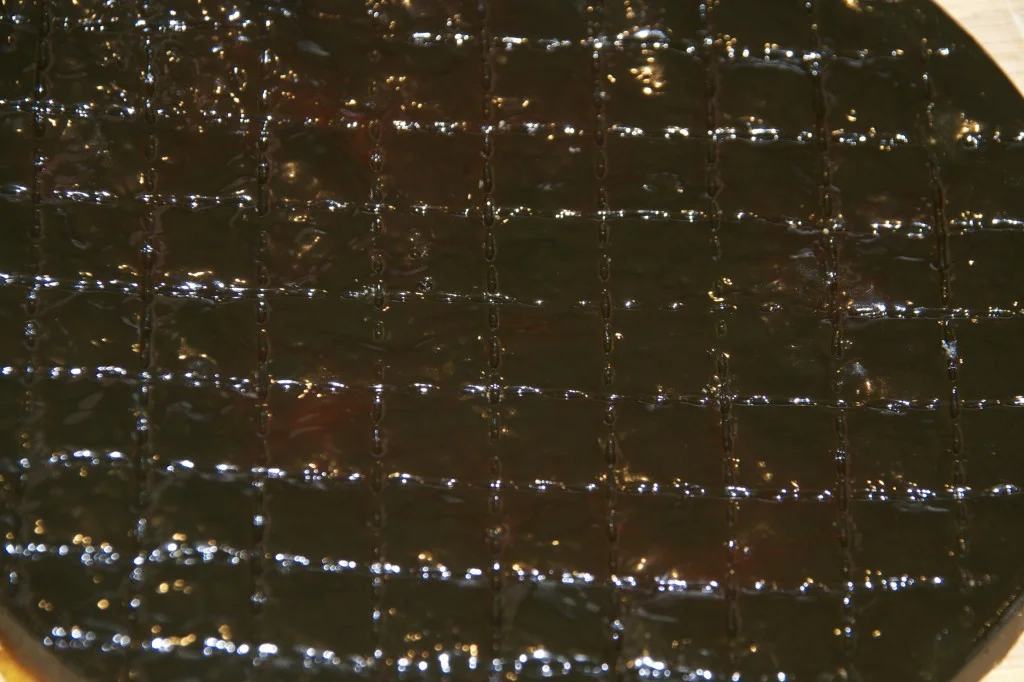
As we crafted the toffee, I engaged my kids in a discussion about the solid sugar and how to melt it. My curious four-year-old suggested sunlight, but we opted for the stove instead, which proved far more effective. The scent of toffee filled the kitchen as we observed the bubbling of the sugar mixture heating. This experience highlights the beauty of cooking as a multi-sensory activity, where aromas and visuals engage young minds and tie them to scientific principles.
Understanding the Science Behind the Confection
This treacle toffee experiment illustrates the captivating science of state changes in matter. Everything we encounter exists in one of three states: solid, liquid, or gas. Understanding the transitions between these states can enhance learning experiences:
- SOLID → LIQUID: This occurs through melting, evident as sugar warms.
- LIQUID → GAS: This involves evaporation or boiling. Though not a focus here, it plays a role in many cooking scenarios.
- GAS → LIQUID: This is known as condensing, a principle seen in various culinary techniques.
- LIQUID → SOLID: This process is referred to as cooling or freezing, wrapping up the journey from a hot to a cold state.
As sugar heats, it transforms from a solid structure to a liquid state, demonstrating melting. Upon cooling, the mixture reverts back to a solid form, showcasing cooling. The final texture of your toffee can vary significantly based on temperature; during the soft crack stage, minimal moisture remains, resulting in a chewy texture. For those preferring firmer candies, reaching the hard crack stage becomes essential. This precision in temperature is where culinary skill meets science, a point that often gets lost in casual cooking.
More Kitchen Science Activities
If you're eager to extend your culinary chemistry journey, consider experimenting with the science of meringue or take on a challenge with a science bake-off. Exploring other engaging kitchen science activities allows for continued learning and fun. These hands-on activities can ignite a passion for science in children, blending education with creativity.
Be cautious: the sugar mixture can get extremely hot, so always enlist an adult's help. This safety note is crucial; burns can occur quickly when working with molten sugar, making adult supervision a must, especially for younger cooks.
Implications and Takeaways
The simple act of making treacle toffee has broader implications. It reinforces valuable lessons about chemistry, measurement, and patience, quite unlike many contemporary fast-food experiences. As technology continues to influence cooking, the value of traditional methods, like candy-making, deserves recognition. If you're working in this space, consider how such experiences not only teach skills but can also create lasting memories. Cooking together fosters relationships, especially in a family setting, where conversation flows and laughter can be heard amidst the chaos of stirring and pouring.
The post Treacle Toffee appeared first on Science Experiments for Kids.
Discussion
Sign in to join the discussion.